The Warner Bros.-Paramount merger was supposed to be a done deal. The Trump administration championed it. Federal antitrust enforcers stood aside. The $8 billion transaction — which would hand the Ellison family control of two of the three largest legacy media companies in the United States — was moving through Washington with the kind of frictionless momentum that money and political access tend to produce. Then twelve state attorneys general filed suit to stop it.
The legal challenge, reported by The Lever, marks a significant escalation in the fight over who controls American media — and who decides when the rules apply. The states are invoking antitrust law to argue what the Department of Justice declined to: that combining Warner Bros. Discovery and Paramount Global creates a concentration of media power that harms consumers, workers, and competition. The DOJ, under the current administration, waved the deal through. The states are now doing the job federal regulators chose not to do.
This is not a coincidence. It is a pattern. As Tinsel News has documented in its coverage of DOJ antitrust rollbacks, merger investigations are increasingly being killed from the inside — overruled by political appointees who answer to an administration with its own media preferences. The Warner Bros.-Paramount deal is the most visible example yet of that dynamic playing out in public.
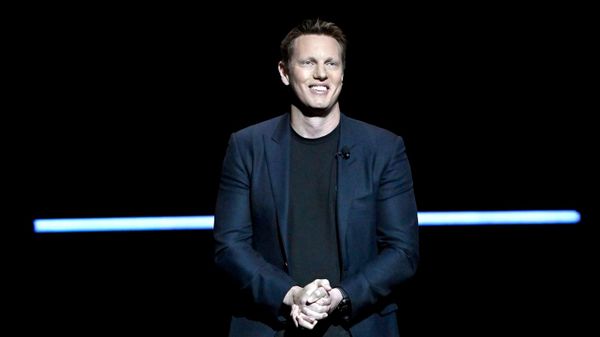
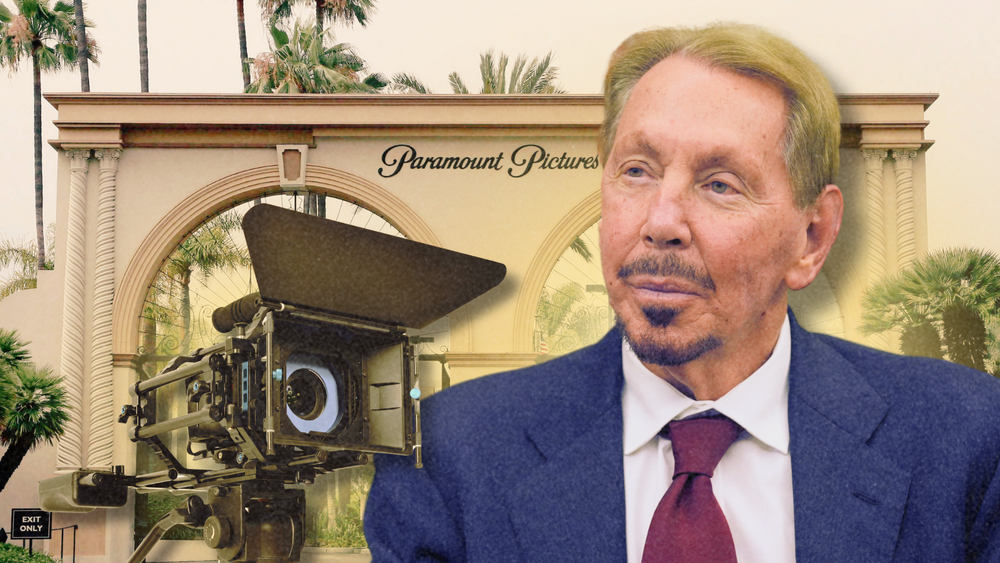
The merger's beneficiary is David Ellison, son of Oracle billionaire Larry Ellison, whose Skydance Media is the vehicle for the transaction. The Ellison family's political giving and business relationships with the current administration are not incidental context — they are the story. A deal that consolidates control of CNN, HBO, CBS, Paramount Pictures, MTV, and dozens of other properties under a single billionaire family received federal blessing at a moment when the administration has made clear it views media ownership as a lever of political power. The FCC, meanwhile, is simultaneously pursuing the repeal of broadcast ownership caps that Congress already rejected — a parallel effort to concentrate reach in fewer, friendlier hands.
A combined Warner Bros. Discovery and Paramount Global would control CNN, HBO, Max, CBS, Paramount Pictures, MTV, Comedy Central, Nickelodeon, BET, and the Paramount+ and Max streaming platforms. The merged entity would be one of the two or three largest media conglomerates in the world, with David Ellison's Skydance Media at the helm.
What the state AGs are arguing, in essence, is that the federal government's job — protecting competition — has been abandoned, and that states must fill the void. This is the same logic that drove state-level antitrust action against Google, Meta, and Amazon when federal enforcers hesitated. It is also an acknowledgment of a structural reality: when the administration in power has a stake in the outcome of a merger, the independence of federal antitrust enforcement collapses. The states become the last institutional check.
The human cost of media consolidation is not abstract. Every merger of this scale produces the same outcomes: newsroom layoffs, reduced local coverage, homogenized programming, and higher prices for consumers locked into streaming bundles. Paramount has already shed thousands of employees since 2022. Warner Bros. Discovery has gutted its news division. A combined entity facing the debt load a merger of this size generates will cut further — and the cuts will fall on journalists, crew members, and the communities whose local news they cover, not on the executives who structured the deal.
The twelve attorneys general suing to block the merger are doing something the DOJ under this administration will not: applying the law neutrally, without regard to whether the beneficiary is politically connected. That matters not as a celebration of state power, but as a measure of how far federal antitrust enforcement has drifted from its statutory purpose. When states must step in to enforce federal competition law against a deal the federal government blessed, the system is not malfunctioning — it has been redirected.
The litigation will take months, possibly years. Courts may ultimately side with the states or with the merged company. But the suit itself has already accomplished something: it has forced into the public record the question that the DOJ's approval tried to foreclose. It put on the record who benefits when two of America's largest media companies merge, who decided the public interest was satisfied, and what that decision cost the people who were never in the room.