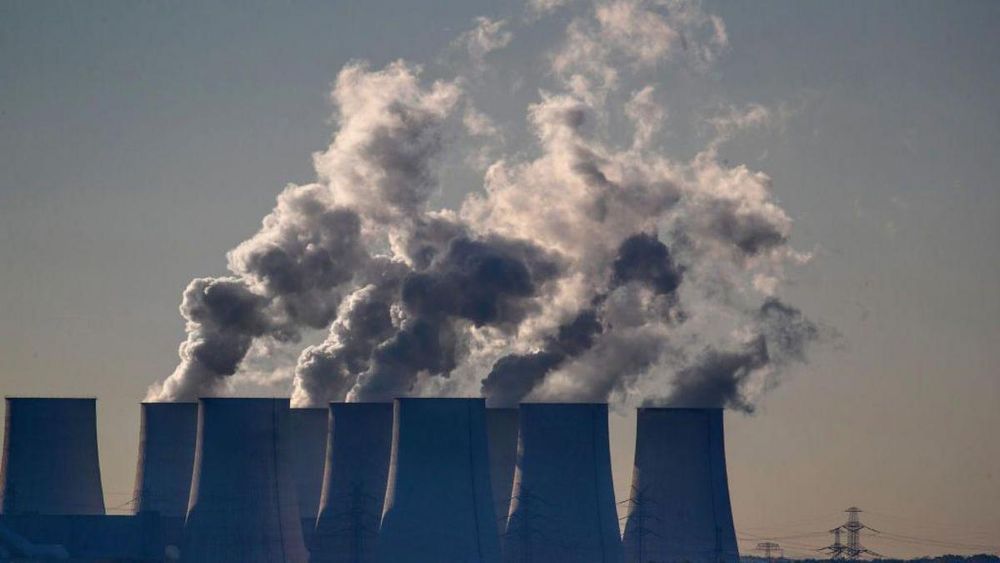
The EU's emissions trading system was built on a simple premise: make pollution expensive enough that companies stop doing it. Cap the total amount of carbon industry can emit. Sell permits to emit it. Shrink the cap every year. Eventually, the math forces a transition. It was the centerpiece of European climate policy — the mechanism that was supposed to make the continent's 2050 net-zero commitment something other than a calendar entry.
According to BBC News, the European Commission now proposes to relax that system — giving companies more time to reduce their carbon output. The official framing is competitiveness. The actual mechanism is delay. And the pattern behind it is not new.
This is how climate policy dies in wealthy democracies: not in a single vote, not with an outright repeal, but through a sequence of adjustments, extensions, and flexibility provisions, each individually defensible, each collectively fatal. The EU's proposed ETS relaxation is the latest iteration of a process that has been running, with remarkable consistency, since the first major carbon markets came online in the early 2000s. Industry lobbies for more time. Governments grant it. The science moves in one direction; the policy timeline moves in the other.
The EU ETS, launched in 2005, is the world's largest carbon market. It covers roughly 40% of EU greenhouse gas emissions from power plants, heavy industry, and aviation. Companies must hold permits for every tonne of CO₂ they emit. The total number of permits — the cap — decreases each year, theoretically forcing emissions down over time. The system's effectiveness depends entirely on the cap being tight enough that permits are expensive enough to change corporate behavior.
The competitiveness argument deserves to be taken seriously before it is dismantled. European heavy industry does face real cost pressures. Steel, cement, and chemical manufacturers operating under the ETS compete against producers in countries without equivalent carbon pricing. The concern that emissions simply relocate — that European steelmakers lose market share to Chinese or American producers while global emissions stay flat — is a legitimate problem in climate economics, known as carbon leakage. It is not a fabricated industry talking point.
But the competitiveness argument has a track record, and that track record is worth examining. The same argument was made when the ETS launched in 2005, and the response was a massive over-allocation of free permits that caused the carbon price to collapse to near-zero by 2007. The same argument was made during the 2008 financial crisis, and the response was another wave of free allocations and frozen caps that kept the carbon price too low to drive investment for most of the following decade. The same argument was made when the COVID-19 recession hit in 2020. Each time, the logic was the same: the timing is wrong, the economy is fragile, companies need more runway. Each time, the runway extended — and the emissions trajectory did not change fast enough to match the science.
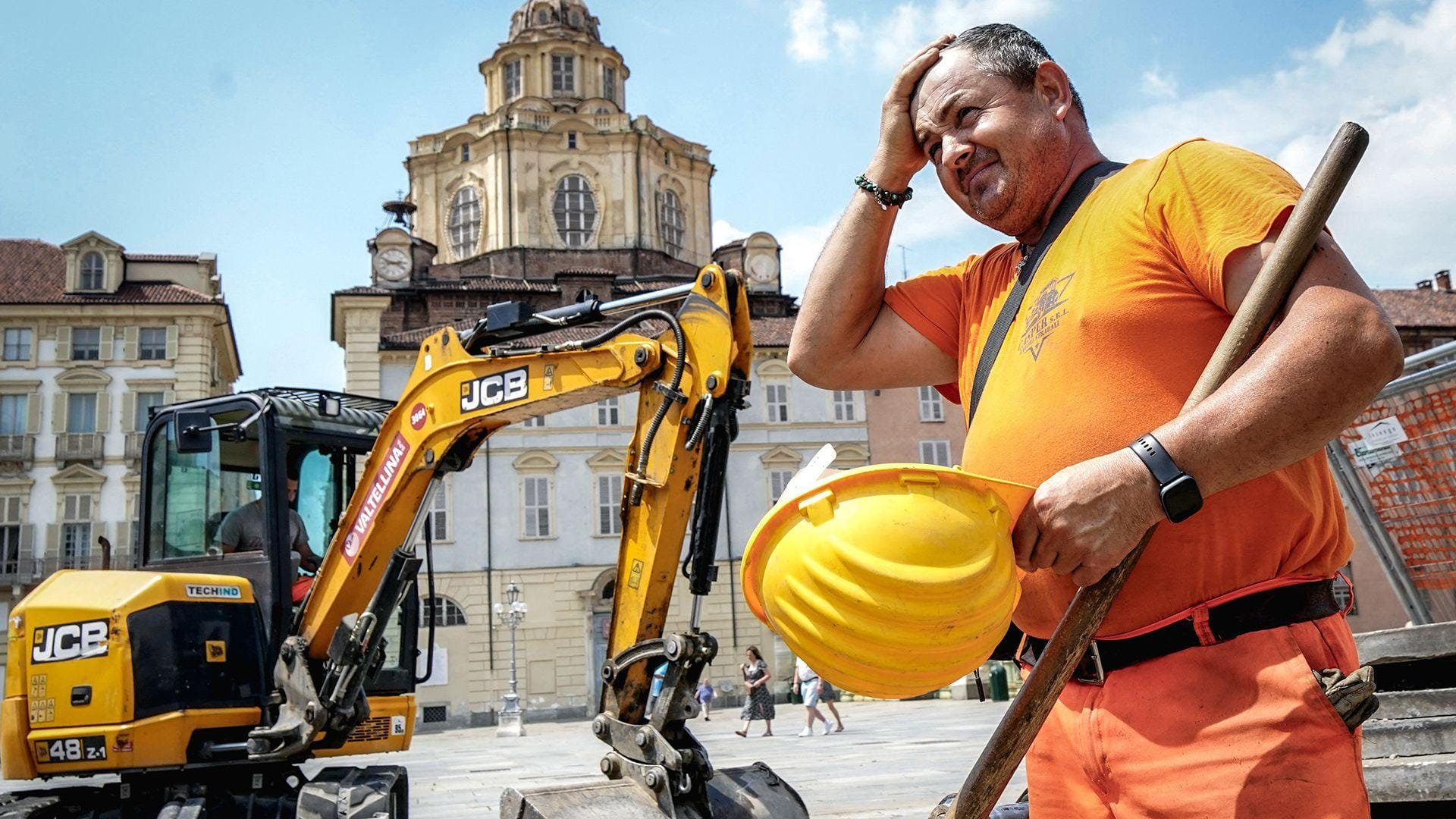
The political economy here follows a predictable structure. Heavy industry maintains well-resourced lobbying operations in Brussels. The European Round Table for Industry, BusinessEurope, and sector-specific trade associations have spent years building relationships with Commission officials and member-state governments. Their argument is always framed in terms of jobs and economic security — the workers who will lose livelihoods if the transition moves too fast. That framing is effective because it is partially true: rapid industrial transitions do displace workers. But it systematically obscures the other side of the ledger: the workers in frontline communities who bear the health costs of continued pollution, the agricultural workers whose livelihoods are already being destroyed by climate disruption, the populations in the Global South who are paying the highest price for emissions that European industry is still being given time to reduce.
There is a broader pattern of regulatory retreat on climate that the EU's proposed ETS relaxation fits into. The U.S. Securities and Exchange Commission recently rescinded its climate disclosure rule, leaving investors without the information they need to assess which companies are genuinely transitioning and which are managing their public image. The logic was similar: the requirements were too burdensome, the timing was wrong, the market needed flexibility. In both cases, the beneficiaries are the same — incumbents with the most to lose from a genuine transition, and the most resources to spend ensuring it happens slowly.
What makes the EU's move particularly significant is the signal it sends beyond Europe's borders. The ETS has been held up for two decades as proof that carbon markets can work — that it is possible to put a meaningful price on pollution without destroying industrial competitiveness. Other countries and regional governments have built their own carbon pricing systems partly on the EU model. If the EU's response to competitive pressure is to soften the mechanism whenever it starts to bite, that undermines the case for carbon markets everywhere. It tells every government considering a serious carbon price that the political durability of such systems is limited — that industry will always find a moment of economic fragility to demand relief, and that the relief will always come.
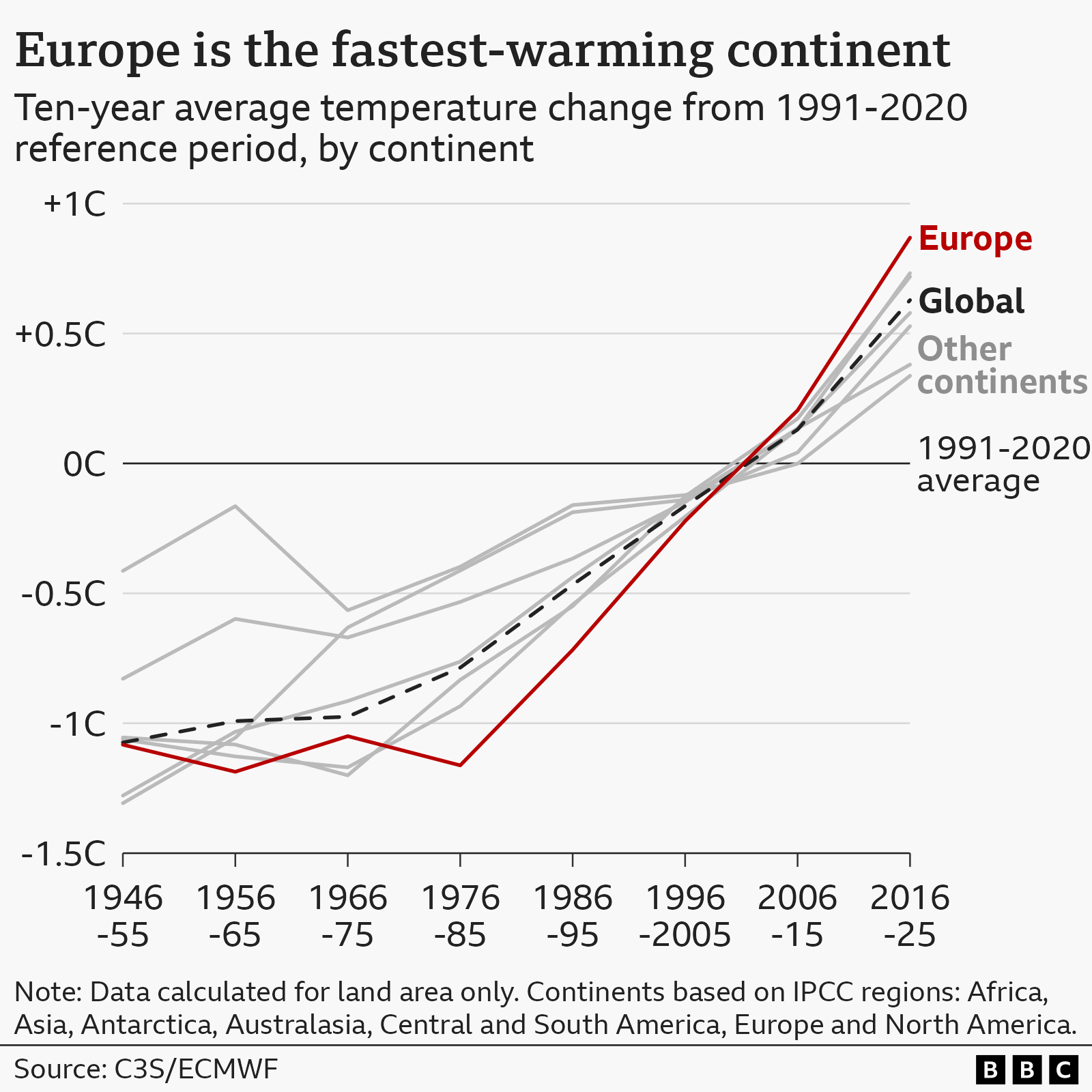
The climate science does not offer corresponding flexibility. The Intergovernmental Panel on Climate Change's most recent assessment reports are explicit: the window for limiting warming to 1.5°C requires emissions reductions at a pace and scale that the EU's proposed timeline adjustment moves further out of reach. Carbon already in the atmosphere does not wait for industrial restructuring plans. The physical system operates on its own schedule, indifferent to competitive pressures and electoral cycles.
Consider who is not in the room when these decisions are made. Frontline communities — those living near industrial facilities whose health outcomes are directly shaped by how long the transition takes — do not have lobbying budgets in Brussels. Pacific island nations, whose existence is bound to sea-level rise trajectories shaped partly by European industrial emissions, are not parties to EU regulatory negotiations. Agricultural communities in sub-Saharan Africa, whose growing seasons are being disrupted by a warming pattern that European emissions have helped produce, have no formal standing in the Commission's competitiveness calculus. The EU's proposed relaxation is a decision made by those who bear the least cost of delay, on behalf of industries that benefit most from it, at the expense of populations who had no voice in the outcome.
As Tinsel News has documented, corporate climate pledges consistently outpace corporate climate action — and the gap between the two is widening. The EU's ETS was supposed to be the mechanism that closed that gap by force, by making it economically irrational to keep polluting. Softening the mechanism when it starts to exert that force is not a technical adjustment. It is a choice about whose interests the system is designed to serve.
The EU will almost certainly frame this proposal as a pragmatic bridge — a way to maintain the system's political viability by giving industry enough room to adapt without defecting from it entirely. That argument has some merit. A carbon market that collapses under industry opposition helps no one. But there is a point at which maintaining the system's political viability requires gutting its environmental function, and Europe has been approaching that point for years. The question is not whether the ETS survives. The question is whether what survives is still capable of doing what the climate requires — or whether it has become, through two decades of well-organized extensions, something closer to a permanent license to delay.