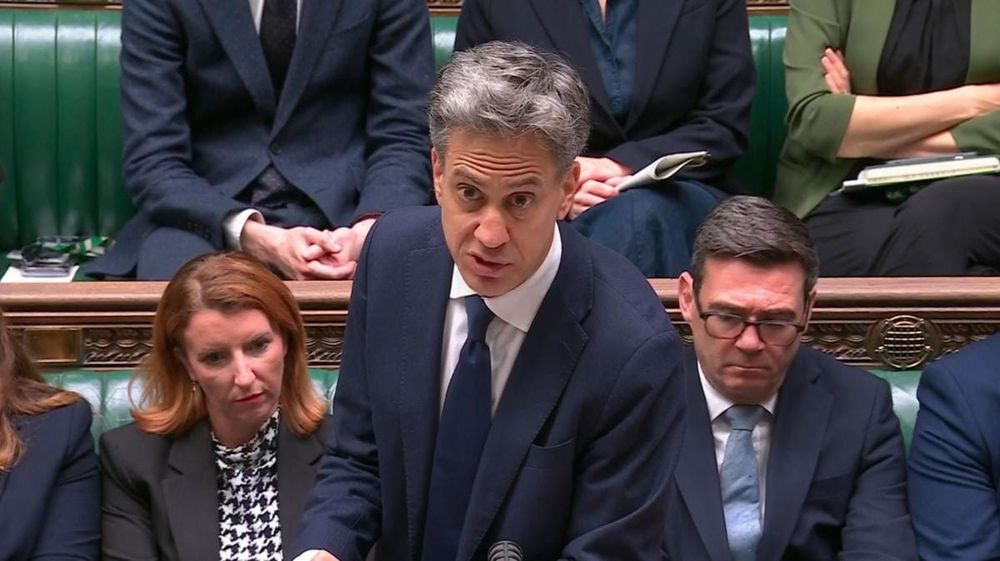
Britain's Foreign Secretary David Lammy used a word this week that no senior Western official has attached to Israeli settler activity in the occupied West Bank with legal consequence attached: ethnic cleansing. He did not use it as a rhetorical flourish. He used it as the basis for sanctions, announcing a package of measures targeting West Bank settlers and settlement-linked entities that BBC News reported prompted Israel to immediately shut the UK consulate in East Jerusalem in retaliation.
The Israeli government's response was swift and disproportionate — which is itself a kind of confirmation. When a government shuts a diplomatic mission over the word a foreign minister used to describe documented violence against civilians, it is not contesting the description so much as refusing to tolerate the act of naming it. The UK did not just sanction individuals. It named what is happening. That is the thing that could not be allowed to stand.
The sanctions represent something more than a bilateral diplomatic dispute. They are the first time a major Western government has moved from condemnation to enforcement on Israeli settlement activity in the occupied territories in at least three decades — since the Oslo process created the architecture of negotiation that has since been used primarily to defer accountability while settlement construction accelerated. Policy experts have noted that the EU, despite decades of labeling settlement goods and issuing resolutions, has never imposed individual sanctions on settlers for violence against Palestinians. The UK has now done what the EU has not, and what Washington has made structurally impossible.
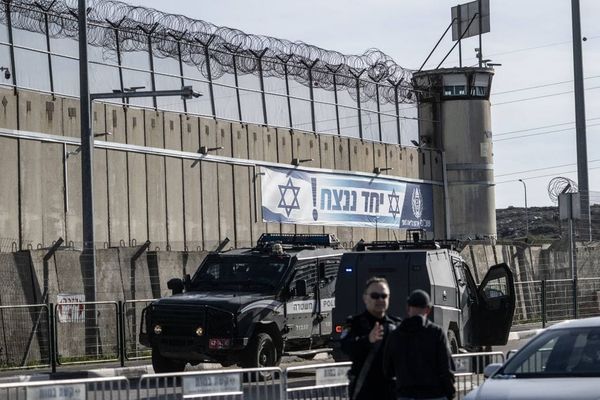
The British sanctions package targets West Bank settlers and settlement-linked entities the UK government holds responsible for violence against Palestinian communities and what Foreign Secretary David Lammy described as the ethnic cleansing of Palestinians. Israel responded by shutting the UK consulate in East Jerusalem — the diplomatic post through which Britain conducts relations with Palestinians in the occupied territories.
The U.S. position on settler violence has followed a different arc. The Biden administration imposed limited sanctions on a small number of individual settlers in 2024 — a move treated as significant precisely because it was so rare — but stopped well short of any systemic enforcement mechanism. The Trump administration, which returned to office in January 2025, has moved in the opposite direction: defunding UNRWA, the main UN agency serving Palestinians, and sanctioning ICC officials investigating potential war crimes in Gaza. The architecture of American policy is not neutral on settlement expansion. It is structurally supportive of it.
This is the gap the UK sanctions make visible. Britain and the United States share intelligence, military infrastructure, and a diplomatic vocabulary built over eighty years of alliance. They do not, at this moment, share a position on what is happening to Palestinians in the West Bank. Lammy's use of the phrase "ethnic cleansing" is not a departure from the evidence — Israel's own retired generals have used the same language to describe settler-driven displacement. It is a departure from the diplomatic convention that has allowed Western governments to treat that evidence as perpetually preliminary, always requiring more documentation before action becomes possible.

Israel's response cuts in two directions at once. Closing the UK consulate in East Jerusalem punishes Britain for taking action, but it also punishes Palestinians, who lose a diplomatic channel through which they engage with a government that has just signaled it takes their situation seriously. The consulate closure is a form of collective punishment directed not primarily at London but at the population London was trying to reach. That sequence deserves to be stated plainly.
British settlement policy has always had a commercial dimension. The UK has for years labeled goods produced in Israeli settlements, distinguishing them from goods produced within Israel's pre-1967 borders. That labeling regime has existed alongside continued trade relationships and diplomatic normality.
Sanctions are categorically different: they impose costs on specific actors for specific conduct. They create a legal record. They make the gap between stated values and actual behavior harder to maintain indefinitely. Whether they mark the beginning of a new enforcement posture or remain an isolated gesture that Israel's diplomatic pressure eventually reverses is not yet settled.
The pattern is one of Western policy consistently absorbing documented evidence of Palestinian displacement without converting that evidence into enforcement. The Oslo framework gave this pattern institutional form: by treating settlement expansion as a final status issue to be negotiated, it effectively removed it from the category of things that could be sanctioned in the present tense. Thirty years of that framework have produced a West Bank where the settlement population has grown from roughly 250,000 to over 700,000, according to UN figures — a fact that exists alongside decades of Western statements describing settlements as obstacles to peace.

What the UK action breaks is not the settlement enterprise itself. British sanctions cannot do that. What it breaks is the diplomatic convention that enforcement is always premature. Lammy's language — ethnic cleansing — is the language of a legal and moral category that triggers specific obligations under international law. Using it while imposing sanctions is not merely rhetorical. It is a claim that the threshold for action has been crossed, and that the crossing was not recent.
For American readers, the relevant question is not whether Britain's action will change conditions on the ground in the West Bank in the near term. It probably will not. The relevant question is what it means that the United States' closest ally has now formally characterized Israeli settler conduct in language that American policy refuses to use, and backed that characterization with legal enforcement measures that American policy has actively undermined. Washington sanctioned the ICC officials investigating those same conditions. Britain sanctioned the settlers producing them.
Israel's decision to close the UK consulate in East Jerusalem is a message about the cost of naming things accurately. It is also, inadvertently, a demonstration of what is at stake when a Western government decides the cost of not naming them has become higher. The Palestinians who will now lose access to a British diplomatic presence in East Jerusalem did not create that dilemma. They are living inside it.
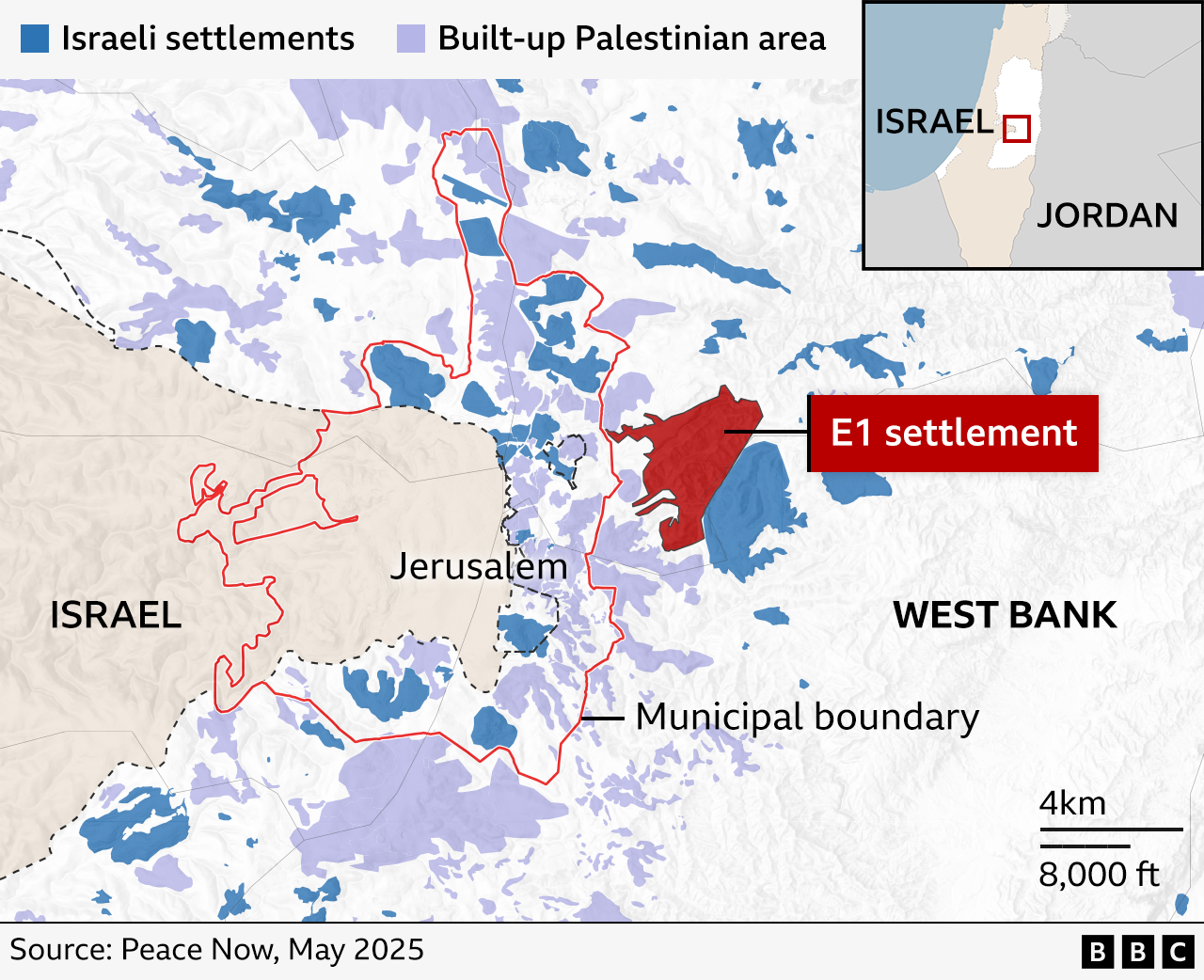
The UK sanctions will face pressure. Israel holds real advantages — trade relationships, intelligence cooperation, the threat of further diplomatic escalation. Whether Britain holds the line or finds reasons to quietly soften enforcement over the following months will determine whether this week marks a genuine shift in Western policy toward accountability, or another entry in the long record of gestures that the settlement enterprise has always outlasted. The construction has never stopped waiting for the condemnations to catch up. Enforcement has never once moved faster than the bulldozers.