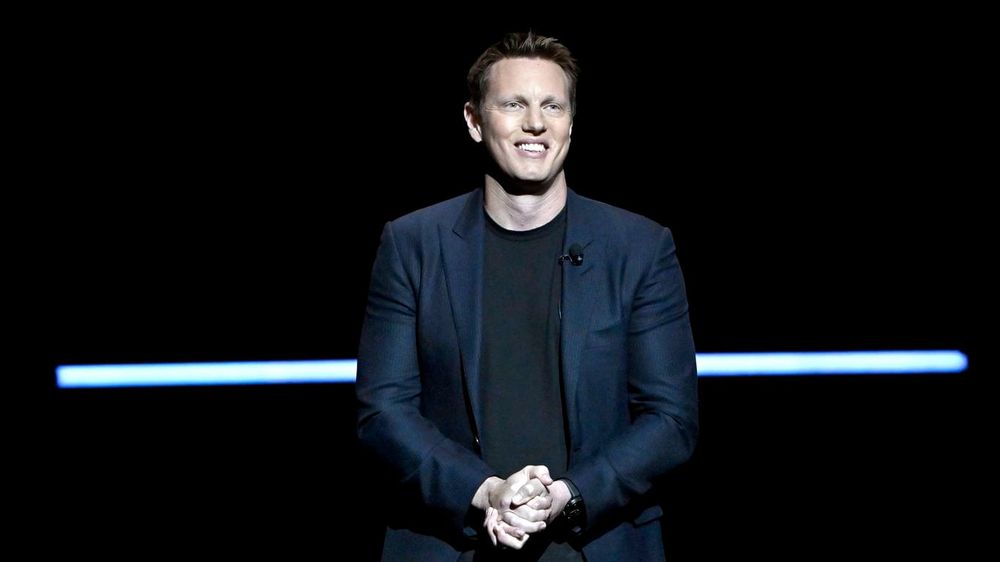
David Ellison is now one of the most powerful people in American culture. He controls Paramount Pictures, Warner Bros. Pictures, Skydance, CNN, CBS, HBO Max, Paramount+, MTV, Comedy Central, TBS, TNT, Food Network, and Discovery — all under a single corporate roof. His father, Oracle co-founder Larry Ellison, a prominent Trump ally, helped backstop billions in financing to make it happen. The Federal Communications Commission, led by Trump ally Brendan Carr, waived its own foreign ownership limits to let Middle Eastern sovereign wealth funds pour equity into the deal. And every government that reviewed the transaction, according to Axios, ultimately approved it.
The question is not whether this merger was legal. Every regulator said it was. The question is what it means when a single family — one with deep financial ties to a sitting president — gains simultaneous editorial influence over a major broadcast news network, the country's most prestigious cable news channel, and a global entertainment apparatus reaching hundreds of millions of people. That question was never seriously asked in the regulatory process. It was settled by the same political apparatus that benefits from the answer.
The deal's political texture was visible from the beginning. Larry Ellison's financial backstop was not a passive investment — it was a structural requirement. Without it, the transaction could not close. The FCC's decision to grant Paramount a waiver exceeding foreign ownership caps for broadcasters was not a routine administrative act. Broadcast ownership rules exist specifically to prevent concentrated control of the public airwaves by entities with undisclosed or foreign interests. Carr's FCC waived those rules anyway. The combined result: a media company that controls two major news operations was assembled with sovereign wealth capital and a billionaire's equity guarantee, cleared by regulators appointed by the same political figure those news operations will cover.
Twelve Democratic state attorneys general saw enough to sue. Their stated case rested on traditional antitrust grounds — film distribution dominance, cable concentration — and a settlement was eventually reached. But Axios reported that at least one participating AG admitted the real goal was forcing a divestiture of CBS and CNN. That admission matters. It means the legal challenge was partly a political one, dressed in antitrust language because the regulatory architecture offered no other tool. There is no law that says a president's financial ally cannot own the network that covers the president. The state AGs were trying to build one out of existing statutes, and they failed.
Federal Communications Commission rules limit foreign ownership of U.S. broadcast licenses to 25 percent. The rules exist to protect the independence of public airwaves from foreign government influence. In clearing the Skydance deal, FCC Chair Brendan Carr granted Paramount's request to exceed those limits to accommodate equity investments from Middle Eastern sovereign wealth funds. Sovereign wealth funds are state-controlled investment vehicles — meaning foreign governments now hold equity stakes in the company that owns CBS News.
The merger's defenders argue that consolidation was the only viable path for legacy media companies competing with Netflix, Amazon, and Apple. That argument is not wrong on its face. Netflix did engage in a bidding process for Warner Bros. Discovery before walking away when the price climbed too high. The streaming era has genuinely restructured the economics of film and television. But the necessity of consolidation to survive does not resolve the separate question of who consolidation empowers. Media companies merge to gain scale. Scale is power over pricing, distribution, and labor. The workers who make the content — the writers, directors, crew members, and journalists whose output is the actual product — gain nothing from that power. They bear its costs.
The creative industry, Axios noted, remains on edge. That is a diplomatic way of describing what happens after every major media consolidation: layoffs, restructuring, the elimination of redundant departments, budget cuts applied to the people least able to absorb them. Skydance committed to theatrical film release minimums and domestic production job investments as part of its regulatory settlement. Those commitments are real. They are also limited in scope and duration, and they say nothing about the journalists at CNN or CBS whose editorial independence now depends on the goodwill of a family that owes its deal-closing capacity to a presidential ally who waived the rules on their behalf.
This is the pattern that media consolidation follows in every industry, and the structure deserves a precise name. Tinsel News has covered how merger investigations are being killed from the inside across sectors, and the Skydance deal fits the same structure: political appointees clear transactions that independent review might have slowed or restructured; commitments extracted in settlement are narrow and time-limited; and the workers and consumers who absorb the consequences of concentrated power are represented only by the inadequacy of the regulatory process that was supposed to protect them.
The FCC's role deserves sustained scrutiny. Brendan Carr's commission has already demonstrated its willingness to use broadcast license authority as a political instrument — Tinsel News has reported on the FCC's threat to pull NBC's license over a political dispute and on former FCC officials warning that ABC's license review was a warning to every broadcaster. The same commission that has used license authority to intimidate news organizations it dislikes used waiver authority to accommodate a transaction that put two major news networks under the control of a family aligned with the White House. The direction of pressure is consistent. It runs toward concentration and against editorial independence.
The Skydance entity will merge HBO Max and Paramount+ into a single streamer. On the consumer side, that means one fewer subscription option, one fewer competitive bidding environment for creative talent, one fewer outlet making independent programming decisions about what stories get told and which ones do not. The cable consolidation — Viacom channels marrying WBD's cable networks — creates a distribution juggernaut with pricing power over the cable operators and streaming platforms that carry its content. That pricing power will eventually reach consumers. It always does.
The original thesis of the regulatory process — that antitrust law would constrain this deal — was not wrong. It was simply insufficient. Antitrust law looks at market share, at pricing effects, at horizontal and vertical integration. It does not have a tool for measuring what happens when the owner of a news network is financially entangled with the political figure that network covers. It does not have a mechanism for weighing the editorial independence of CBS News against the FCC chair's decision to waive foreign ownership limits for the company that now employs its journalists. Those are not antitrust questions. They are democracy questions, and no regulator asked them.
David Ellison may be an excellent steward of the assets he now controls. He may run CNN and CBS with full editorial independence and no interference. The problem is structural, not personal. The architecture of the deal — sovereign wealth equity, a presidential ally's financial backstop, a waiver from a politically aligned regulator — creates conditions under which editorial independence is a favor rather than a right. Favors can be withdrawn. Rights cannot. The creative workers and journalists inside Skydance's new empire are now working under the former arrangement, and the settlement commitments extracted by twelve state AGs do nothing to change that.