More than 200 people have been killed in Sudan in just over a week as drone warfare transforms one of the world's most devastating conflicts into an even deadlier technological battleground, Al Jazeera English reported, citing United Nations warnings. The escalation marks a significant shift in a war that has already killed tens of thousands and displaced more than 10 million people — while receiving a fraction of the international attention directed at conflicts involving Western strategic interests.
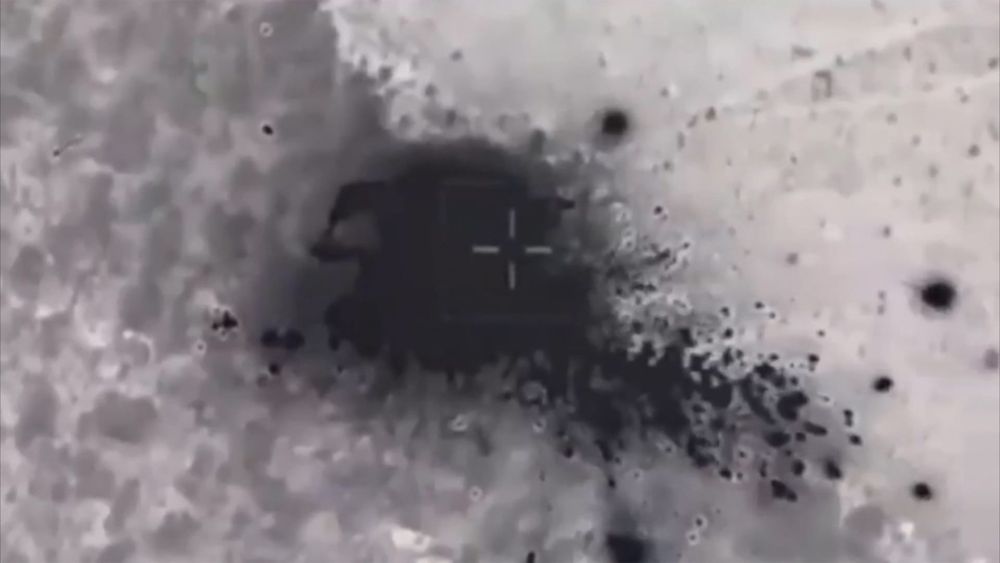
The UN's alarm comes as Sudan's civil war, which began in April 2023 between the Sudanese Armed Forces and the paramilitary Rapid Support Forces, enters a new phase of lethality. Drone strikes, according to the UN OHCHR report, are expanding the deadly front lines beyond traditional ground combat zones, making civilian areas increasingly vulnerable to aerial bombardment. The technology that has reshaped warfare from Gaza to Iran is now being deployed in a conflict that Western governments have largely treated as a regional African crisis rather than a humanitarian emergency demanding urgent intervention.
The death toll reported by the UN represents more than 200 lives lost in approximately eight days — an average of 25 people killed per day by drone strikes alone, not accounting for ground combat casualties. This is not an abstract statistic. These are farmers, shopkeepers, children, medical workers, and families who had already survived two years of civil war only to face a new threat from the sky. The introduction of drone warfare into Sudan's conflict eliminates the relative safety that distance from front lines once provided, turning entire cities into potential strike zones.
Sudan's war has produced what the UN has called one of the world's worst humanitarian crises. More than 10 million people have been displaced — the largest displacement crisis globally. Famine conditions exist in multiple regions. Hospitals have been systematically targeted and destroyed. Yet coverage of Sudan's suffering occupies a marginal space in Western media, overshadowed by conflicts where U.S. military or strategic interests are directly engaged. When American outlets dedicate resources to conflict coverage, they follow American foreign policy priorities, not the scale of human suffering.
The drone escalation also raises urgent questions about supply chains and international complicity. Drones do not manufacture themselves. Both the Sudanese Armed Forces and the Rapid Support Forces have received military support from external actors — the SAF backed by Egypt and aligned with Russia, the RSF historically supported by the United Arab Emirates and other Gulf states. The same global arms networks that supply Israeli bombing campaigns and fuel proxy wars across the Middle East are now feeding Sudan's technological arms race. Yet there is no international accountability mechanism tracking who is supplying the drones killing Sudanese civilians, and no diplomatic pressure campaign demanding those supply lines be cut.
The UN warning should function as a red line — a moment when the international community recognizes that a conflict has crossed into a new level of lethality requiring immediate diplomatic intervention. Instead, it will likely be filed alongside dozens of other UN warnings about Sudan that have produced no meaningful response. The African Union has proven unable to broker a lasting ceasefire. Western governments have issued statements of concern while providing no significant humanitarian funding or diplomatic leverage. The pattern is consistent: conflicts that do not directly threaten Western interests or involve Western military commitments receive rhetorical sympathy but no substantive action.

What makes the silence around Sudan's drone escalation particularly stark is the simultaneous global conversation about autonomous weapons and the ethics of drone warfare. When the United States debates the use of drones in its war with Iran, the conversation centers on American strategic interests and the safety of American personnel. When defense contractors sell AI-powered targeting systems, they market precision and reduced collateral damage. But in Sudan, drones are killing civilians at a rate of more than 200 per week, and the international community that claims to care about the ethics of autonomous warfare has nothing to say.
The people of Sudan are not abstractions in a geopolitical argument. They are living through a technologically escalating war while the world's attention is directed elsewhere. The UN has issued its warning. The death toll is documented and rising. The question is whether any government with the power to intervene — through sanctions on arms suppliers, through diplomatic pressure on the warring parties, through actual humanitarian funding rather than symbolic gestures — will treat Sudanese lives as worth the political cost of action. Based on two years of international indifference, the answer appears to be no.