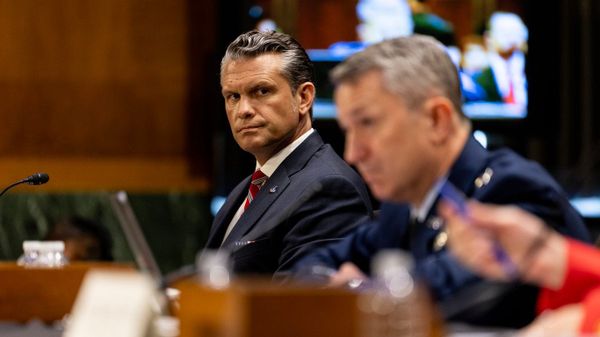
Washington and London are planning a high-level Hormuz conference, but no Gulf state has committed to joining — and the last U.S. attempt to build a maritime coalition around Iran collapsed when allies refused to sign on.
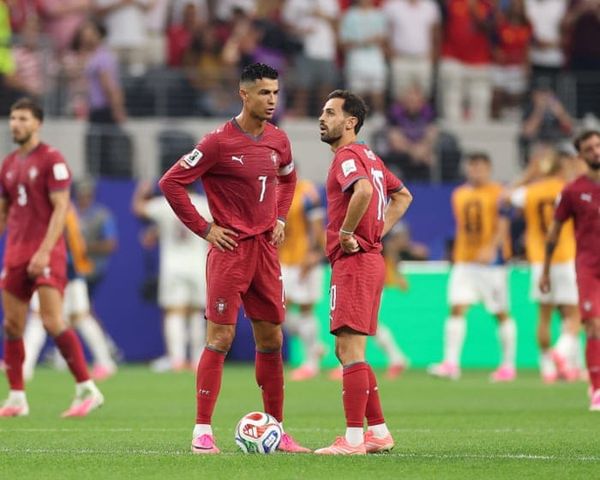
The same GlobalX aircraft that flew Portugal's national team to Dallas on July 4th ran ICE deportation flights the day before and after — including missions that sent Venezuelans to El Salvador's Cecot mega-prison in defiance of federal court orders. FIFA has not commented.
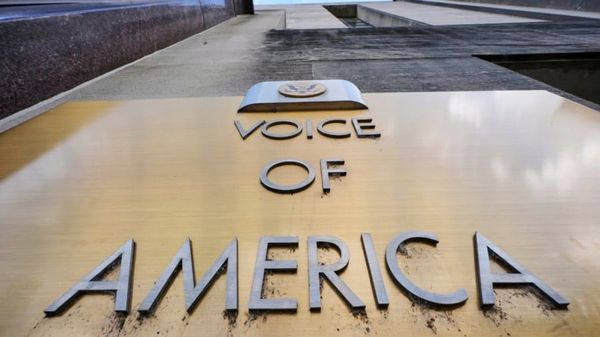
Ulviyya Alovsat worked for a U.S.-funded outlet in one of the world's most press-hostile states. She is now in prison — and Washington has not said her name.
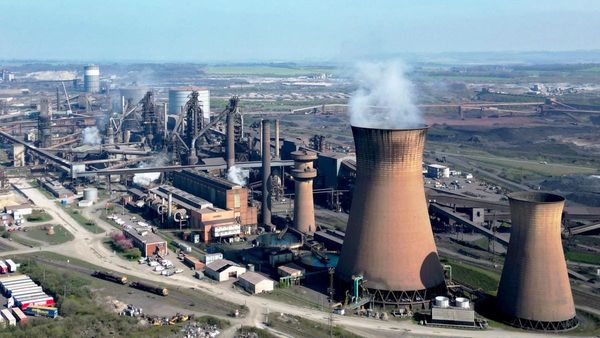
The UK's emergency nationalization of its last steel plant is a labor story, a national security story, and a preview of the economic conflict that will define the next decade — all at once.
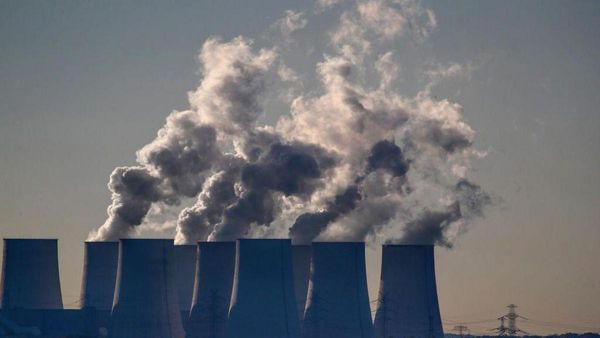
The EU's proposed relaxation of its emissions trading system follows a two-decade pattern: carbon markets are weakened precisely when they start to work. Corporate lobbying didn't kill European climate policy — it just keeps making it slower.
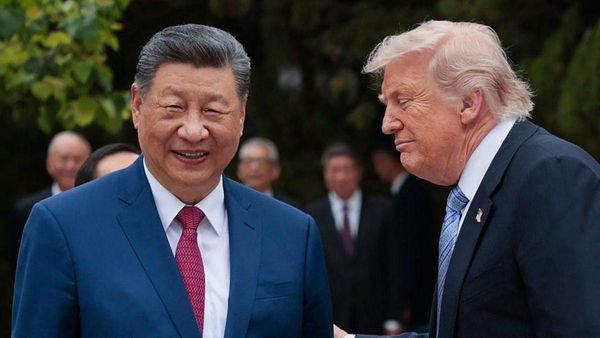
A new Pew Research Center survey finds more people worldwide now trust China over the United States. The story isn't the numbers — it's what produced them, and why a change in administration won't automatically reverse them.
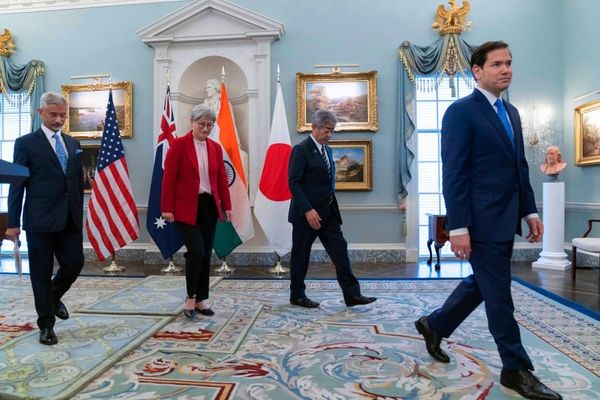
The Pentagon's retreat from its Indo-Pacific framework isn't a pivot forced by Beijing — it's an admission that the strategy was always more rhetoric than reality, exposed by a war Washington chose to fight.
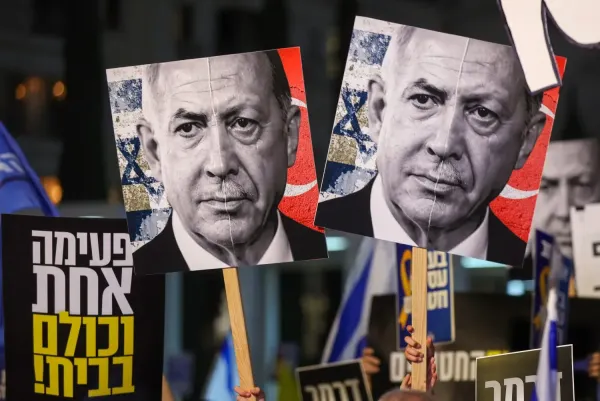
Netanyahu's warnings about Turkish aggression are timed to a political moment that demands an external enemy. The gap between the rhetoric and the actual threat calculus reveals how threat inflation has become the policy itself.

The Ministry of Justice's own review confirms 5,450 people subject to court-ordered electronic tagging in England and Wales are not being monitored. The BBC's figure is higher. Neither number is reassuring.
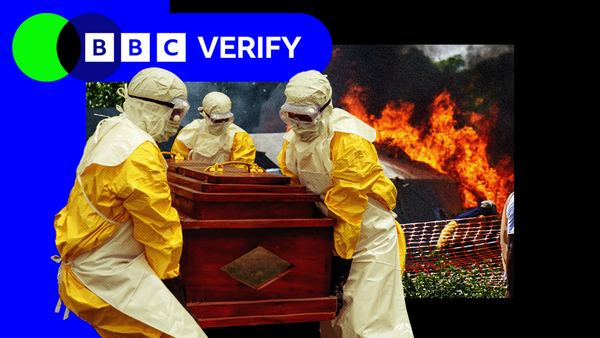
False claims about Ebola are getting health workers beaten and treatment centers burned. The disinformation machinery driving the violence was built during COVID and never taken apart.
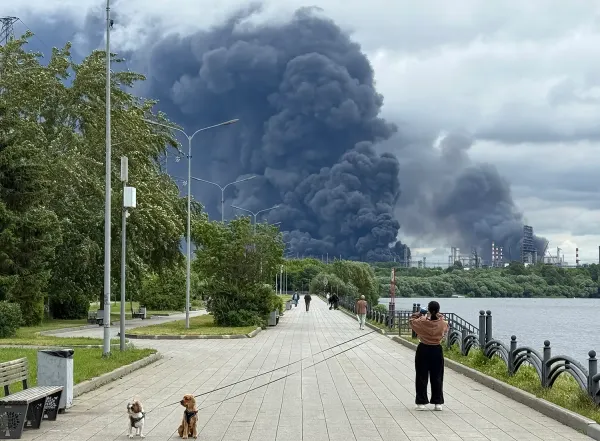
Ukraine has developed a coherent military strategy for ending the war on its terms. The limiting factor is not battlefield capacity — it is whether Western governments will commit the resources that strategy actually requires.
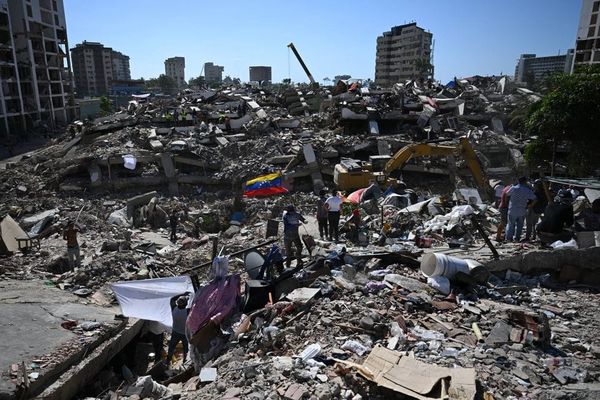
The U.S. seized at least $8 billion in Venezuelan oil wealth this year. After twin earthquakes killed 3,535 people and wiped out 32% of Venezuela's GDP, Washington pledged $300 million in relief — and kept the sanctions in place.
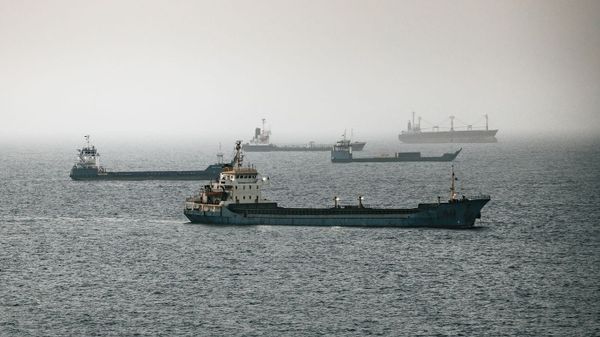
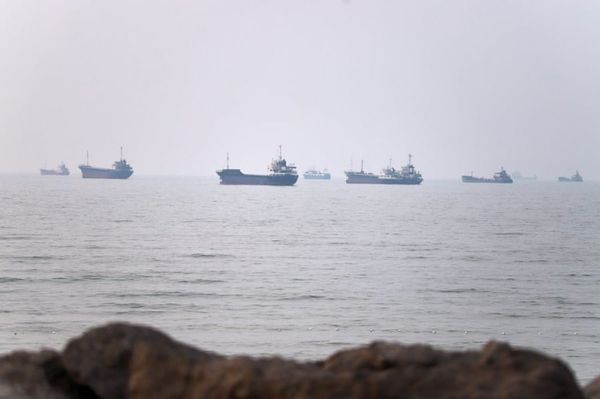
Iran struck three commercial ships in the Strait of Hormuz within 24 hours, unraveling a memorandum of understanding signed less than three weeks ago — and exposing the pattern of agreements that were always designed to be temporary.

Dr. Hussam Abu Safiya's lawyer visited him in Israeli detention last week and could not recognize him. The abuse alleged is prohibited under international law. The system that permits it to continue has been built with U.S. complicity.
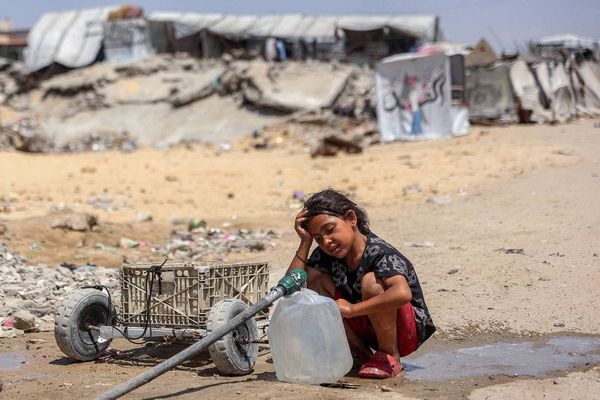
A water refilling station serving thousands of displaced families in Gaza City was bombed Monday, killing workers and forcing humanitarian groups to suspend operations. Nearly 90% of Gaza's water infrastructure has been destroyed — and the legal framework that prohibits targeting civilian survival s
The U.S.-Iran Memorandum of Understanding excludes ballistic missiles — the weapons Iran has actually used against U.S. forces and regional populations — from its terms. The administration is calling that silence progress.