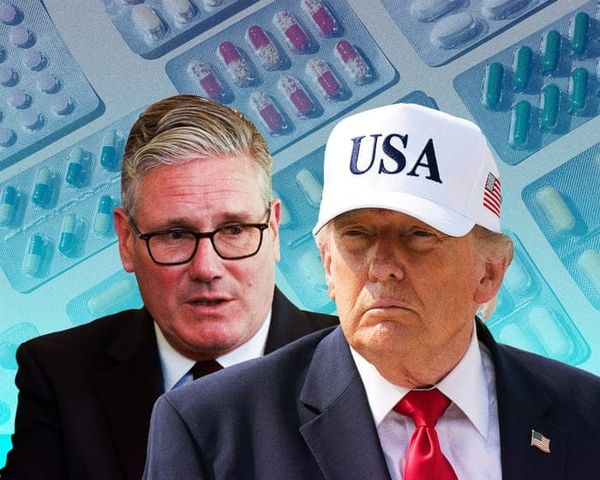
Independent analysis of the US-UK trade deal finds the NHS will divert billions from essential services to pay for American medicines — a structural transfer of purchasing power that analysts project will cause 229,000 excess deaths. Labour signed it anyway.
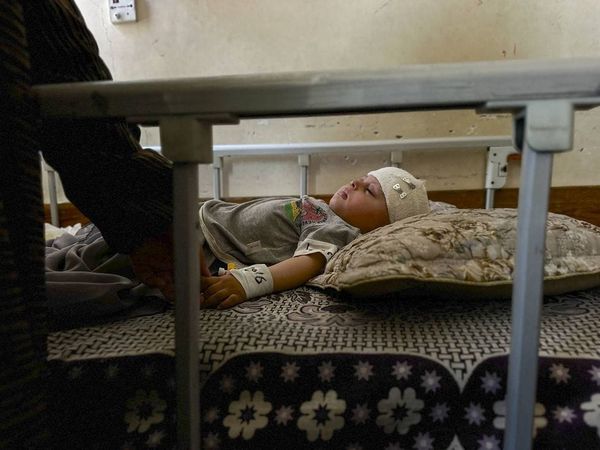
The UN's inquiry into Gaza documents 20,000 children killed, many by deliberate targeting. The report's structure is not a humanitarian appeal — it is an evidentiary record built for future prosecution.
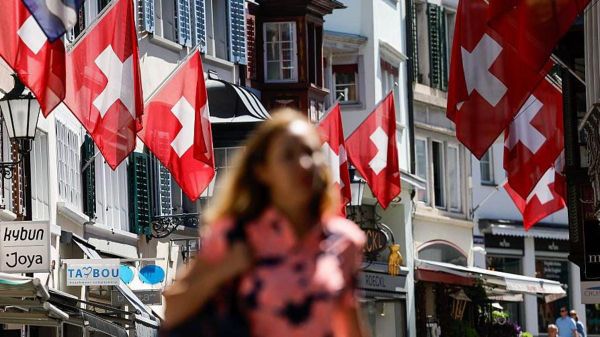
The Swiss People's Party is calling a proposed population cap a 'sustainability initiative.' The math only works if you deport people — and the party knows it.
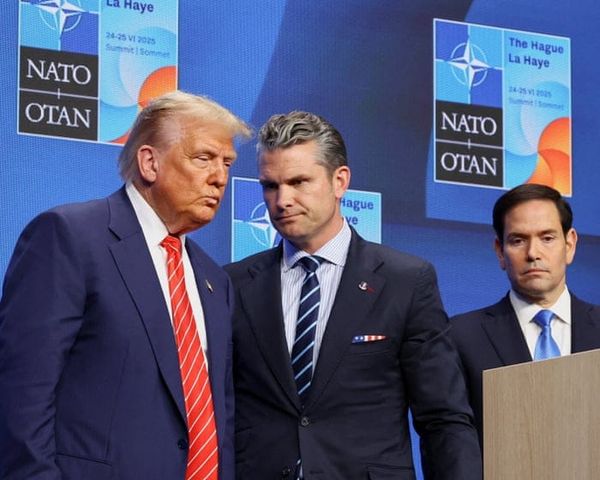
A survey across 15 European countries finds only one in ten people now see the U.S. as an ally. The real story isn't reputational damage — it's the permanent end of the psychological contract that made NATO deterrence function.
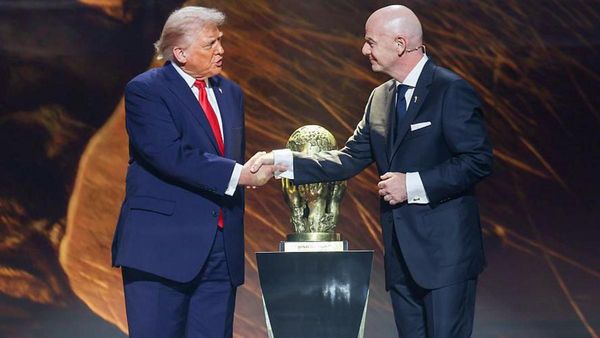
Somali referee Omar Artan was denied entry to the United States. He is an accredited FIFA official. The 2026 World Cup starts in a year, and FIFA has said nothing.
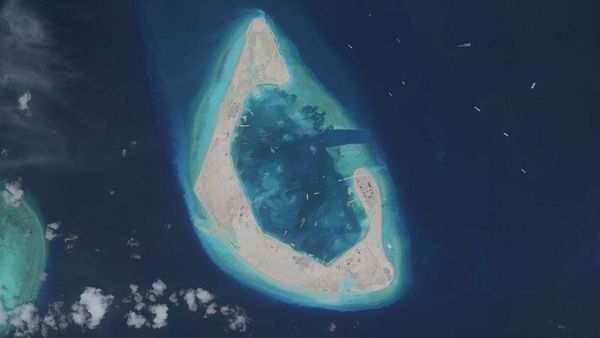
For years, Washington condemned Beijing's artificial island-building in the South China Sea as a violation of international law. Other claimant nations watched carefully — and are now doing the same thing. The rules-based maritime order wasn't undermined by China alone. It was never enforced.
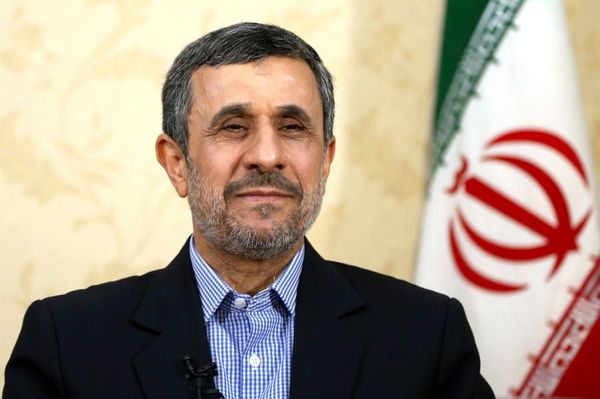
U.S. and Israeli officials reportedly planned to install Mahmoud Ahmadinejad — the Holocaust-denying former president who called for Israel's destruction — as Iran's next leader. The strategic incoherence is not a planning failure. It's a confession about what the war was always for.

The bodycam footage from Henry Nowak's arrest makes a mechanism visible that official statements prefer to keep abstract — the moment racial suspicion becomes prior to medical need, and a dying teenager is processed as a threat.
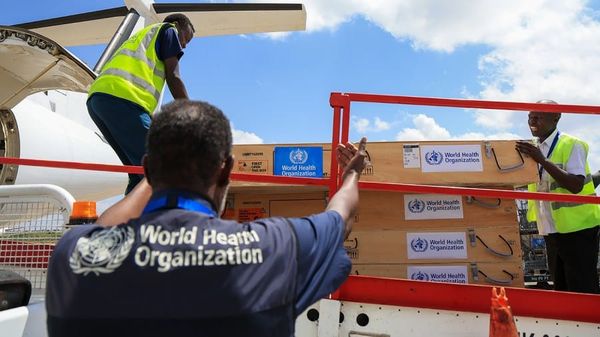
A Kenyan court blocked a U.S. plan to build an Ebola quarantine facility on its soil. The facility was for Americans. The infrastructure that would have made it unnecessary was eliminated by USAID cuts earlier this year.

The Pacific is tipping back into its warm phase, and the federal forecast now calls a "super" event the single most likely outcome for late 2026. The last two times this happened, the consequences circled the entire planet.

The Gulf and the Pacific are sending the same message: too much value and too much vulnerability concentrated in too few places. The case for sovereign, decentralized infrastructure — now.
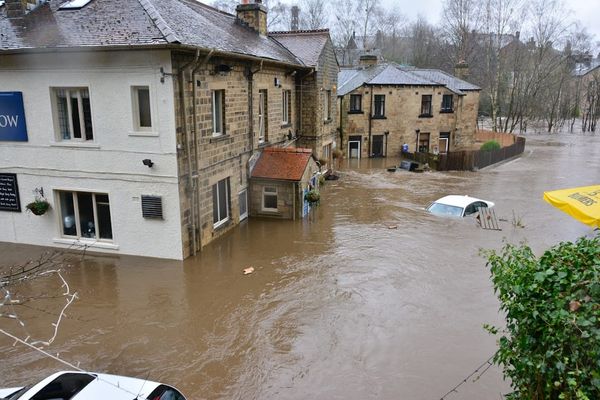
The Loss and Damage Fund was created to compensate developing nations for climate destruction they did not cause. Wealthy countries pledged $700 million. The actual need is $400 billion per year.

Itamar Ben-Gvir filmed himself taunting handcuffed Gaza flotilla activists at an Israeli port. France and Italy condemned it. Neither has suspended arms transfers to the government he serves.
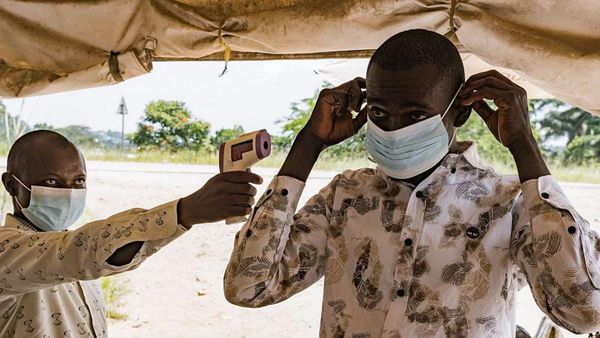
The WHO is tracking 600 Ebola cases and 139 deaths, with no vaccine deployable for nine months. The global health infrastructure designed to prevent exactly this scenario was dismantled by U.S. foreign aid cuts earlier this year.
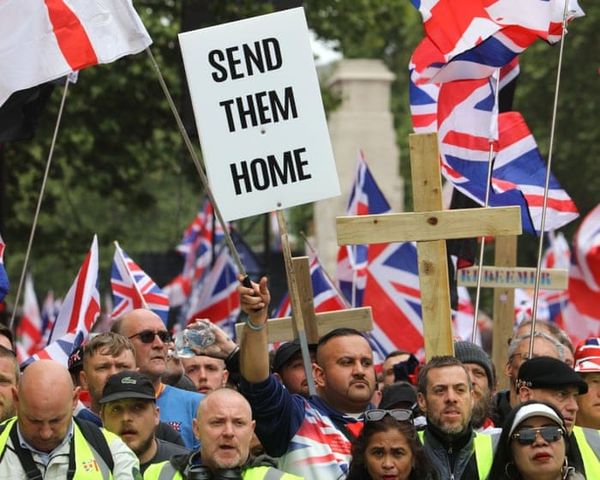
JD Vance told attendees of Tommy Robinson's 'Unite the Kingdom' rally to 'keep on going' — and the statement isn't a gaffe. It's the American far right functioning as an export operation in allied democracies.
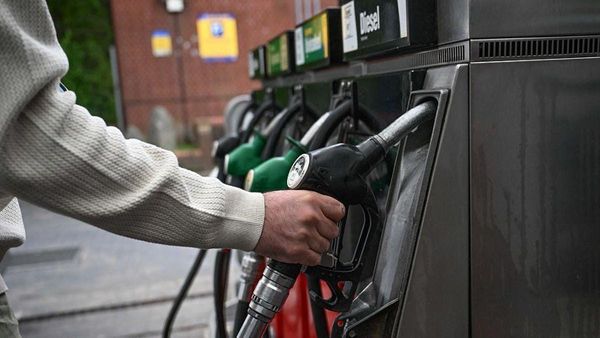
The UK has granted a sanctions waiver on Russian oil imports to manage fuel shortages caused by the Hormuz blockade. The war Washington launched without allied coordination is now forcing its closest partner to fund the economy it spent three years trying to isolate.