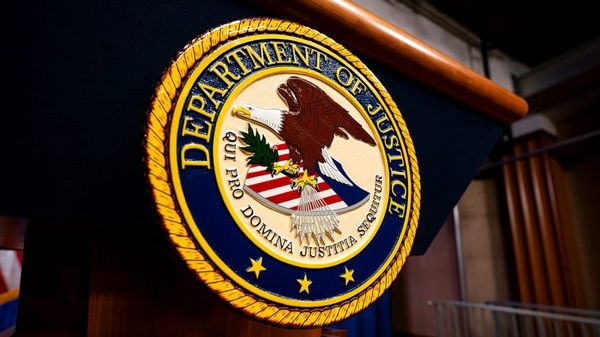
The Department of Justice launched its criminal investigation into Abbott Laboratories in 2023 under the Biden administration. Abbott is the largest infant formula manufacturer in the United States. Federal investigators had found traces of a potentially deadly bacteria inside its Sturgis, Michigan plant — on equipment close to infant formula containers — and the Food and Drug Administration had received reports linking formula produced there to at least nine infant deaths. Prosecutors were considering a misdemeanor charge under the federal Food, Drug, and Cosmetic Act and a separate count for misleading the government. Some believed they had the evidence to move.
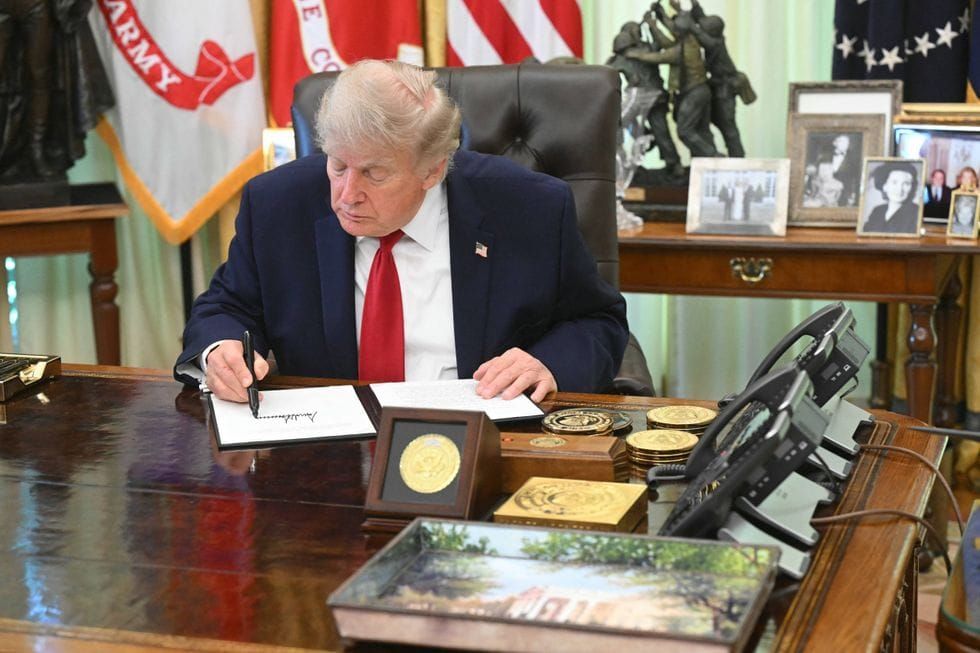
The Trump DOJ shut the investigation down. What the president's 927-page financial disclosure report then confirmed, as reported by Common Dreams citing analysis from the nonprofit media organization More Perfect Union, is that Trump purchased approximately $500,000 in Abbott Laboratories stock before that decision was made — beginning in late September of last year. Abbott, for its part, had donated $500,000 to Trump's inaugural fund.
The through-line is not complicated: a company under federal criminal investigation donated half a million dollars to a president's inauguration, the president bought half a million dollars of that company's stock, and his Justice Department dropped the case.
What makes this more than a coincidence argument is the weight of converging interests. The Wall Street Journal reported that "top decision makers" at the DOJ overruled prosecutors who believed they had sufficient evidence to charge Abbott under a statute the department has used against other companies for selling contaminated food. This was not a case that collapsed for lack of evidence. It was a case that was closed over the objections of the people building it.
The settlement the DOJ reached with Abbott resolves a related civil lawsuit — one joined by 31 states — that alleged Abbott had a "culture of concealment" at its Sturgis facility and "withheld information from FDA related to the presence of microorganisms" there. Prosecutors settling the civil case while abandoning the criminal one is a choice. It is the more lenient choice available, and it is the one the Trump DOJ made for a company whose executives had recently written a large check to the president's celebration.
This is not the first time this administration's enforcement decisions have tracked the financial and political relationships of its principals. As Tinsel News has documented, the White House has become a revenue stream for the Trump family in ways that blur the line between policy and personal enrichment — and the DOJ in particular has shown a consistent pattern of treating corporate enforcement as a tool of political favor rather than legal obligation. The Abbott case fits that pattern with unusual precision.
The original thesis the source reporting does not fully pursue is this: the Abbott case is not primarily a story about one dropped prosecution. It is a demonstration of what happens when a president has personal financial stakes in the companies his Justice Department is supposed to regulate. The conflict of interest here is not theoretical or structural in the abstract — it is direct, documented, and timed. Trump bought the stock. The investigation ended. The sequence matters.
The Trump administration's approach to corporate enforcement has been broadly permissive. The DOJ has reached what the Wall Street Journal described as "sweetheart settlement deals" with companies accused of price-fixing and stifling competition. But those cases involve companies with lobbying relationships and political donations — the standard machinery of corporate influence. The Abbott case adds something the others lack: the president's own brokerage account.
ProPublica reported in April of last year that workers at Abbott's Sturgis plant — which resumed production in June 2022 after its temporary closure — described conditions that the company's own internal communications showed management was aware of. The contamination that triggered the shutdown was not a surprise to the people running the facility. It was a known risk that was managed, concealed, and eventually deferred. The civil settlement's reference to a "culture of concealment" is language that comes from the 31 states that joined the lawsuit, not from advocacy groups. It is the government's own characterization.
The nine infants whose deaths were reported to the FDA are not abstractions in this story. They are the reason the investigation existed. Federal prosecutors do not spend years building cases under the Food, Drug, and Cosmetic Act for minor regulatory infractions. The contamination at Sturgis was severe enough that Abbott's own formula supply — representing a significant share of the U.S. market — was pulled from shelves, contributing to a national infant formula shortage that affected millions of families. The stakes of the original investigation were not bureaucratic. They were whether a company that may have knowingly sold contaminated formula, and may have misled regulators about what it knew, would face criminal accountability.
The answer, under this administration, is no. The answer came after a $500,000 inaugural donation and concurrent with a $500,000 stock purchase by the person who controls the department that made it.
This pattern of the president holding financial stakes in companies whose regulatory fate his administration controls is precisely what ethics laws and conflict-of-interest rules are designed to prevent. As Tinsel News has previously reported, Trump's trust traded Eli Lilly stock while his administration expanded the market for its drugs — a parallel that suggests the Abbott situation is not an anomaly. It is a governing approach.
The DOJ's independence from presidential financial interests is not a procedural nicety. It is the condition under which criminal enforcement of consumer protection law is possible at all. If the president can buy stock in a company under federal criminal investigation and then watch his Justice Department close that investigation, the enforcement system does not merely have a conflict-of-interest problem — it has ceased to function as enforcement. It has become something else: a selective mechanism for protecting the president's portfolio and rewarding his donors.
The 31 states that joined the civil lawsuit against Abbott, the prosecutors who believed they had evidence to charge the company, and the families of nine infants whose deaths were reported to the FDA are all part of this story. None of them had $500,000 to give at an inauguration. None of them had a brokerage account the president checked before the case was closed. The conflict of interest documented in Trump's financial disclosures is not a side note to the Abbott story. It is the Abbott story — and it belongs in every conversation about what the Department of Justice is now for.
Congress has subpoena power. The 31 states that joined the civil suit remain parties to that settlement. The prosecutors who objected to closing the criminal case still exist. Whether any of those mechanisms produce accountability will determine whether the financial disclosure that revealed this sequence of events was a warning or a preview of how this administration intends to govern for the next three years. The disclosures are public. The DOJ's pattern of selective enforcement is documented. The next question is whether anyone with standing to act on that record will.