The DOJ just filed a record number of denaturalization cases — and the real story isn't the 40 people targeted. It's the legal architecture being built to make citizenship conditional for 23 million naturalized Americans.
Political appointees are overruling career DOJ attorneys to clear major corporate mergers — and the consolidation they enable will raise prices on flights and at the pump in ways that cannot be undone once the deals close.
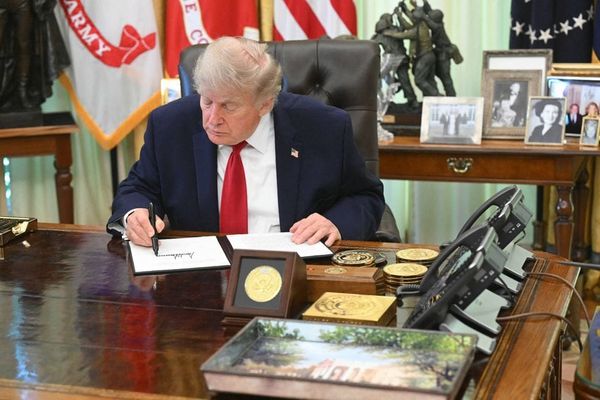
Trump's financial disclosures show he bought roughly $500,000 in Abbott Laboratories stock before his DOJ shut down a criminal investigation into the infant formula maker — a company linked to at least nine infant deaths and a $500,000 donor to his inaugural fund.
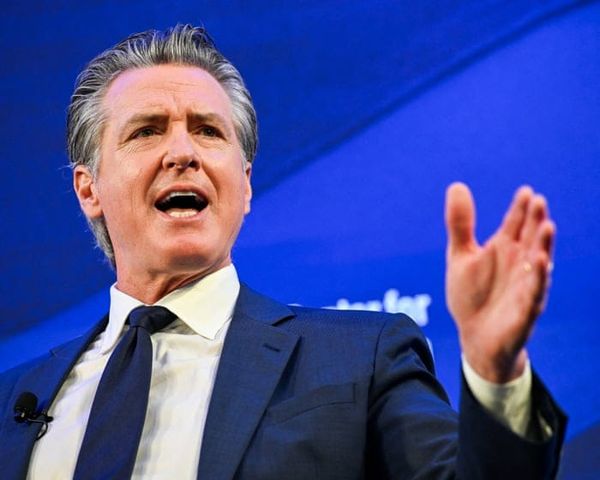
Gavin Newsom says Trump directed the DOJ to investigate him and his wife as he considers a presidential run. The pattern of using federal law enforcement against political rivals is no longer speculative — it's documented, escalating, and working exactly as designed.
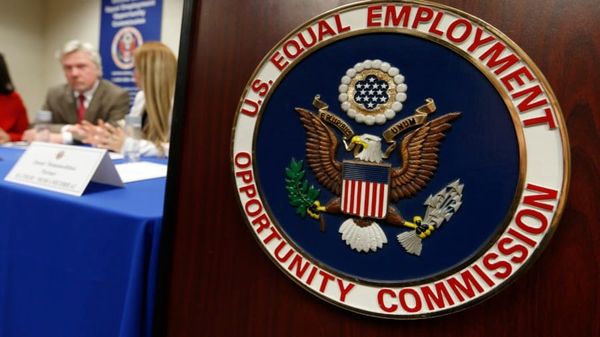
The DOJ's Office of Legal Counsel declared EEOC disparate impact guidelines unconstitutional — a non-binding memo that could still gut the enforcement tool workers have used to challenge discriminatory hiring for fifty years.
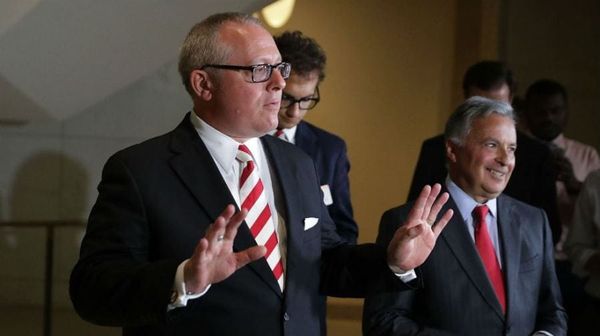
Michael Caputo, longtime Trump ally and veteran of his first administration, filed the inaugural claim from the DOJ's $1.8 billion anti-weaponization fund — seeking $2.7 million with no published eligibility criteria governing who qualifies.
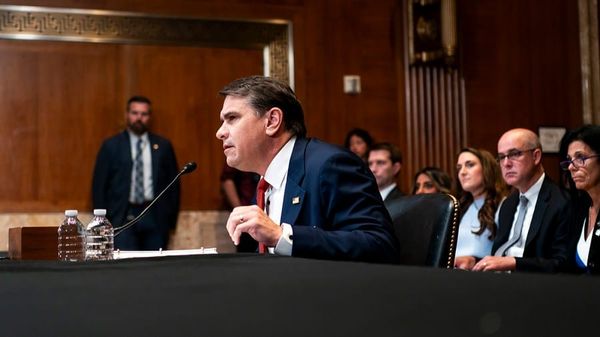
Acting AG Todd Blanche admitted before a Senate subcommittee that the DOJ's $1.776 billion 'anti-weaponization' fund has no written eligibility rules, no independent oversight, and could compensate Trump campaign donors and January 6 convicts — administered by the president's own former defense lawy
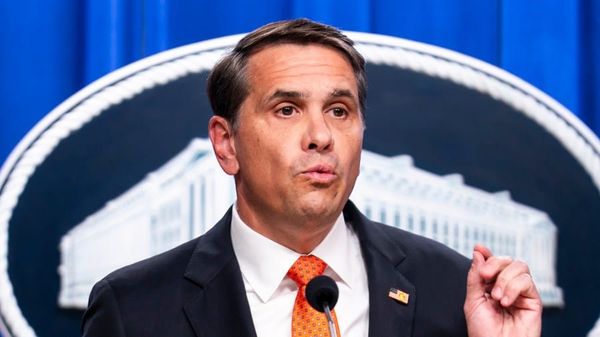
Trump sued the IRS for $10 billion. His own Justice Department settled the case with $1.776 billion in public money, no independent oversight, and no public eligibility criteria — then handed his administration the keys to decide who qualifies.
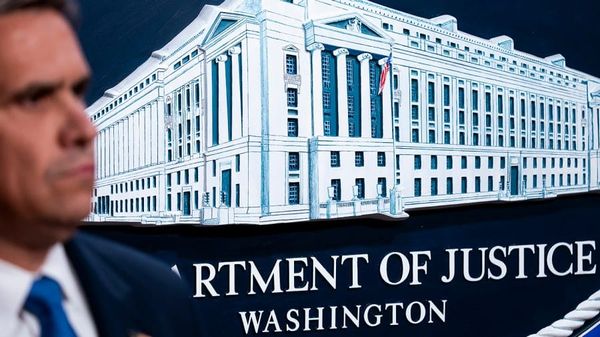
The Justice Department is threatening states that won't provide DHS officers with undercover license plates, framing a demand for covert surveillance infrastructure as a constitutional mandate — with no court precedent to back the claim.
The DOJ served grand jury subpoenas on Wall Street Journal reporters over coverage of the Iran war. The target isn't a leaker — it's the press freedom to report on a war Congress never authorized.
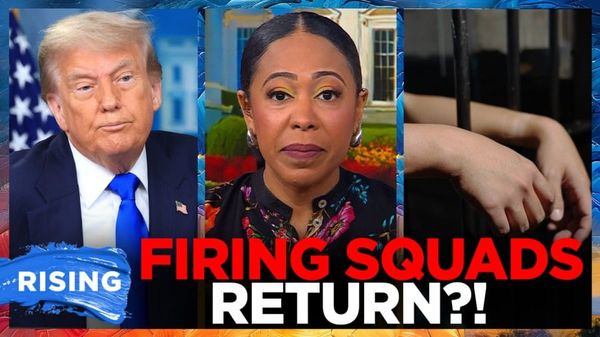
The DOJ's push to reinstate firing squad executions isn't a logistical workaround for drug shortages. It's a deliberate choice to make state killing more visible — and to normalize the idea that government violence should look like punishment.
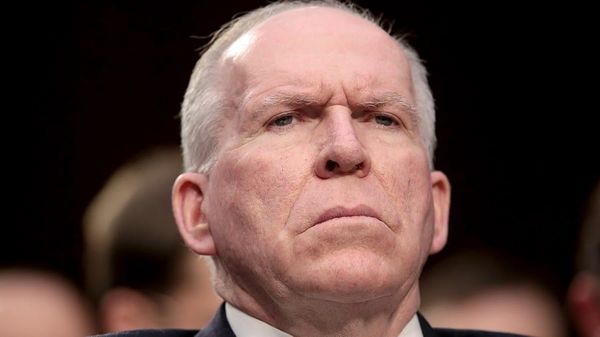
The House Intelligence Committee has handed DOJ documents involving former CIA Director John Brennan — the latest move in a documented pattern of deploying federal prosecutorial power against Trump's perceived critics.