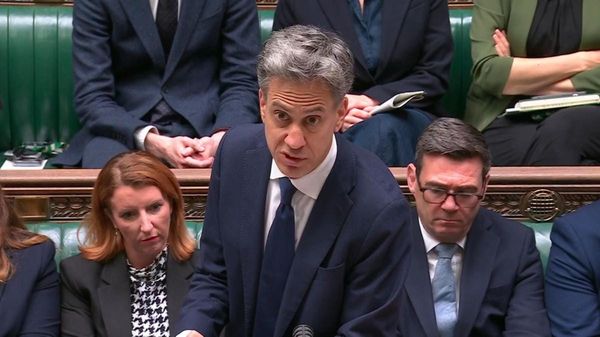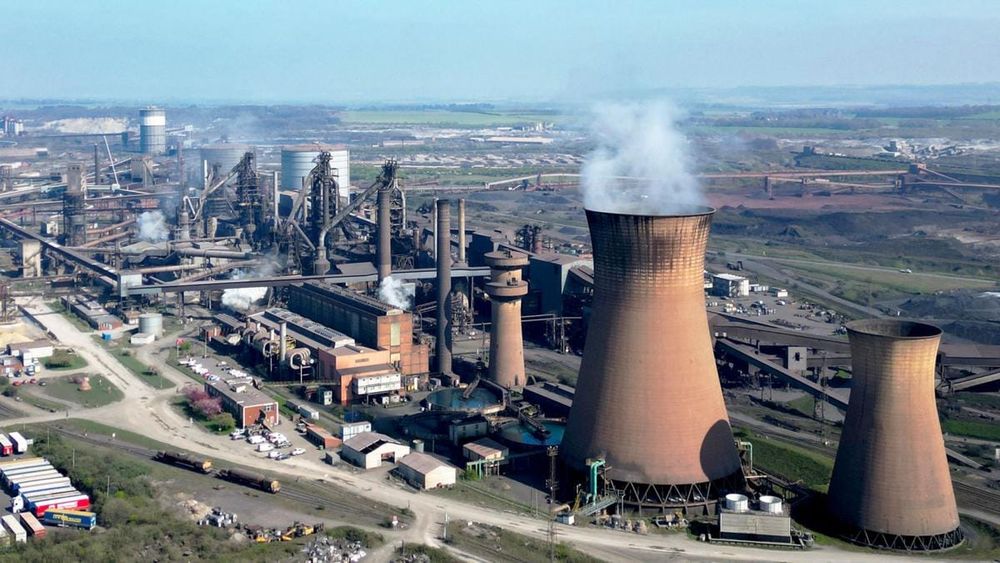
Britain still makes steel in one place. One plant, in Scunthorpe, employing roughly 2,700 workers, producing the kind of structural steel that goes into railways, construction, and defense supply chains. When the UK government moved to take that plant into public hands this spring, it used the language of national security — Prime Minister Keir Starmer's government told BBC News the move would safeguard "a vital national capability." Beijing's response was immediate and sharp: Chinese officials called the nationalization discriminatory, a hostile act targeting Chinese ownership. Both governments are telling a version of the truth. Neither is telling the whole story.
The Scunthorpe plant is owned by Jingye Group, a Chinese steelmaker that acquired British Steel out of insolvency in 2020. Jingye kept the furnaces running through the pandemic years, but by early 2025 the company had reportedly been pushing to close the blast furnaces — the irreplaceable infrastructure that makes primary steel from raw ore — citing mounting losses. Once those furnaces go cold, restarting them takes years and billions of pounds. The UK government concluded it could not allow that to happen and passed emergency legislation to take control. The plant's Chinese owners objected. The government acted anyway.
Blast furnaces produce primary steel from iron ore and coking coal. Once shut down, they cannot simply be restarted — the relining process alone takes 18 months to two years and costs hundreds of millions of pounds. The UK has no alternative primary steelmaking capacity. Losing Scunthorpe's furnaces would mean Britain could only recycle steel it already has, not produce new primary steel — a strategic gap that would take a generation to close.
What is being described in British media primarily as a labor story — jobs saved, union leaders relieved, a working-class community in Lincolnshire pulling back from the edge — is simultaneously a story about the hardening of economic competition between Western governments and China into something that looks increasingly like industrial warfare conducted through ownership structures and supply chains. The UK is not the only country having this conversation. The European Union has been wrestling with how to protect strategic industrial capacity while nominally maintaining open-market commitments. The United States has spent years debating how much of its own manufacturing base it is willing to allow foreign capital to acquire before the question becomes a national security one.
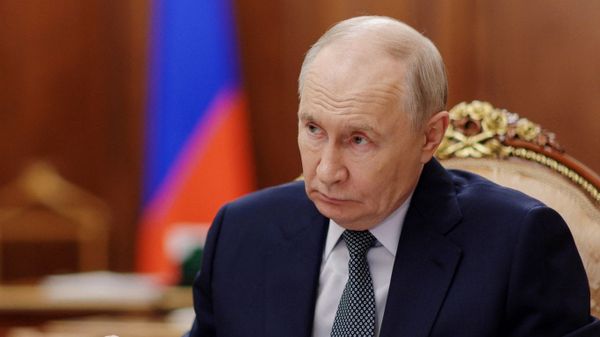
China's objection to the British Steel nationalization is not simply diplomatic noise. Jingye Group invested real capital in a plant that Western buyers had already walked away from — the company stepped in when no British or European owner would. Beijing's argument, stripped of its diplomatic register, is that Chinese firms are being told the rules of foreign investment apply to them until a Western government decides they don't. That argument deserves to be taken seriously, even by people who believe the nationalization was correct. The inconsistency is real: Western governments have spent decades demanding that China open its markets to foreign ownership while quietly maintaining the right to block, unwind, or override Chinese investment whenever strategic discomfort reaches a threshold that is never quite defined in advance.
That said, the strategic logic behind the UK's decision is not manufactured. Primary steelmaking capacity is genuinely difficult to rebuild once lost. Steel sits at the base of defense supply chains — warships, armored vehicles, rail infrastructure, energy grid components. A country that cannot produce its own primary steel is dependent on whoever can, and that dependency has a price that only becomes visible in a crisis. The UK learned something like this lesson during the pandemic, when the concentration of pharmaceutical and medical supply chains in a small number of countries created acute shortages. The lesson is now being applied, unevenly and belatedly, to heavy industry.

The deeper tension is this: the economic model that Western governments championed for thirty years — globalized supply chains, foreign direct investment as an unqualified good, comparative advantage as the organizing principle of industrial policy — produced exactly the vulnerabilities that are now forcing emergency nationalizations and panicked reshoring efforts. Britain sold or allowed to decline most of its heavy industrial base across the 1980s and 1990s, in the name of the same market logic that made it uncomfortable, until recently, to ask who owns the last steel plant. The Scunthorpe crisis is not an aberration. It is the bill coming due.
For workers in Scunthorpe, the immediate question is simpler and more urgent: whether the plant runs, whether the wages arrive, whether the community survives. Those workers did not design the global supply chains that put their jobs in jeopardy. They did not choose to have their employer be a Chinese conglomerate operating under the pressure of rising energy costs and global steel overcapacity — much of it produced, with state backing, in China. They are the people bearing the cost of decisions made at levels far above them, by governments and corporations and international institutions that will not be in Scunthorpe when the consequences land.
The nationalization buys time. What the UK government does with that time — whether it invests seriously in transitioning Scunthorpe toward electric arc furnace technology, which does not require coking coal and produces far lower emissions, or whether it simply delays the reckoning — will determine whether this is industrial policy or just an expensive holding action. As Tinsel News has covered, China has been building out the clean energy and green steel manufacturing capacity that Western governments keep announcing and then underfunding. The country now objecting to Britain's nationalization of a coal-fed blast furnace is simultaneously the country best positioned to sell Britain the electric arc technology that would replace it. That is the actual shape of the competition — and it is more complicated than either government's press release suggests.

The new Cold War in economic competition will not be fought primarily with missiles. It will be fought through ownership structures, technology licensing, supply chain dependencies, and the question of who gets to decide which industries a country is allowed to control. Britain just answered that question for steel. The answer will be contested, in trade forums and diplomatic exchanges and future investment decisions, for years. The workers in Scunthorpe will find out whether the answer was worth anything when the next crisis arrives — and whether their government planned for it, or just survived it.