The Fourth Geneva Convention does not leave room for interpretation on this point. Medical personnel treating the wounded in a conflict zone are protected. They cannot be detained for performing their duties. They cannot be tortured. These are not aspirational guidelines — they are binding obligations that Israel, as a signatory, is legally required to honor. Dr. Hussam Abu Safiya's lawyer visited his client last week and could not recognize the man he had come to see.
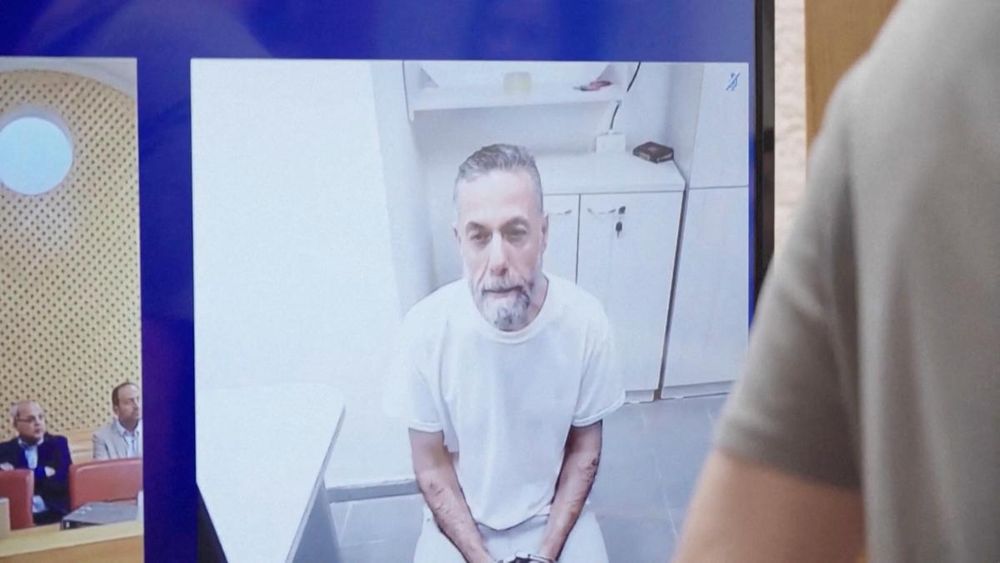
Dr. Abu Safiya was the director of Kamal Adwan Hospital in northern Gaza — one of the last functioning medical facilities in a region where the healthcare system has been systematically dismantled. BBC News reported that his lawyer told them his client had been so badly beaten during his detention in an Israeli jail that he was unrecognizable at their meeting. The lawyer's account is the first direct testimony from someone who has seen Abu Safiya since his arrest.
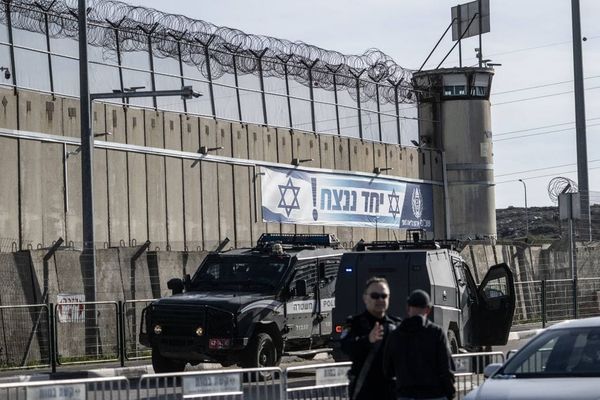
Abu Safiya was detained by Israeli forces in January 2025 during a military operation at Kamal Adwan Hospital — an operation that itself drew international condemnation. He had become one of the most visible medical figures in Gaza, continuing to perform surgeries and coordinate care under bombardment when most of his colleagues had been killed, wounded, or forced to flee. His detention was not incidental. He was one of the most prominent symbols of Gaza's collapsing medical infrastructure, and removing him removed a witness.
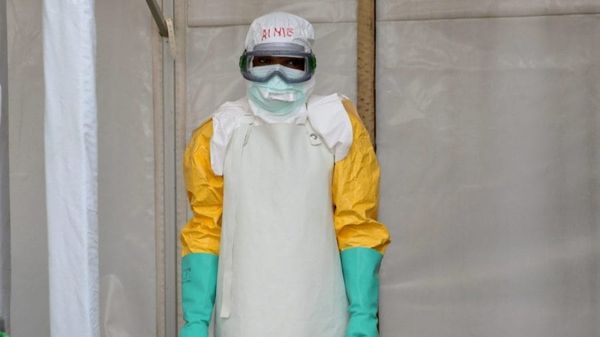
Under the Fourth Geneva Convention and Additional Protocol I, medical personnel, facilities, and transport are granted protected status in armed conflict. Parties to a conflict are prohibited from attacking, detaining, or mistreating medical workers for carrying out their duties. These protections apply regardless of which patients receive care. Violations constitute war crimes under international humanitarian law.
The abuse alleged here does not exist in isolation. It fits a documented pattern. A UN expert has documented systematic torture of Palestinians in Israeli custody, describing the treatment as "punitive collective vengeance." The report catalogued methods including stress positions, sleep deprivation, beatings, and prolonged isolation — applied not selectively but as a matter of institutional practice. Abu Safiya's condition, as described by his lawyer, is consistent with that documentation.
What makes the detention of medical personnel distinct — and distinctly prohibited — is the cascading harm it produces. When a hospital director is pulled out of a facility mid-crisis, the damage is not only to that individual. Kamal Adwan was already operating under near-impossible conditions: no fuel, dwindling supplies, staff killed or displaced, patients dying for want of basic equipment. Abu Safiya's arrest accelerated that collapse. The people who depended on that hospital did not disappear when he was taken. They continued arriving — wounded, sick, in labor — into a facility that had lost its most experienced leader. That consequence was foreseeable. It may have been intended.
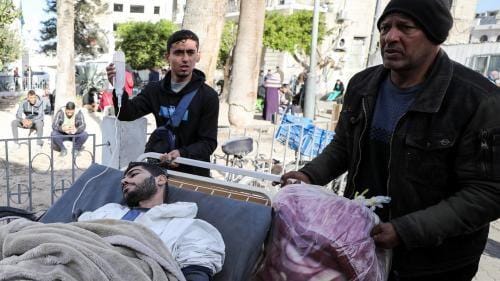
The Israeli government has not publicly addressed the condition in which Abu Safiya's lawyer found him. Israeli authorities have previously described Abu Safiya as a security threat — a characterization his supporters and human rights organizations reject. Under international law, even if that characterization were accurate, it would not authorize torture. The prohibition on cruel, inhuman, or degrading treatment is absolute. It does not carry an asterisk for people accused of security offenses.
The United States has vetoed multiple UN resolutions that would have created accountability mechanisms for conduct in Gaza. That veto record is not background noise — it is the architecture within which these abuses continue. When there is no credible threat of international accountability, the incentive structure that might constrain this behavior simply does not exist. The lawyer who visited Abu Safiya last week did so knowing that his report, however damning, would likely produce no consequence for the people responsible.
Gaza's healthcare system has now been described by the World Health Organization as functionally destroyed. Healthcare workers who remained to document mass graves have themselves described a system of global impunity for attacks on medical facilities — one that has been constructed over decades and reinforced with each incident that passes without accountability. Abu Safiya's detention and the condition in which his lawyer found him is not an anomaly within that system. It is the system working as it has been permitted to work.
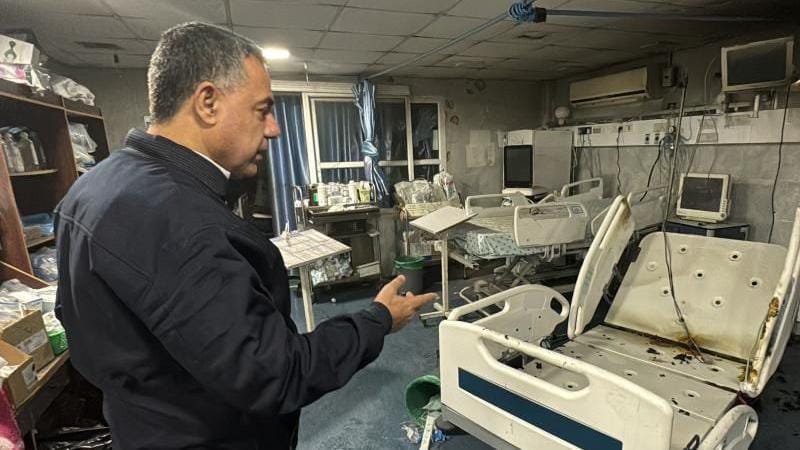
His lawyer has now seen him. The world knows what was done to him. The question is whether knowing changes anything — and the record, at this point, suggests it does not. The next step in any genuine accountability process would be an independent investigation, access for international monitors, and a formal charge or release under conditions that meet minimum legal standards. None of those things are currently guaranteed. The WHO suspended all medical evacuations from Gaza after Israeli troops killed a Palestinian contractor driving an approved route — a reminder that the infrastructure of humanitarian access has itself become a target. The lawyer's visit may be the last independent account of Dr. Abu Safiya's condition for some time. What he reported should be treated as evidence — because under international law, that is exactly what it is.