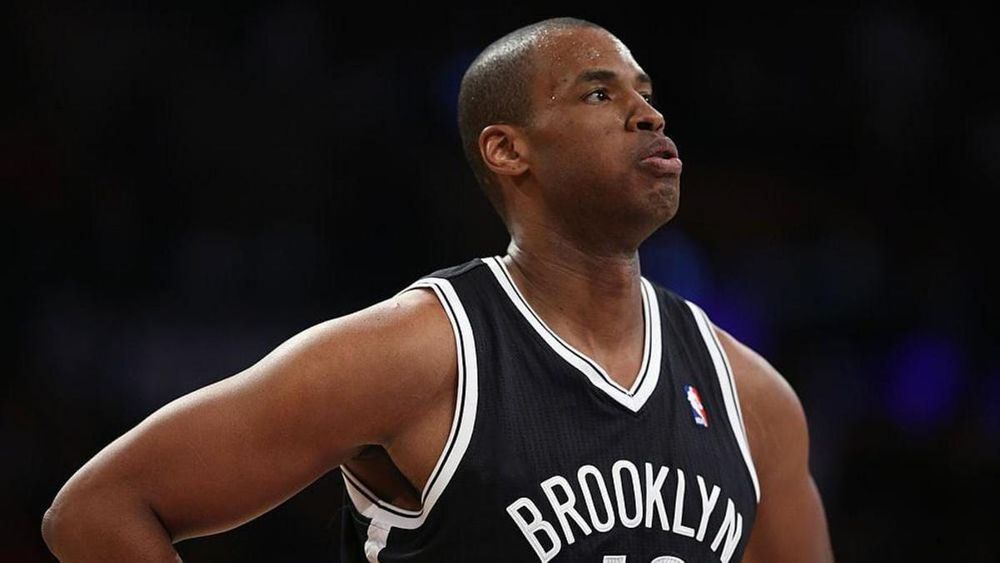
Forty-seven is not old enough to measure a legacy. But Jason Collins's death from brain cancer — confirmed by BBC News, which reported that Collins had shared his diagnosis late last year — forces an accounting that professional sports would prefer to defer indefinitely.
Collins came out publicly in April 2013, in a first-person essay in Sports Illustrated. He was a 34-year-old center who had spent twelve seasons in the NBA, and he became the first active player in any of the four major North American professional leagues — the NFL, NBA, MLB, and NHL — to publicly identify as gay. He signed with the Brooklyn Nets the following February, played 22 games, and retired. No active male player in any of those four leagues has come out since.
That is not a coincidence. It is a data point about the culture Collins entered and the culture that outlasted him.
The tributes pouring in since his death have been warm and genuine. Former teammates, league commissioners, and public figures have described Collins as brave, trailblazing, historic. What the tributes tend not to address is the question his life made unavoidable: if Collins blazed a trail, why has no one walked it in more than a decade? The answer is not that there are no gay men playing professional team sports. The answer is that the conditions Collins faced — the fear of lost endorsements, locker room hostility, being defined by a single identity in a culture that demands athletes be defined only by performance — have not materially changed.
Since Jason Collins retired in 2014, no active male player in the NFL, NBA, MLB, or NHL has come out publicly. Several players in women's professional leagues and a small number of male players in soccer have done so. The gap between women's and men's professional sports on LGBTQ visibility is not incidental — it tracks directly with the difference in commercial endorsement risk, media scrutiny, and organizational culture at the highest levels of men's sport.
Women's professional sports tell a different story. The NWSL, the WNBA, and women's soccer have seen multiple openly gay players compete at the highest levels without the silence that defines men's leagues. That disparity is worth sitting with. It is not that women's sports are more progressive by nature. It is that the commercial architecture of men's professional sports — the endorsement ecosystem, the ownership structures, the media relationships — creates specific, documented incentives for silence. The closet in men's professional sports is not just personal. It is institutional.
Collins understood this. In interviews after his coming out, he described the calculation athletes make: visibility as a gay man versus the risk of being seen as a distraction, a liability, a story that overshadows the game. He also described the relief of no longer carrying that calculation alone. What he could not control — what no single person could control — was whether the institutions around him would change the math.
They have not. The major leagues have issued statements of support for LGBTQ inclusion for years. They host Pride nights. They sell rainbow merchandise. The gap between those gestures and the lived reality of gay athletes who choose silence is the story that Collins's death makes newly urgent. As Tinsel News has covered, the pattern of institutions performing inclusion while their structural incentives remain unchanged is not unique to sports — it appears across corporate America every June, and it produces the same outcome: visibility for the brand, risk absorbed by the individual.
The brain cancer that killed Collins at 47 was not a product of any system. It was a disease, and his death is a loss that belongs first to the people who knew and loved him. But the conditions that made his 2013 coming out remarkable — rather than unremarkable — were a product of systems. And those systems remain largely intact. The question his death leaves behind is not whether Jason Collins was brave. He was. The question is what professional sports leagues, team owners, and the media that covers them are willing to change so that the next gay athlete does not have to be.
Collins was diagnosed with glioblastoma, one of the most aggressive forms of brain cancer, and shared the news publicly before his death. He was 47. He had already done more than any institution asked of him. The institutions that benefited from his courage — the leagues that pointed to his story as evidence of their openness, the sponsors who praised him from a safe distance — owe more than a tribute. They owe the structural work that would make his example unnecessary: a professional culture where an athlete's sexuality is not a career calculation, a locker room where coming out costs nothing, a media environment that treats gay athletes as athletes. That work has not been done. The governance structures of elite sport have shown, repeatedly, that they will celebrate individual pioneers while avoiding the systemic changes that would make pioneering unnecessary. Collins deserved better than that. So does every gay athlete who is still doing the math.