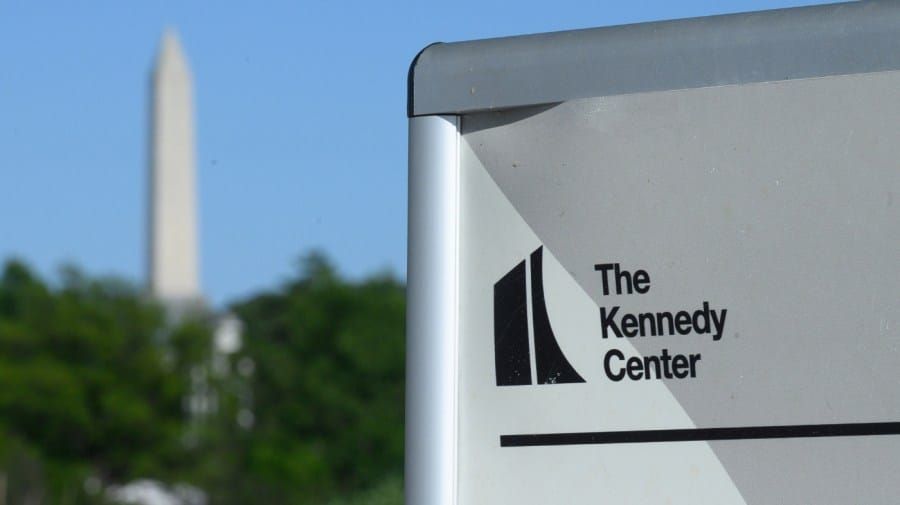
A federal judge ordered the Kennedy Center to stay open. The administration responded by telling the same court it is still considering closing part of it anyway.
In a court filing submitted late Friday, the Trump administration told The Hill that it is actively weighing a "partial closure" of the iconic Washington performing arts venue — a direct challenge to U.S. District Judge Christopher Cooper's ruling that the institution's board had improperly voted to shut the center down. The filing does not argue that the judge was wrong. It does not appeal his ruling. It simply announces that the administration may do a version of what the court prohibited, and invites the court to watch.
That posture — acknowledging a judicial order while announcing plans to circumvent it — is not a legal argument. It is a message about who the administration believes is actually in charge.
Judge Cooper's ruling last month came after the Kennedy Center's board, which the Trump administration restructured after taking control of the institution earlier this year, voted to shutter the center beginning in the near term. The board's composition had shifted following the administration's removal of existing members and the installation of new ones, a move that itself drew legal scrutiny. When Tinsel News covered the initial judicial intervention — a federal judge had already reminded the executive branch that Congress, not the president, holds authority over federal institutions like the Kennedy Center — the central question was whether the administration would treat the ruling as binding. Friday's filing answers that question.
The Kennedy Center receives federal funding and was established by an act of Congress. Its governance, programming, and continued operation are not purely executive prerogatives. That legal reality has not stopped the administration from treating the institution as an extension of White House cultural policy — renaming events, overhauling programming, and installing loyalists to its board. A "partial closure" would continue that transformation while technically skirting the precise language of the court's order.
U.S. District Judge Christopher Cooper ruled that the Kennedy Center's board improperly voted to shut down the center. His order requires the institution to remain open. The administration's Friday filing does not appeal that ruling — it announces the administration is considering a "partial closure" regardless.
This is not an isolated incident. The administration has developed a consistent practice of treating court orders as advisory — complying with their narrowest possible reading while continuing to pursue the underlying goal through adjacent means. As Tinsel News has documented, federal judges are issuing orders and the executive branch is treating noncompliance as a strategy rather than a crisis. The Kennedy Center filing fits that pattern precisely: the administration does not contest the ruling. It simply announces it will find a way around it and dares the court to respond.
The legal mechanism matters here. By filing the partial-closure consideration with the court rather than simply acting, the administration creates a procedural record. It can later argue it was transparent — that it informed the court of its intentions and gave opposing parties an opportunity to object. This is not good-faith engagement with the judicial process. It is a simulation of it. The goal is to move the legal boundary incrementally, each filing testing how far the court will allow the executive branch to go before treating defiance as defiance.
For the artists, staff, and audiences who depend on the Kennedy Center, the practical consequences are concrete. The center employs hundreds of workers across production, administration, and programming. A partial closure — undefined in scope in the filing, according to The Hill's reporting — leaves those workers in legal and professional limbo, unable to plan, unable to negotiate, unable to know whether their contracts will be honored. Ambiguity is its own form of control.
The deeper consequence runs beyond one building on the Potomac. If an administration can announce to a federal court that it intends to do a version of what that court prohibited — and face no immediate consequence — then the court order is not a ruling. It is a suggestion. The administration's Friday filing is a test of that proposition. The court's response, or absence of one, will tell us something important about what judicial independence means in practice right now, not in theory.