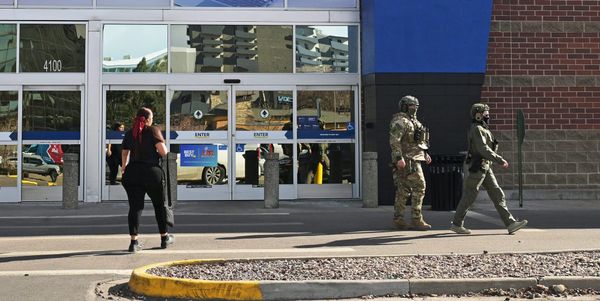
A bill framed around 'organized retail crime' would install ICE as the lead federal agency on commercial theft — giving the immigration enforcement agency a new statutory mandate to operate in communities where immigrant workers are concentrated.
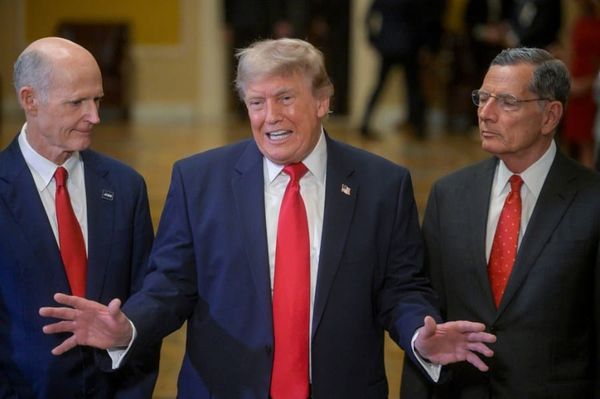
The Senate voted to constrain the Iran war on Tuesday. By Wednesday, it had reversed itself under presidential pressure. What happened in those 48 hours is not a political story — it's a constitutional one.
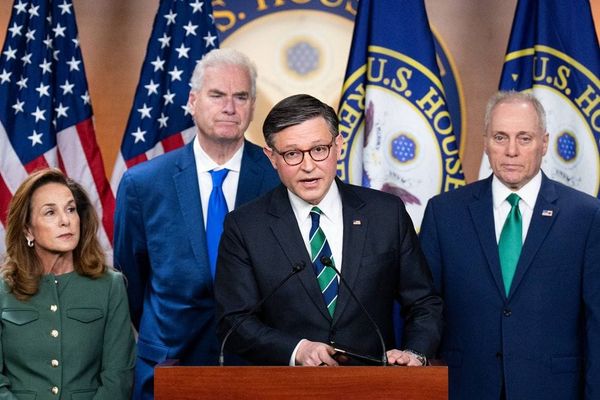
The Social Security trustees moved up the program's insolvency date by one quarter — and the report names the policies responsible. The same coalition now proposing to 'fix' the program caused the damage it is citing.
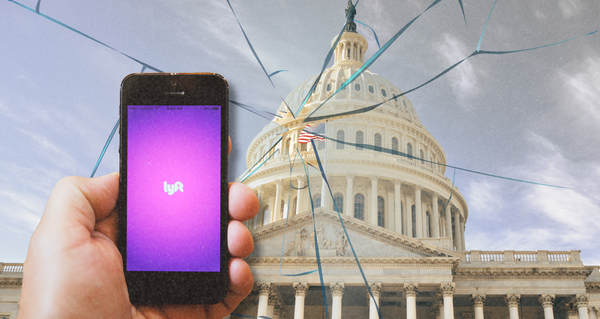
A liability shield for Uber and Lyft was tucked into must-pass transportation legislation — bypassing public debate while thousands of sexual assault survivors are still pursuing civil claims against both companies.
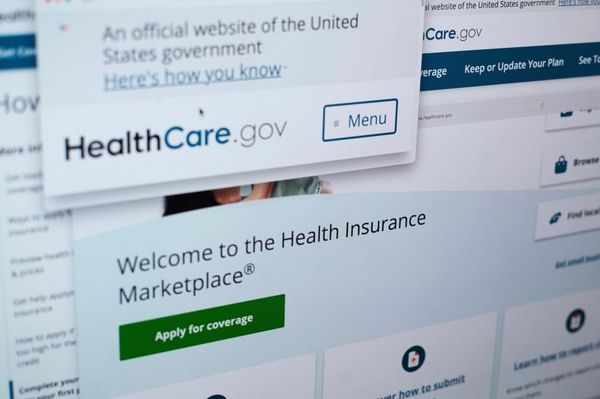
Roughly 5 million people are projected to lose ACA marketplace coverage in 2025 after enhanced premium tax credits expired. The KFF analysis framing this as a market trend obscures a simpler truth: Congress knew the deadline and chose not to act.
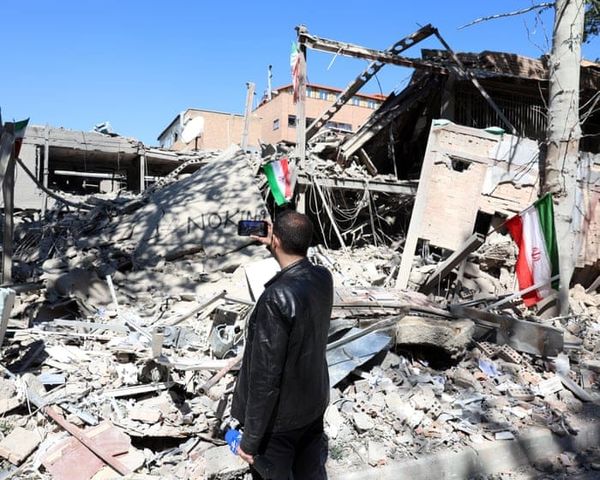
The Senate's seventh war powers vote on Iran failed 49 to 50 — the closest margin yet. Republican defections are growing with each attempt, and the constitutional question of who authorizes this war remains unanswered.

Pete Hegseth told Congress the White House doesn't need war authorization for Iran. What he described is the effective abolition of Article I's war powers clause — stated plainly, in a congressional hearing, with no apparent consequence.
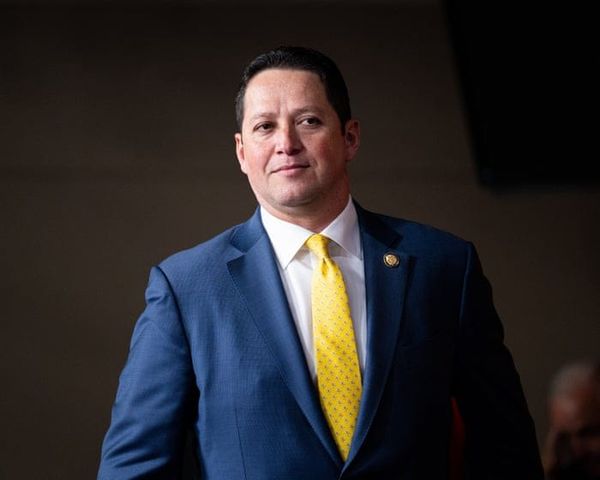
Tony Gonzales and Eric Swalwell leave Congress the same day — one after admitting an affair with a staffer who died by suicide, one after a years-long ethics probe. Neither faced a formal sanction. That's not accountability. That's the system working exactly as designed.

The Title X program providing free reproductive healthcare to 2.3 million low-income Americans expires March 31 with no explanation from Congress, threatening a public health catastrophe.