The most consequential gap in the war in Ukraine is not on the front line. It is between what Kyiv now believes can win the war and what Western capitals have actually agreed to provide.
According to Foreign Policy, Ukraine has developed a coherent theory of victory — a genuine strategic framework, not a slogan. After more than three years of grinding attrition, Kyiv's military planners have identified the combination of deep strikes, economic pressure on Russia's energy infrastructure, and sustained territorial defense that they believe can force a negotiated settlement on terms Ukraine can accept. The strategy is specific. It has internal logic. Military analysts who have reviewed it say it is not fantasy.
What it requires, however, is time. And time, in this context, is not measured in months — it is measured in the sustained delivery of weapons, intelligence, and financing that Western governments have repeatedly promised, repeatedly delayed, and repeatedly made conditional on their own domestic political calculations. That is the problem Kyiv cannot solve from Kyiv.
Ukraine's emerging strategic framework centers on three elements: deep strike capability against Russian military-industrial and energy infrastructure, sustained pressure on Crimea as a logistical hub, and a defensive posture capable of holding current lines long enough for economic attrition to constrain Russian operational capacity. Each element depends on Western-supplied systems, intelligence sharing, and financial backing that has not been formally committed beyond existing aid packages.
The question is not whether Ukraine's strategy is sound. It may well be. The question is who bears responsibility for the gap between Kyiv's strategic requirements and what the alliance has actually committed. That gap has a specific shape, and it deserves to be named.
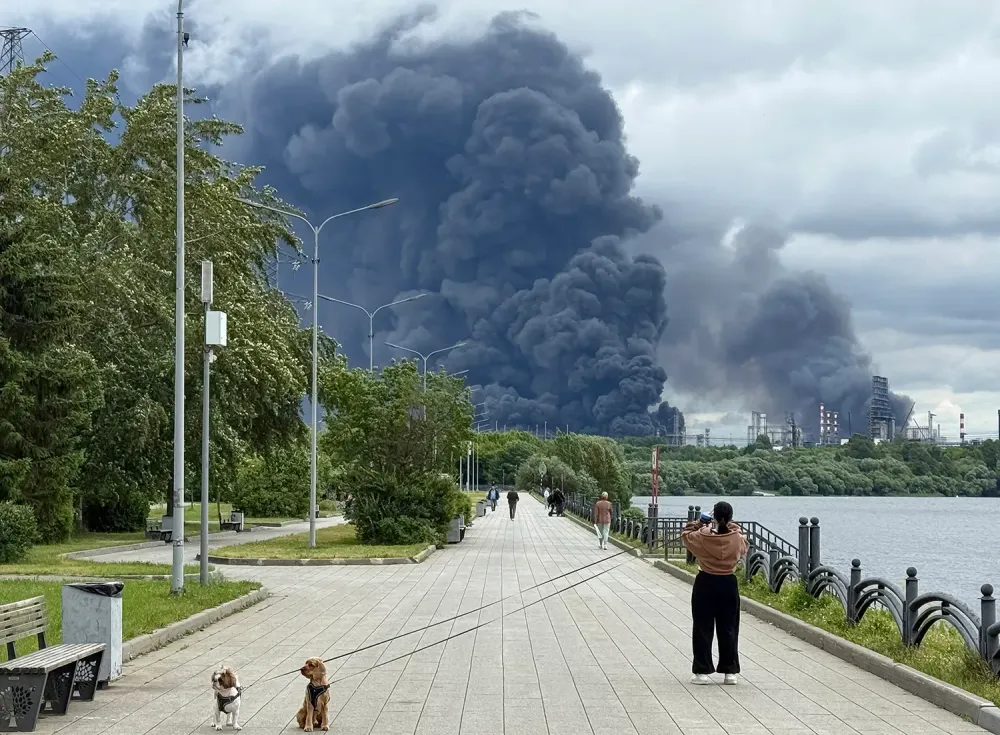
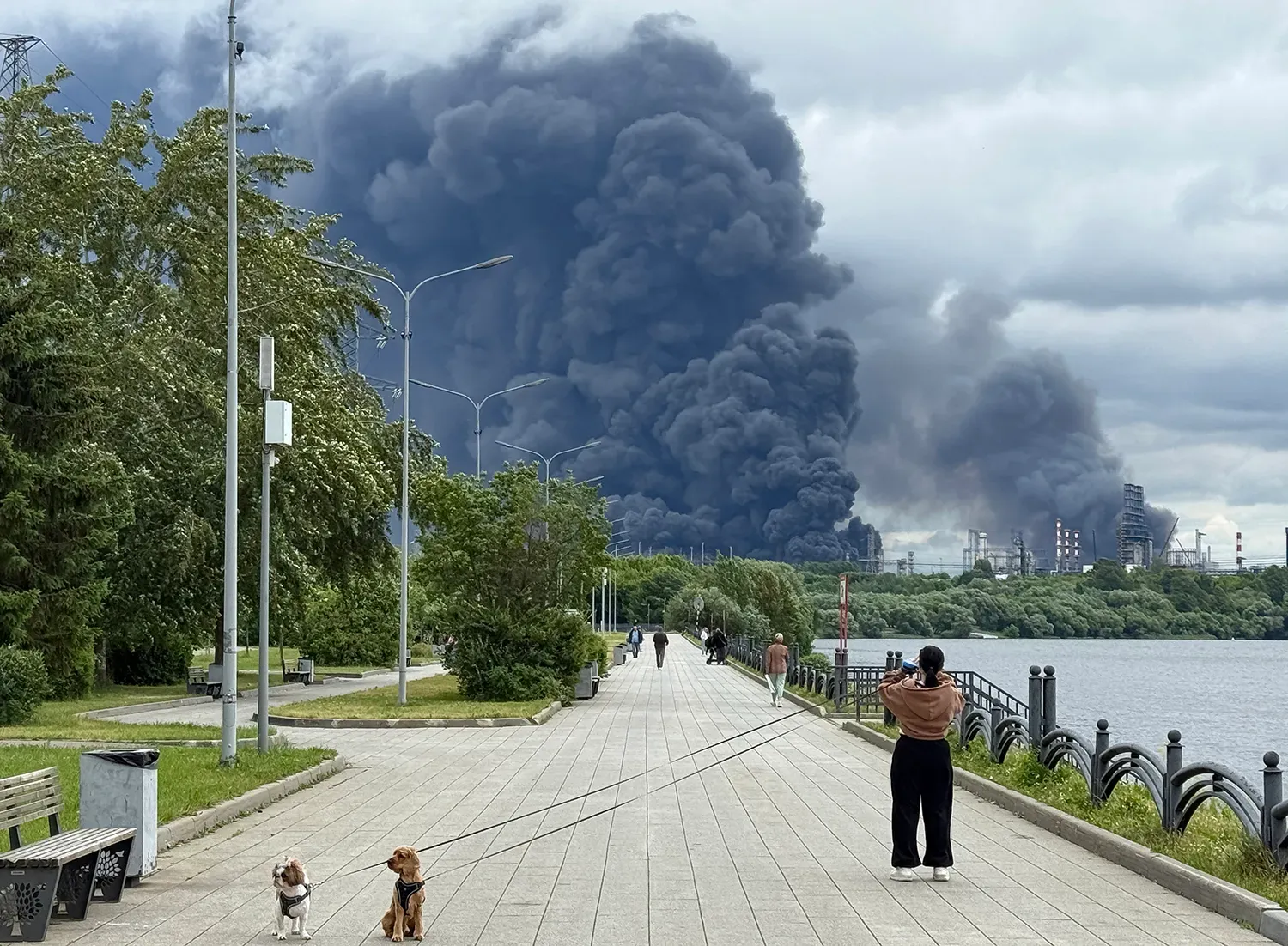
Deep strike capability — the ability to hit Russian oil refineries, ammunition depots, and logistics infrastructure well behind the front — has been the subject of repeated, protracted negotiations between Kyiv and its Western partners. Ukraine has requested long-range missiles. Western governments, led by the United States and Germany, have repeatedly approved limited versions of those requests while withholding the range or quantity that Kyiv's strategists say they need. The rationale offered has been escalation management. The effect has been to hand Moscow a protected rear area from which it can sustain the war indefinitely.
This is not a new observation. What is new is that Ukraine now has a strategy specific enough that the gap between what was promised and what was delivered can be measured against concrete military requirements — not just general wishes. That changes the political accountability calculus for Western governments. It is harder to claim support for Ukraine in principle while withholding the specific tools Ukraine's own strategy identifies as necessary.
The money question matters as much as the weapons question. Western governments have committed substantial figures in aid to Ukraine. But commitments and disbursements are different things, and multi-year pledges made in one political environment can be renegotiated, delayed, or quietly abandoned in another. Ukraine's theory of victory is built on assumptions about sustained resourcing. Those assumptions are not guaranteed by anything currently on paper.
Meanwhile, the political environment in several key donor countries has shifted in ways that favor shorter time horizons. In the United States, congressional support for Ukraine aid has become a recurring legislative fight rather than a baseline assumption. In parts of Western Europe, the cost of the war — including its contribution to energy price volatility, which the Iran conflict has compounded — has provided political cover for voices arguing that a negotiated settlement, even on unfavorable terms, is preferable to open-ended commitment. That argument is gaining audience precisely as Ukraine's strategy is becoming more coherent.
There is a structural irony in this. Ukraine needed years to develop a credible theory of victory. It needed to learn the battlefield, understand Russian operational patterns, and identify where pressure could actually produce strategic effect. That learning took time and lives. Now that the strategy exists, the political will in the West to see it through is eroding at roughly the same pace. The timing could not be worse for Kyiv — and it is not accidental. Russia's strategic calculus has always included the bet that Western democracies would lose patience before Moscow did.
The human cost of that bet being correct falls entirely on Ukrainians. This is worth stating plainly, because it tends to disappear in the abstraction of alliance politics. Every month the war continues under conditions of inadequate Western support is a month of Ukrainian deaths, displacement, and infrastructure destruction that a better-resourced strategy might have shortened. The people bearing that cost are not in Brussels or Washington. They are in Kherson, Zaporizhzhia, and Kharkiv.
Follow the money, and a further dynamic emerges. The defense industries of NATO member states have benefited substantially from the war — not through predatory intent, but through the simple mechanics of demand. Weapons systems that were understocked are now being replenished. Production lines that were idle are running. The economic incentive structure does not straightforwardly favor a quick Ukrainian victory. It favors sustained conflict at a level that keeps procurement flowing without escalating to direct NATO involvement. That incentive does not drive Western policy, but it does not cut against the current drift toward managed, indefinite support rather than decisive commitment.
The parallel with how the U.S. has handled the Iran war's costs and authorization is instructive — in both cases, executive commitments have outrun formal democratic accountability, and the populations bearing the direct cost of the conflict have had the least say in the decisions that shaped it. Democratic accountability for war is a problem that extends beyond any single theater.
None of this means Ukraine's theory of victory is wrong. The analysis coming out of Kyiv, as reported by Foreign Policy, suggests a strategic maturity that was not present in the early months of the full-scale invasion. Ukraine's military has learned to fight a peer adversary with asymmetric tools. Its targeting has become more precise, its use of drones more sophisticated, its understanding of Russian logistics more detailed. The theory is real.
What is also real is that a theory of victory without the resources to execute it is a plan, not a strategy. The distinction matters. Plans describe what you would do if conditions were right. Strategies account for the conditions as they actually are — including the political will of your partners. By that standard, Ukraine's theory of victory is still conditional. The condition is Western commitment that has not been made.
Western leaders who express support for Ukraine face a choice that is becoming harder to defer. Endorsing Ukraine's right to win while withholding the tools that winning requires is not a neutral position. It is a choice — one with consequences for the Ukrainians who will keep dying while that choice remains unmade. The theory of victory exists. The decision about whether to resource it is still, entirely, in Western hands.