
The Commerce Department cleared OpenAI's GPT-5.6 for public release through private meetings with company staff — before the administration's own AI safety standards have been written. That process is now the template.

Peer-reviewed research links private equity hospital acquisitions to more than 20,000 excess deaths. Regulators have had the data for years. The industry kept acquiring.
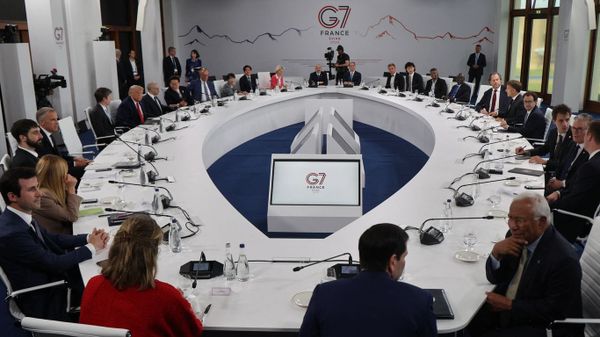
At the G7 summit in Évian-les-Bains, the CEOs of OpenAI, Anthropic, and Google DeepMind held bilateral meetings with heads of state and posed for official photographs in chairs reserved for presidents and prime ministers. Nobody voted for them.

Wall Street celebrated a US-Iran peace deal on Monday with a 4% drop in Brent crude and record stock closes. No sanctions have lifted. The Strait of Hormuz remains closed. The market is pricing in a Truth Social post.

A new Oxfam analysis finds 41 G7 energy billionaires gained $23.5 billion — $300 million per day — since the US-Israeli war against Iran began, while a UN projection estimates 32 million people will be pushed into poverty by the same conflict. The transfer of wealth is not coincidental. It is struct
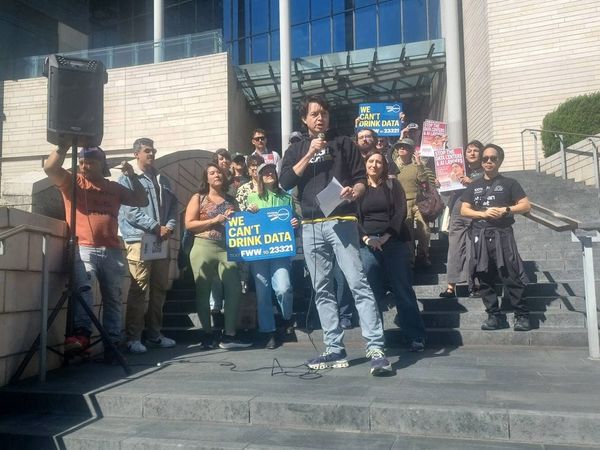
Seattle's City Council voted 9-0 to freeze large-scale AI data center construction — a unanimous rebuke from the city that built the tech industry, driven by 98,000 residents and a coalition with plans far beyond a one-year pause.
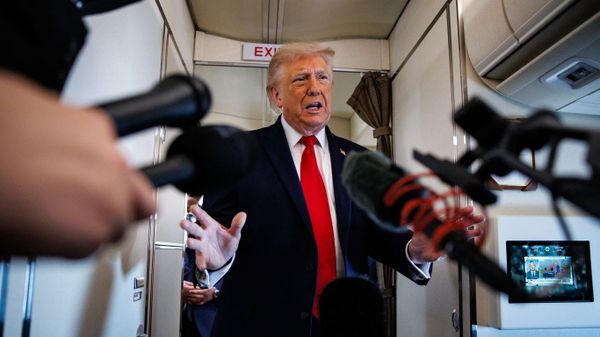
The White House is floating a government equity stake in AI giants like OpenAI and Anthropic. The companies lobbying for it are the same ones the government is supposed to regulate — and a shareholder has reasons a regulator should not have.
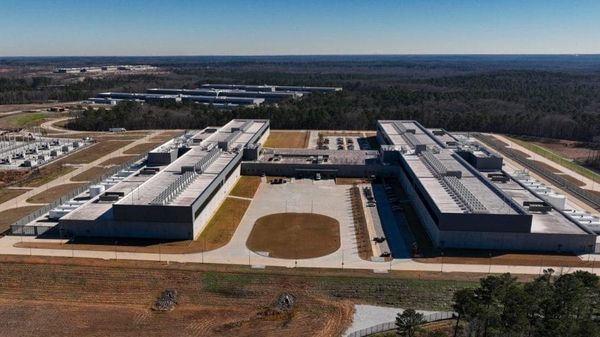
Eighty-six percent of voters in Monterey Park, California approved an outright ban on data centers — the first voter-passed prohibition in U.S. history. The AI infrastructure industry built its expansion on the assumption that communities had no real power to refuse. That assumption just failed its
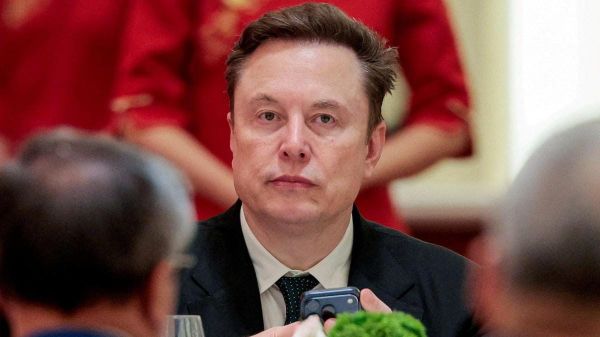
SpaceX is racing toward a stock market debut at a $1.75 trillion valuation. A significant share of that number is built on federal contracts awarded by agencies whose decisions are shaped by the company's owner — who also works inside the government.
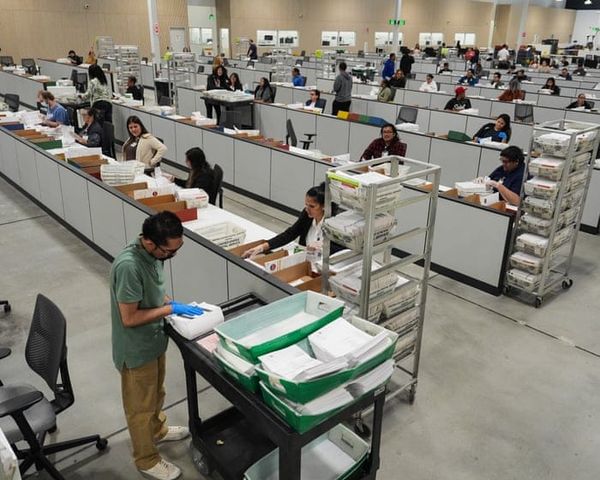
Tech billionaires lost the governor's race but won where it counts — in the down-ballot contests that control California's legislature, its regulatory agencies, and the AI policy agenda that the rest of the country is watching.

Ford just launched a $2 billion energy subsidiary to power AI data centers. The electricity gold rush is real — and so is the $40 billion cancellation wave it's already producing. The question isn't whether the boom is happening. It's who pays when it breaks.
Federal Reserve officials are refusing to accept AI productivity gains as a basis for monetary policy — and their pushback exposes who actually bears the cost when tech industry promises outpace delivery.
The SEC's three Republican commissioners have formally moved to kill the 2024 climate disclosure rule. The real casualty isn't climate policy — it's the mechanism that would have let investors verify whether corporate climate pledges were real.

We told you about the people cashing in on war. Here's the quieter version, the one happening in an election year: the operatives who run the campaigns, quietly wagering on the races they control — with information you won't see until it's too late to matter.

On prediction markets like Polymarket, you can wager real money on whether the U.S. is about to bomb someone. The unsettling part isn't that people do it. It's how rarely they lose.

The Gulf and the Pacific are sending the same message: too much value and too much vulnerability concentrated in too few places. The case for sovereign, decentralized infrastructure — now.