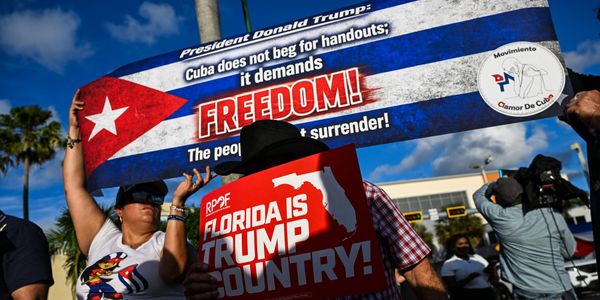
The Cuban diaspora lobby and AIPAC spent years building the political conditions for Trump's foreign policy. Both got what they wanted. Now both are dealing with consequences they cannot blame on their opponents.
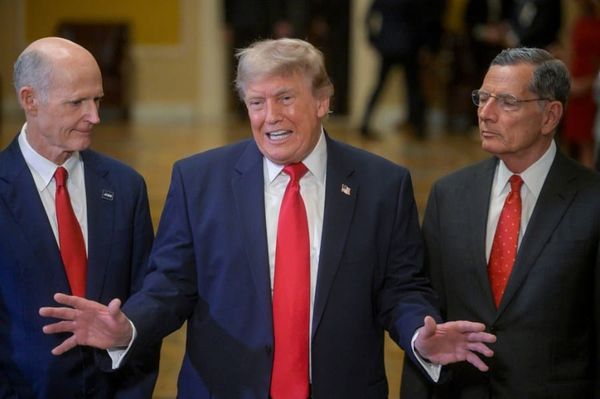
The Senate voted to constrain the Iran war on Tuesday. By Wednesday, it had reversed itself under presidential pressure. What happened in those 48 hours is not a political story — it's a constitutional one.
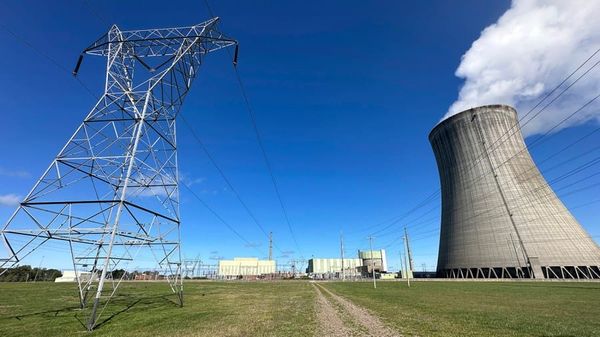
The NRC is proposing to eliminate the ALARA principle — the decades-old requirement that nuclear plants keep radiation exposure as low as reasonably achievable. The nuclear industry has lobbied for this for years. The people who will absorb the residual risk live in fence-line communities with no lo
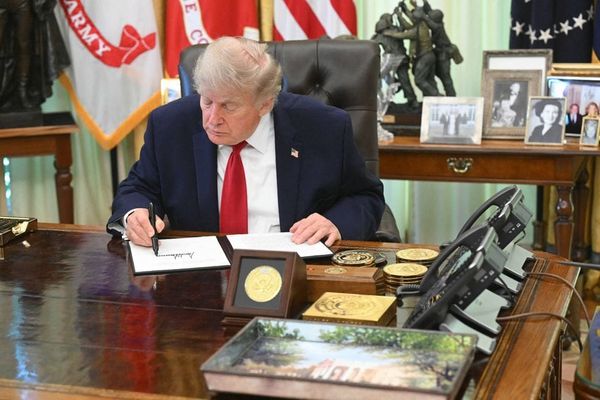
Trump's financial disclosures show he bought roughly $500,000 in Abbott Laboratories stock before his DOJ shut down a criminal investigation into the infant formula maker — a company linked to at least nine infant deaths and a $500,000 donor to his inaugural fund.

Independent analysis of the US-UK trade deal finds the NHS will divert billions from essential services to pay for American medicines — a structural transfer of purchasing power that analysts project will cause 229,000 excess deaths. Labour signed it anyway.
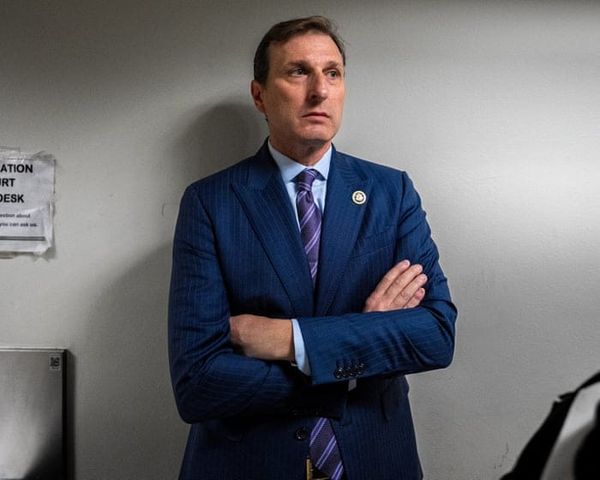
A Brooklyn coffee shop banned a pro-Israel congressman and faced a DOJ investigation within days. The legal theory is thin. The chilling effect is the point.
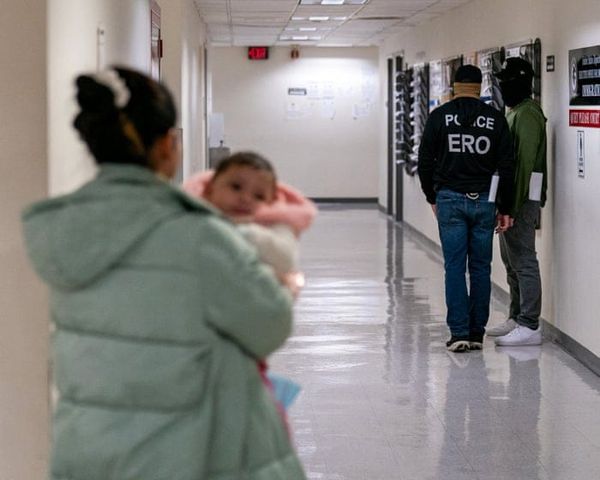
A federal appeals court cleared the way for DHS to use fast-track deportation nationwide, eliminating the geographic limits that have constrained expedited removal since 1996. The ruling removes the last procedural speed bump that forced immigration enforcement to slow down enough for courts to inte
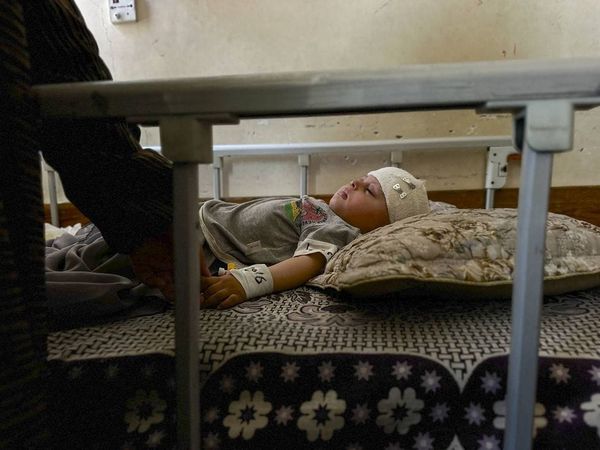
The UN's inquiry into Gaza documents 20,000 children killed, many by deliberate targeting. The report's structure is not a humanitarian appeal — it is an evidentiary record built for future prosecution.
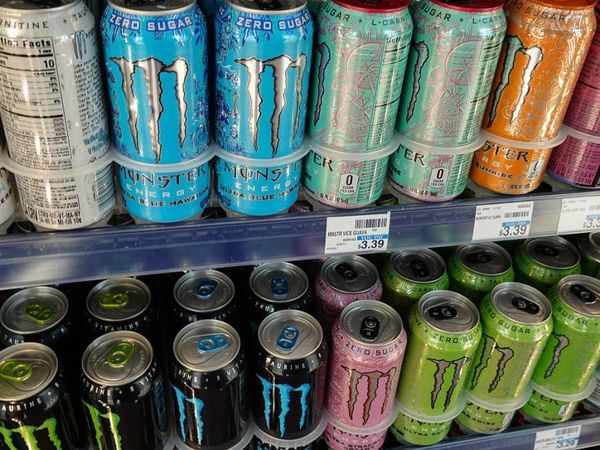
A federal judge reversed SNAP restrictions across 23 states, ruling the policy was designed to reduce enrollment, not fraud. The finding has implications far beyond food assistance.
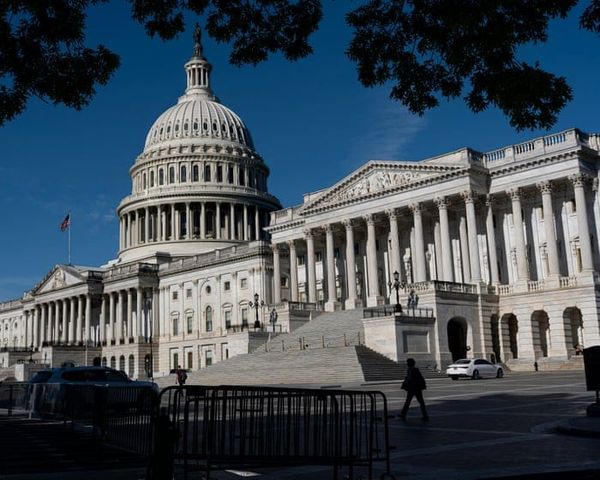
The White House shelved a bipartisan housing affordability bill — not because it failed, but because it was worth more unsigned. The price of delivery: a voting restriction law.
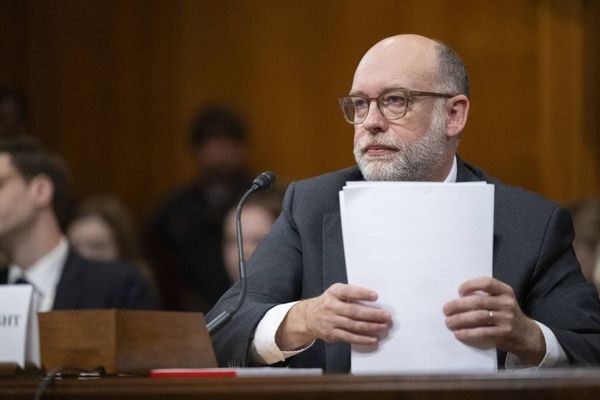
The Heritage Foundation told its donors this week that 53% of Project 2025 is now federal policy — and asked for money to finish the job. The fundraising email is not a boast. It is a receipt.
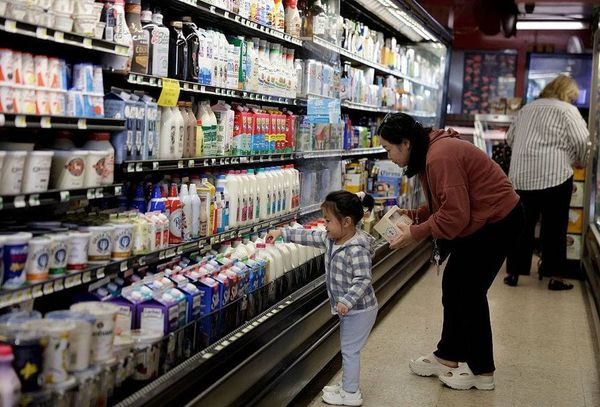
SNAP enrollment has fallen by more than 4 million people since the GOP's budget law took effect. The 808,000 children already cut from food assistance are the early data — the law's biggest structural changes don't kick in until 2027.
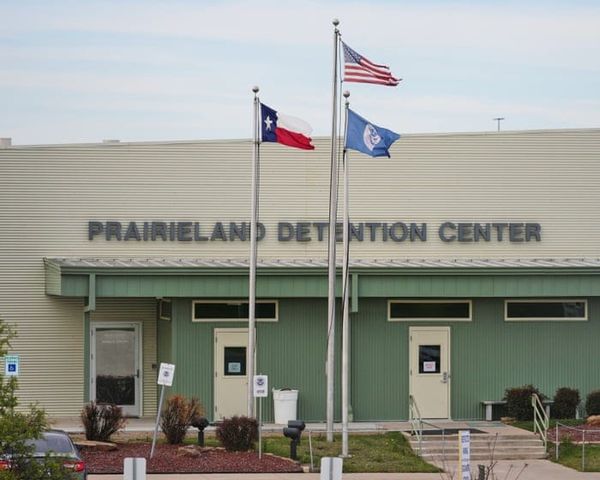
Nine anti-ICE protesters received terrorism sentences of at least 50 years each in Texas on Tuesday — the clearest test yet of whether the administration can reclassify political protest as domestic terror, and a warning to every organizer in America about the cost of showing up.
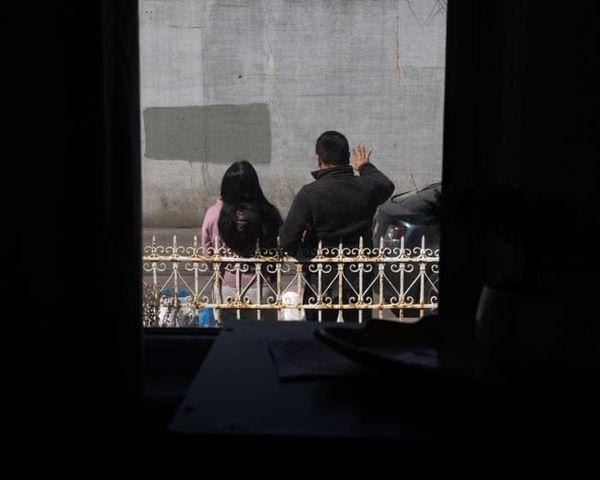
An investigation based on 1,200+ lawsuits finds that 93% of ICE street arrests over five months targeted Latinos — who make up 66% of the undocumented population in the region. The 27-point gap can't be explained by criminal history or flight risk. It can be explained by neighborhood and appearance.
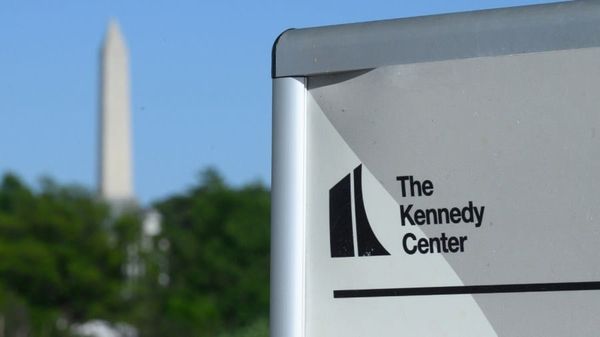
The Trump administration told a federal court it is still considering a 'partial closure' of the Kennedy Center — despite a ruling requiring it to stay open. The filing is less a legal argument than a stress test on judicial authority.

The ocean has absorbed 90% of the excess heat humanity has generated since industrialization. In 2025, marine heatwave days tripled compared to the early 1990s. The buffer that bought us time is failing — and the communities paying the price are the ones least responsible for creating the crisis.