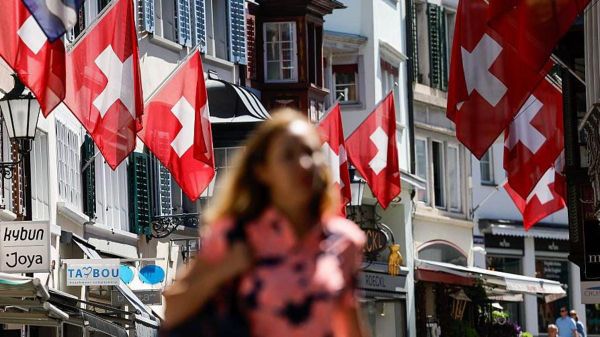
The Swiss People's Party is calling a proposed population cap a 'sustainability initiative.' The math only works if you deport people — and the party knows it.
The Trump family holds documented financial ties to the UFC. The UFC just held an event at the White House. The administration says there's no conflict. The math says otherwise.
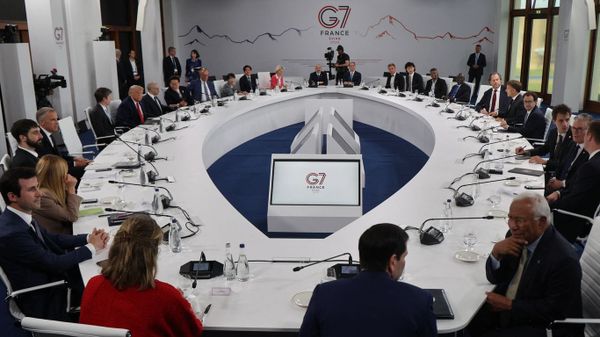
At the G7 summit in Évian-les-Bains, the CEOs of OpenAI, Anthropic, and Google DeepMind held bilateral meetings with heads of state and posed for official photographs in chairs reserved for presidents and prime ministers. Nobody voted for them.
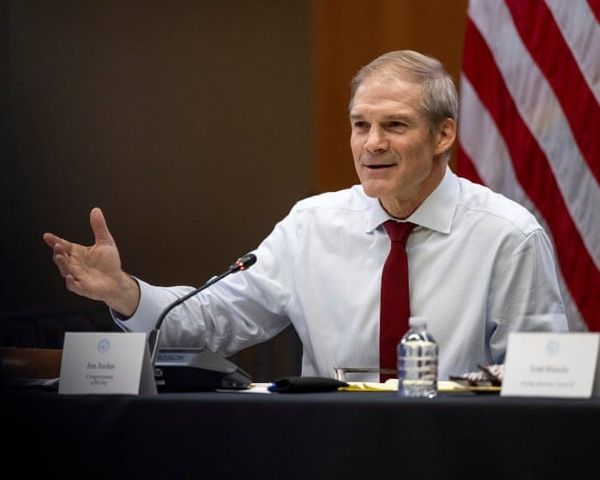
Dark money from ICE's largest private detention contractor flows to a political group tied to Jim Jordan — the congressman who chairs the committee that writes immigration enforcement law. The connection is legal, deliberate, and structurally coherent.
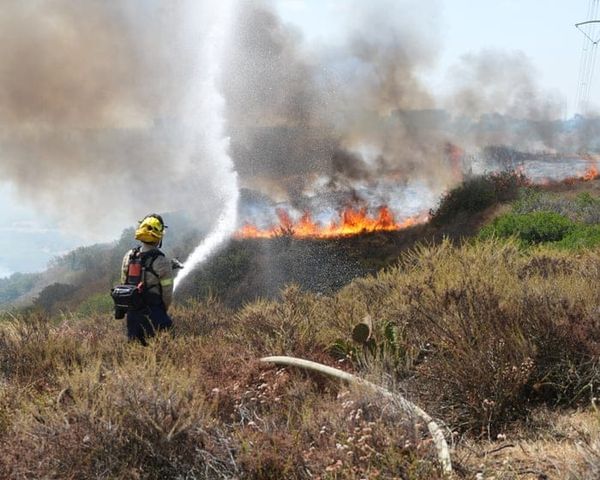
Polling shows two-thirds of Americans support climate action — a number that hasn't moved even as the White House dismantles climate policy. The collapse in press coverage isn't a reflection of public opinion. It's a decision, and it has beneficiaries.
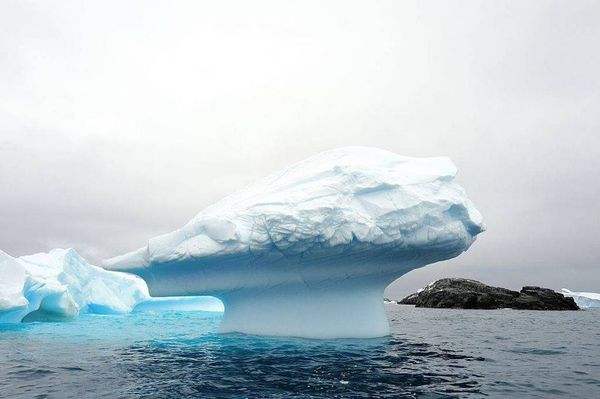
Temperatures at Antarctica's Trinity Peninsula hit 20°C above normal in the middle of winter, and a sea-ice mass the size of France has disappeared. Scientists say the loss is likely permanent — and the implications reach far beyond the poles.
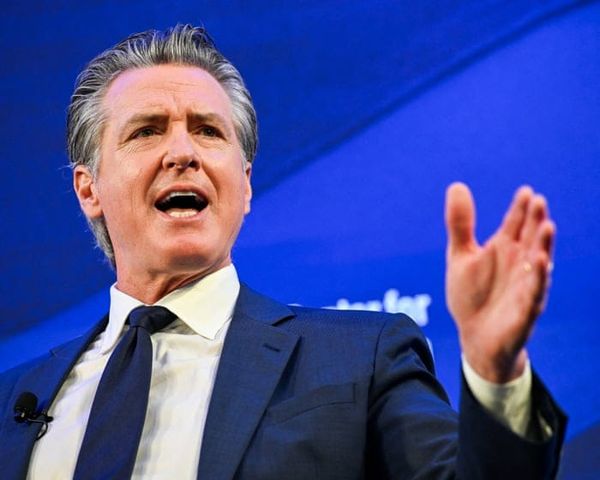
Gavin Newsom says Trump directed the DOJ to investigate him and his wife as he considers a presidential run. The pattern of using federal law enforcement against political rivals is no longer speculative — it's documented, escalating, and working exactly as designed.
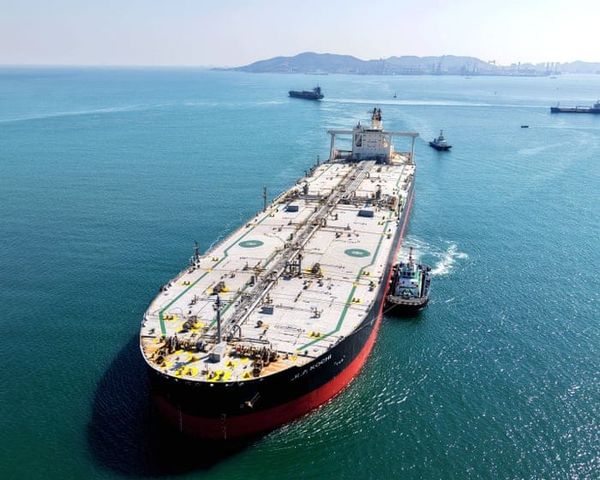
Wall Street celebrated a US-Iran peace deal on Monday with a 4% drop in Brent crude and record stock closes. No sanctions have lifted. The Strait of Hormuz remains closed. The market is pricing in a Truth Social post.
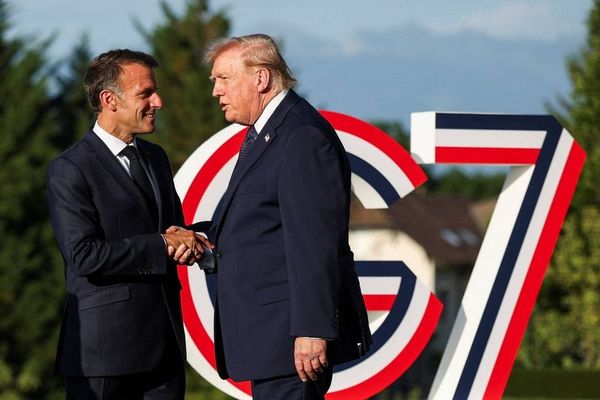
A new Oxfam analysis finds 41 G7 energy billionaires gained $23.5 billion — $300 million per day — since the US-Israeli war against Iran began, while a UN projection estimates 32 million people will be pushed into poverty by the same conflict. The transfer of wealth is not coincidental. It is struct
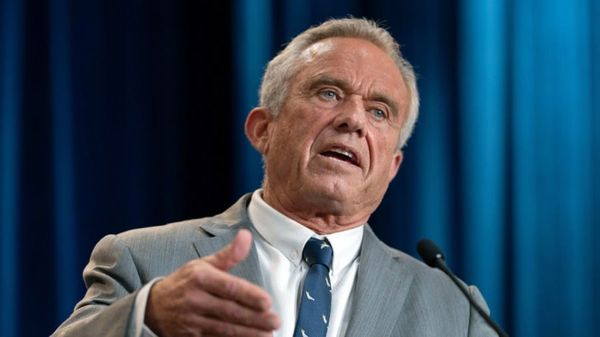
RFK Jr. is demanding that a scientific journal explain why it retracted a vaccine study he used to justify federal policy changes. The study was pulled for methodological failures. That sequence — policy first, retracted evidence second, pressure on the journal third — is the story.
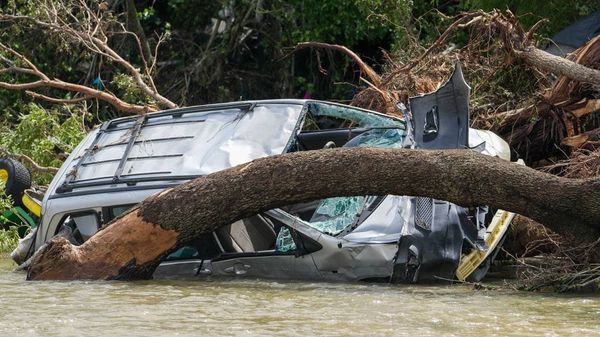
The world's largest banks increased fossil fuel financing by 8 percent last year, committing $906 billion to oil, gas, and coal projects — even as they dismantled the voluntary climate commitments they had made in public. A new report documents not a failure of implementation, but a failure of the e
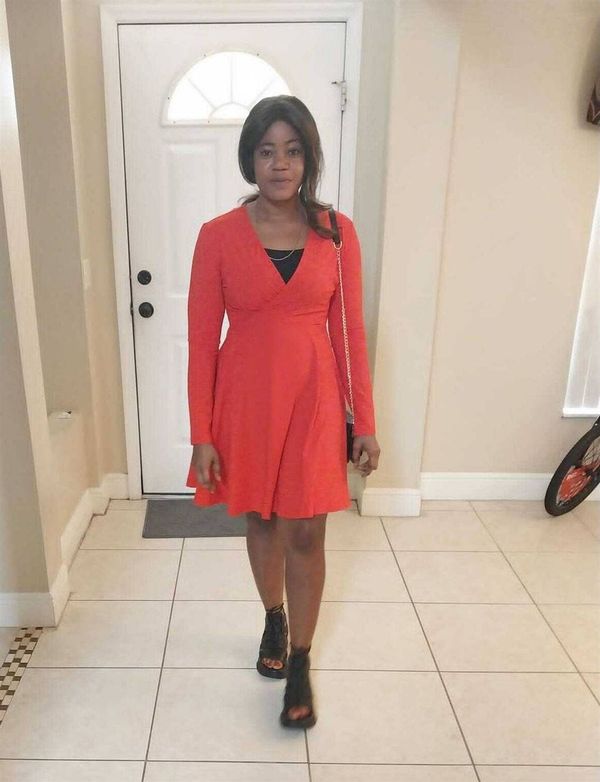
The Allegheny County medical examiner has ruled the death of Daphy Michel, a Haitian immigrant released from ICE custody into sub-freezing temperatures, a homicide. ICE's response has not changed since March.
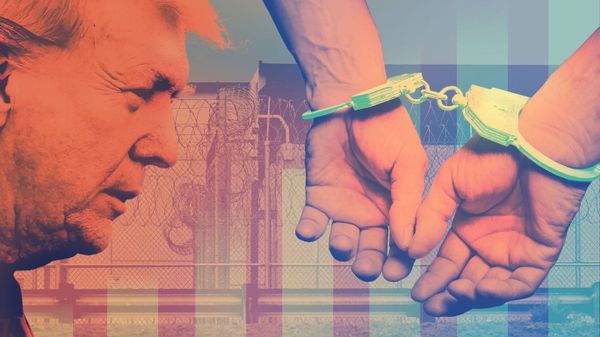
ICE spent $38 billion expanding detention capacity for a mass deportation campaign, then pulled back from the enforcement strategy that would have filled it. Daily detainee numbers have dropped to 58,000, leaving roughly 42,000 beds empty. The money is gone. The oversight isn't coming.
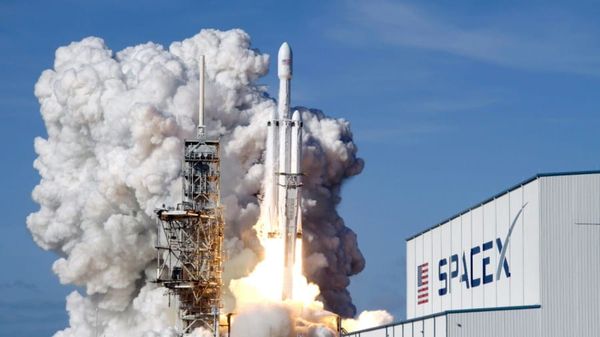
SpaceX's IPO made Elon Musk the world's first trillionaire. More than $15 billion in federal contracts helped build the company that got him there. The public funded the risk. Musk captured the reward.
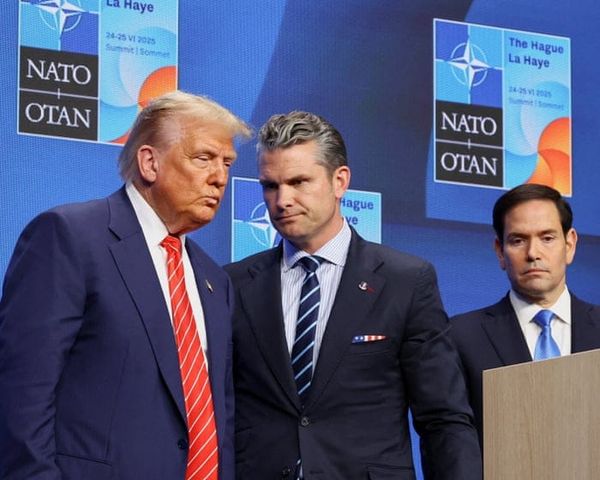
A survey across 15 European countries finds only one in ten people now see the U.S. as an ally. The real story isn't reputational damage — it's the permanent end of the psychological contract that made NATO deterrence function.
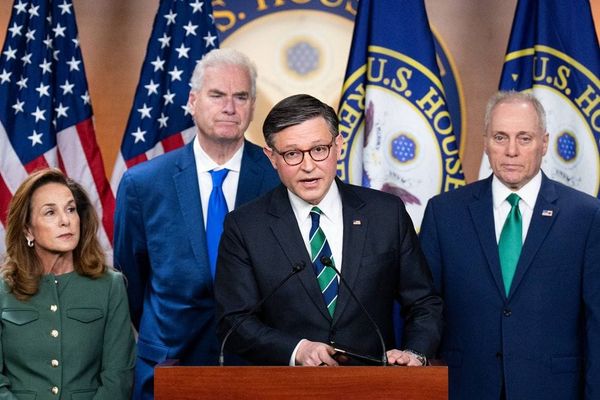
The Social Security trustees moved up the program's insolvency date by one quarter — and the report names the policies responsible. The same coalition now proposing to 'fix' the program caused the damage it is citing.