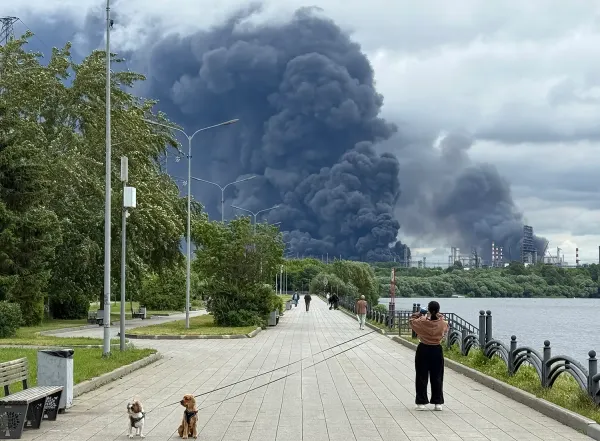
Ukraine has developed a coherent military strategy for ending the war on its terms. The limiting factor is not battlefield capacity — it is whether Western governments will commit the resources that strategy actually requires.
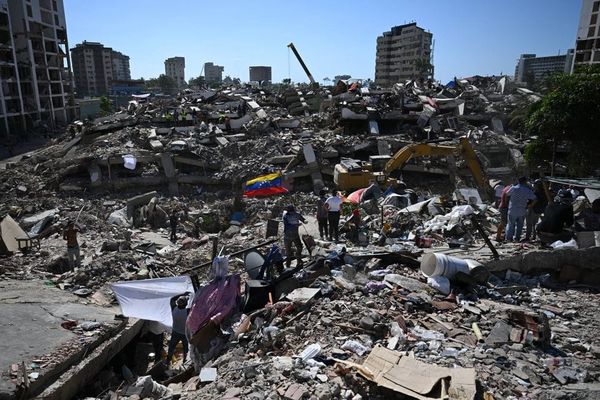
The U.S. seized at least $8 billion in Venezuelan oil wealth this year. After twin earthquakes killed 3,535 people and wiped out 32% of Venezuela's GDP, Washington pledged $300 million in relief — and kept the sanctions in place.

Iran struck three commercial ships in the Strait of Hormuz within 24 hours, unraveling a memorandum of understanding signed less than three weeks ago — and exposing the pattern of agreements that were always designed to be temporary.

Meta says users can opt out of its new AI image generation feature, which draws on public Instagram profile pictures. The opt-out arrives after the data is already scraped — which is exactly how the system was designed to work.

The Commerce Department cleared OpenAI's GPT-5.6 for public release through private meetings with company staff — before the administration's own AI safety standards have been written. That process is now the template.

Armed, masked agents swept through Los Angeles last summer and took people away. The official story ended there. For three families, it never did — and their accounts reveal a human cost that compounds long after the vans leave.

Peer-reviewed research links private equity hospital acquisitions to more than 20,000 excess deaths. Regulators have had the data for years. The industry kept acquiring.
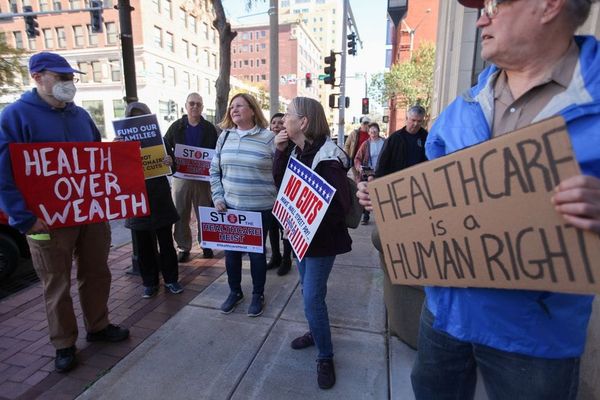
A Public Citizen analysis finds that 4.8 million ACA enrollees lost coverage because premiums doubled after subsidies expired — not because of fraud. The administration's alternative explanation doesn't survive contact with its own data.
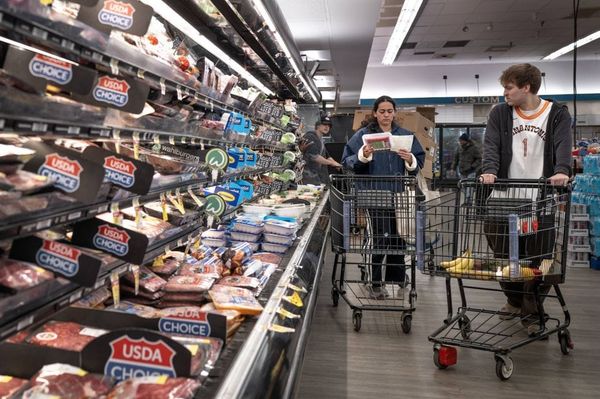
A Harris Poll finds 95% of Americans recognize an affordability crisis — and two-thirds, including nearly half of Republican voters, doubt the administration will fix it. The gap between lived economic reality and political leadership is no longer a perception problem. It's a policy choice.
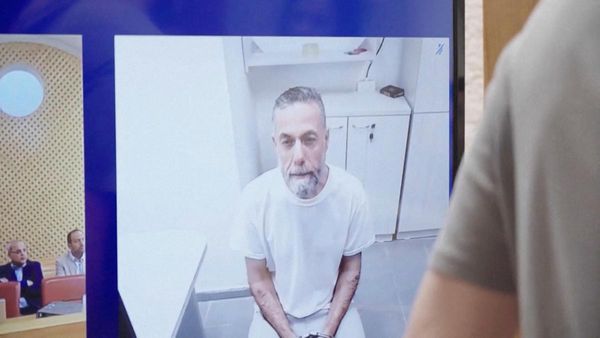
Dr. Hussam Abu Safiya's lawyer visited him in Israeli detention last week and could not recognize him. The abuse alleged is prohibited under international law. The system that permits it to continue has been built with U.S. complicity.
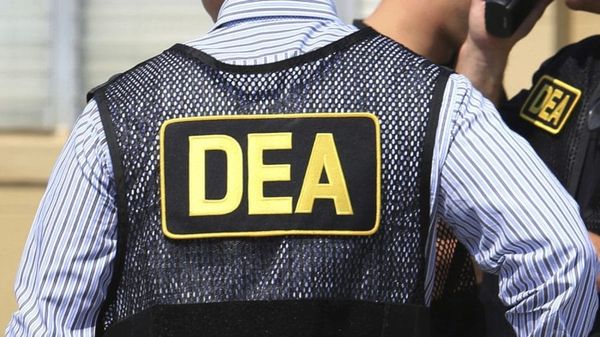
The DEA is emergency-scheduling a kratom compound as Schedule I — the same category as heroin. The pharmaceutical opioids that created the crisis kratom was filling face no equivalent action. That asymmetry is not accidental.
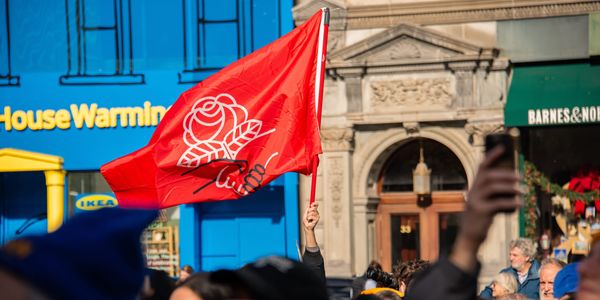
DSA chapters have helped elect more than 300 candidates nationwide — including in Wisconsin, Colorado, and states the Democratic establishment insists are hostile to the left. The coastal fringe story was never a demographic observation. It was a management tool.
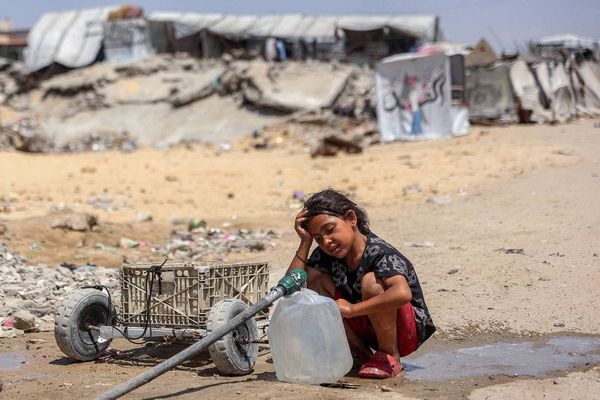
A water refilling station serving thousands of displaced families in Gaza City was bombed Monday, killing workers and forcing humanitarian groups to suspend operations. Nearly 90% of Gaza's water infrastructure has been destroyed — and the legal framework that prohibits targeting civilian survival s
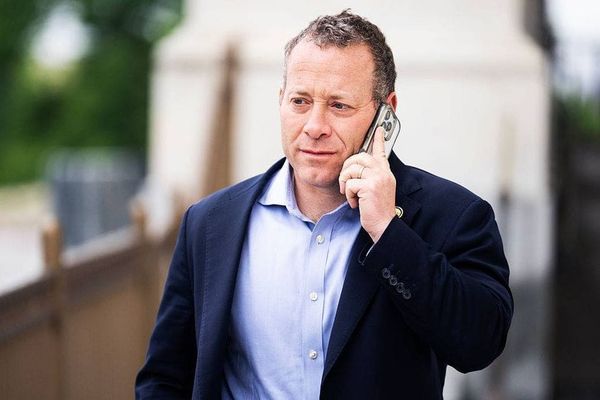
More than a dozen House Democrats signed a manifesto positioning themselves against democratic socialism. An investigation traced the money behind the movement — and found a donor list that reads like a Forbes index.
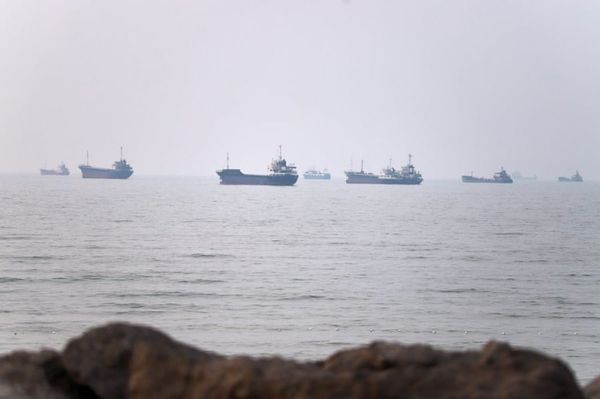
The U.S.-Iran Memorandum of Understanding excludes ballistic missiles — the weapons Iran has actually used against U.S. forces and regional populations — from its terms. The administration is calling that silence progress.
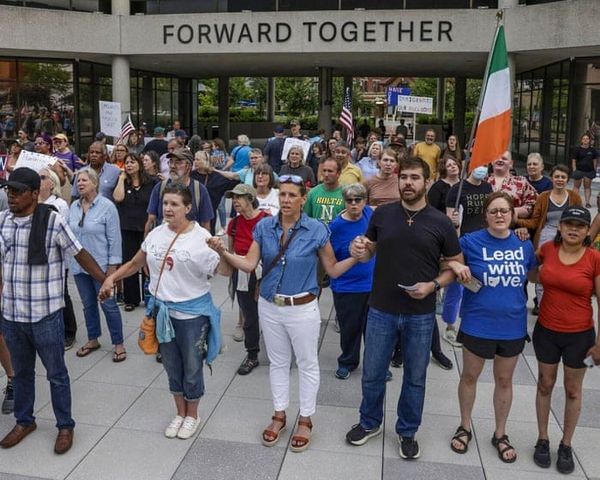
Springfield's Haitian community rebuilt a declining Ohio city — and survived a nationally televised smear campaign. Now the Supreme Court has stripped the legal status that let them stay, putting 400,000 people at risk of deportation.