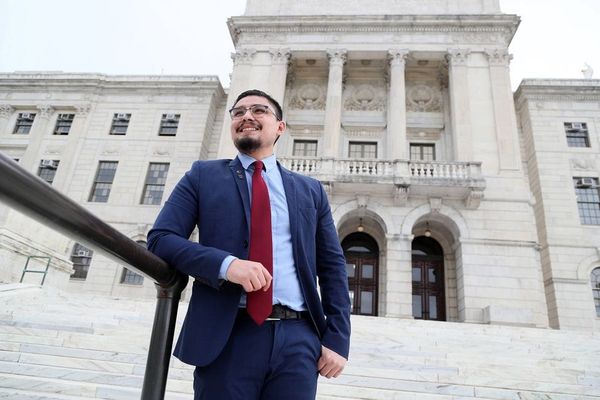
David Morales beat a sitting Providence mayor who vetoed rent stabilization. The win is the latest evidence that the democratic left's municipal strategy — target incumbents on housing, organize from the bottom up — is producing results.
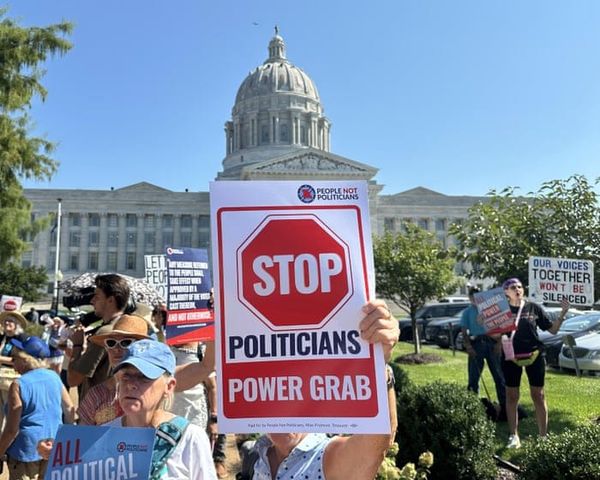
Justice Brett Kavanaugh's second block of Missouri's GOP-redrawn maps isn't a ruling against gerrymandering — it's a ruling against using courts as last-minute map-switching tools. The distinction is everything.
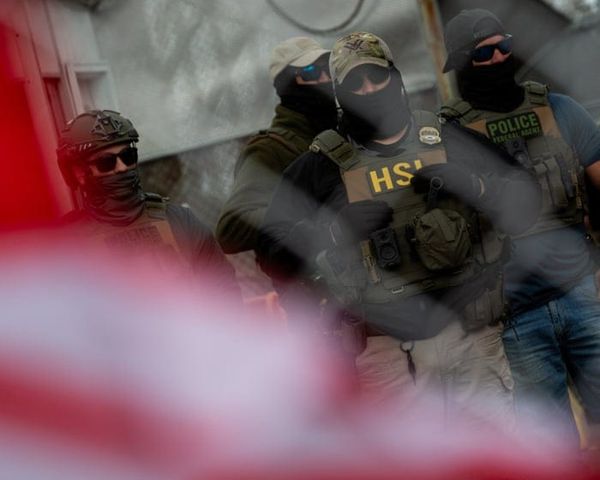
DHS is using an obscure customs law to pull phone records from journalists, nonprofits, and unions — bypassing courts that have already rejected the tactic and going directly to the platforms instead.
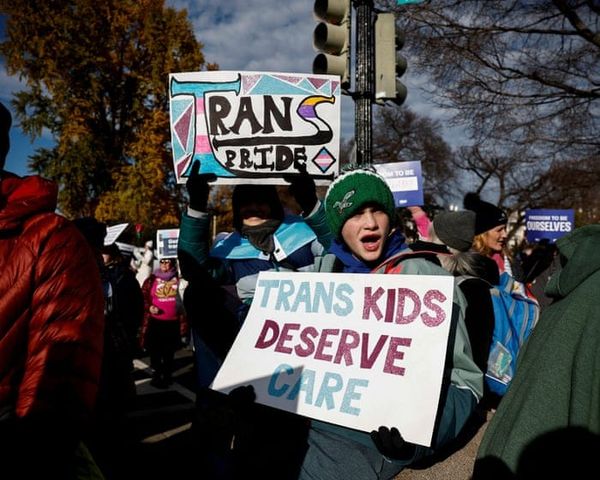
HHS published a report linking support for trans people to authoritarianism and political violence. Scientists say the methodology fails. The policy consequences — dozens of hospitals withdrawing care, a DOJ agreement with a New York hospital — are already real.

The Fifth Circuit ruled there is no constitutional right to clean water — dismissing Jackson residents' lawsuit and establishing precedent that forecloses one of the last remaining legal avenues for environmental justice claims.

Mayor Zohran Mamdani's new Office of Worker Power is the first municipal agency in the U.S. designed to help workers organize. It's also a direct challenge to the fiction that government is neutral in labor relations — and a template other cities have no excuse not to follow.
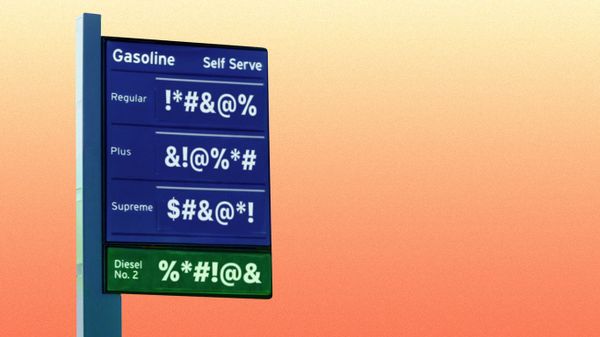
Brown University is tracking the Iran war's energy toll in real time: $100 billion and rising at $1 million every two minutes. The cost falls hardest on working families — and functions as a regressive tax nobody voted for.
Tarrant County Republicans plan to close 92 polling places before November — and their own party chairman already told you why: fewer sites means fewer votes from the communities that don't vote Republican.
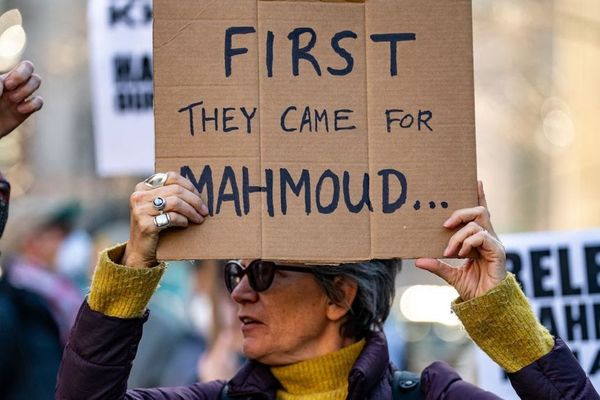
A federal judge ruled the administration violated the First and Fifth Amendments by trying to deport international students for pro-Palestinian speech — but the ruling's significance lies in what it reveals about the legal architecture the government was trying to build.
Anna Gomez called the threat to NBC's Kristen Welker 'dangerous.' The more precise diagnosis: the FCC's structure was always vulnerable to a president willing to use it this way.
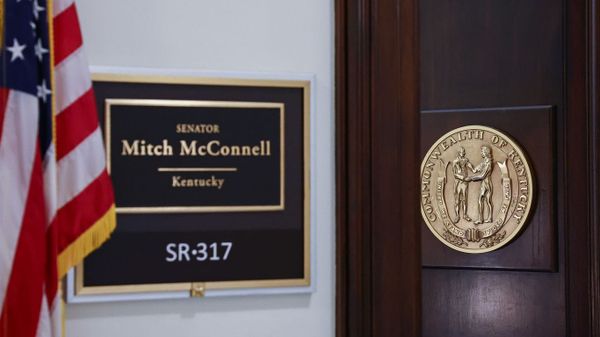
Gov. Andy Beshear's second demand letter to Mitch McConnell exposes something more durable than one senator's health crisis: the Senate has no formal mechanism to assess whether its members can do their jobs.
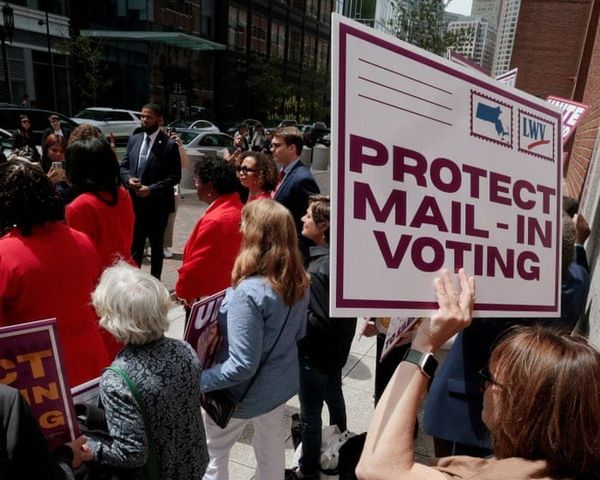
Twenty-four states are suing to block a presidential order restricting the Postal Service's role in mail-in voting. The lawsuit is really about whether the executive branch can use a federal agency to determine who gets to cast a ballot.
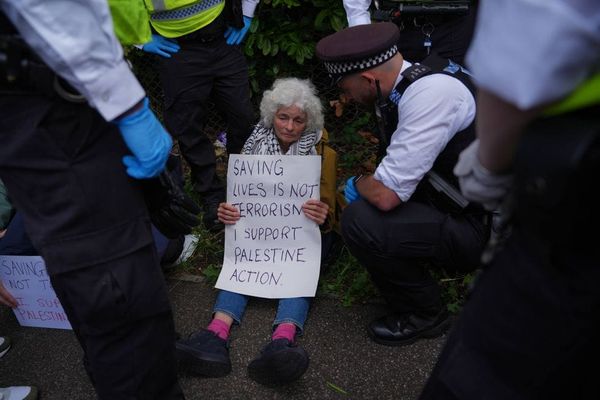
The Treasury Department has sanctioned Palestine Action — a British anti-genocide group known for property damage at weapons facilities — as a Specially Designated Global Terrorist entity. A leading First Amendment group warns the move criminalizes constitutionally protected association for American
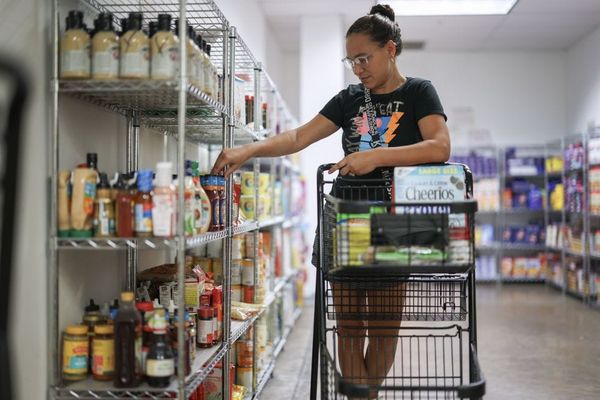
SNAP participation has hit a 17-year low, with 5 million fewer Americans enrolled since the GOP's One Big Beautiful Bill passed. The deepest cuts are in Republican-represented states — and the worst provisions don't kick in until 2027.
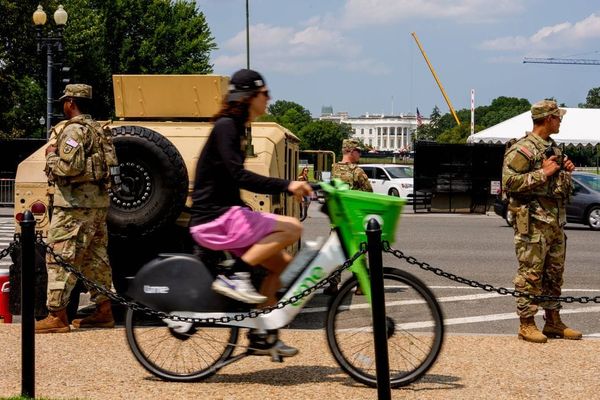
A Reuters investigation finds that National Guard troops in DC appeared in just 1.3% of criminal cases — mostly in wealthy, low-crime neighborhoods — while violent crime rose 4% and the deployment cost taxpayers millions per day.

Max Lederer spent 33 years at Stars and Stripes and nearly 20 as its publisher. His public departure over Pentagon editorial pressure is the clearest signal yet that the military's independent newspaper no longer is.