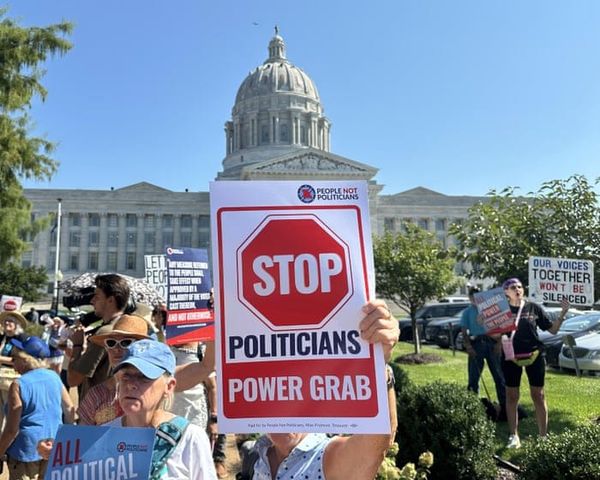
Justice Brett Kavanaugh's second block of Missouri's GOP-redrawn maps isn't a ruling against gerrymandering — it's a ruling against using courts as last-minute map-switching tools. The distinction is everything.
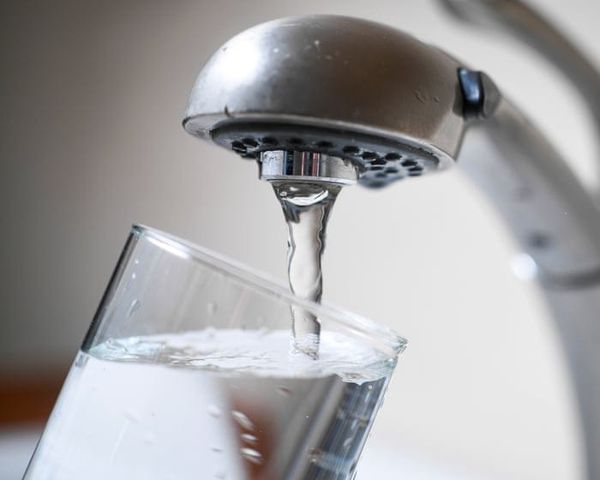
The Fifth Circuit ruled there is no constitutional right to clean water — dismissing Jackson residents' lawsuit and establishing precedent that forecloses one of the last remaining legal avenues for environmental justice claims.
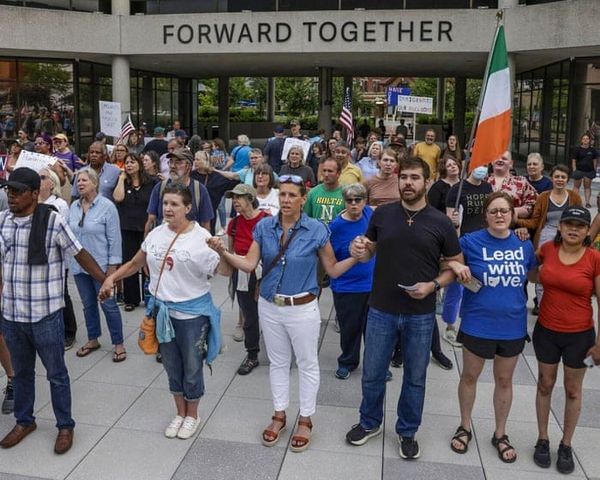
Springfield's Haitian community rebuilt a declining Ohio city — and survived a nationally televised smear campaign. Now the Supreme Court has stripped the legal status that let them stay, putting 400,000 people at risk of deportation.
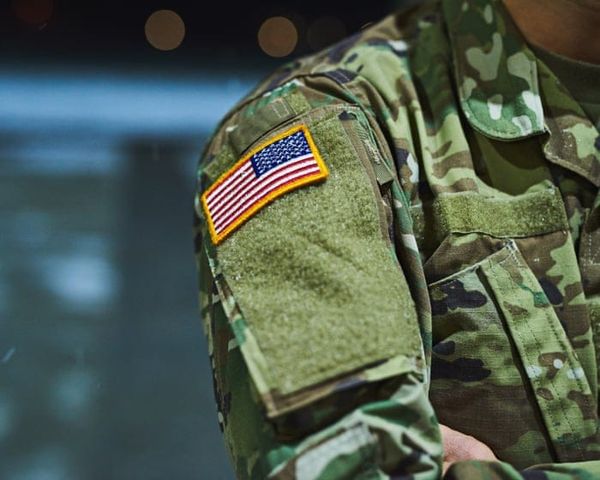
A split appeals court ruling protects transgender troops currently in uniform while allowing the Pentagon to bar new enlistment — a two-tier structure that preserves individuals while systematically eliminating the group they belong to.

Three rulings landed on May 21 — none of them the term's marquee cases, but each one a window into how this Court reads a statute, when it chooses to look away, and who pays when it does.
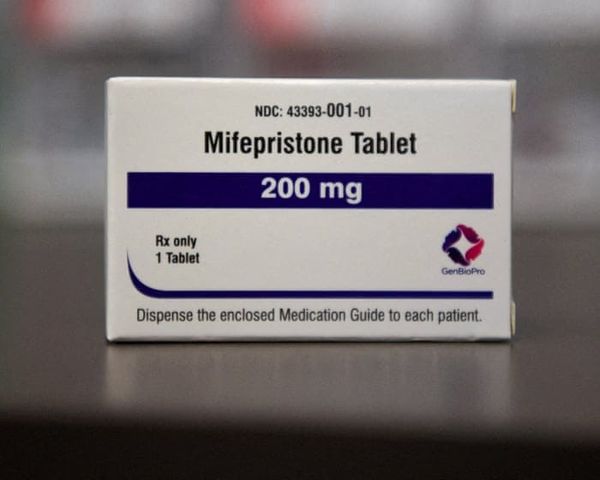
The Supreme Court temporarily blocked a Fifth Circuit ruling that would have ended mail-order mifepristone prescriptions. The order, signed by Samuel Alito, preserves access for now — but the legal architecture to eliminate medication abortion nationwide is still intact and moving forward.
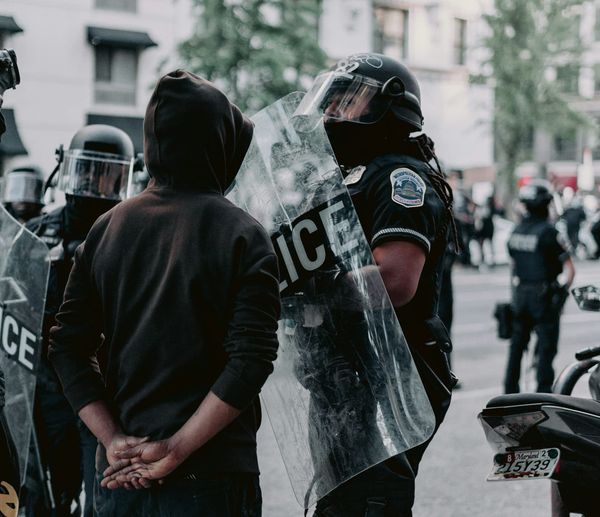
Qualified immunity is a Supreme Court-created doctrine that shields police officers from civil lawsuits even when they violate constitutional rights — unless the victim can find a prior case with nearly identical facts.
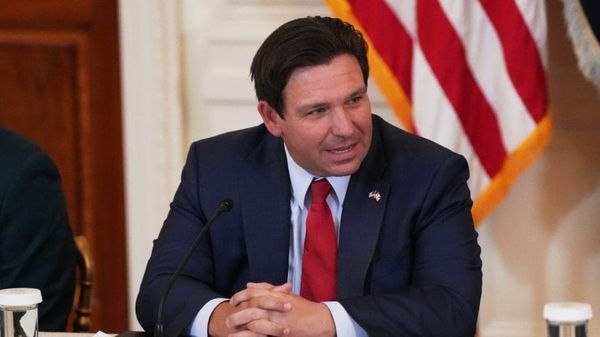
The Florida legislature fast-tracked a new congressional map that would give Republicans a 24-4 House advantage. The legal mechanism that made it viable was built by the Supreme Court — and every Republican statehouse in the country is watching.
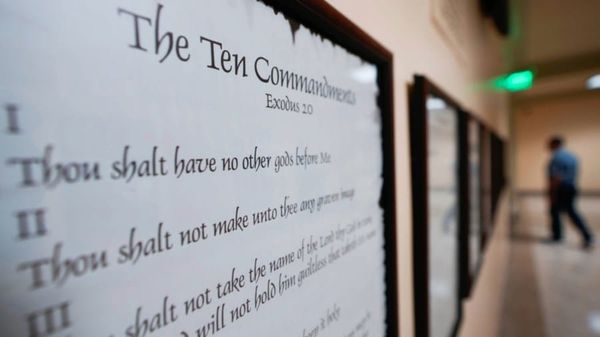
The Fifth Circuit's 9-8 ruling allowing Ten Commandments displays in Texas classrooms wasn't a legal argument that won — it was a judicial majority that was built. Trump's appellate appointments made this outcome possible.
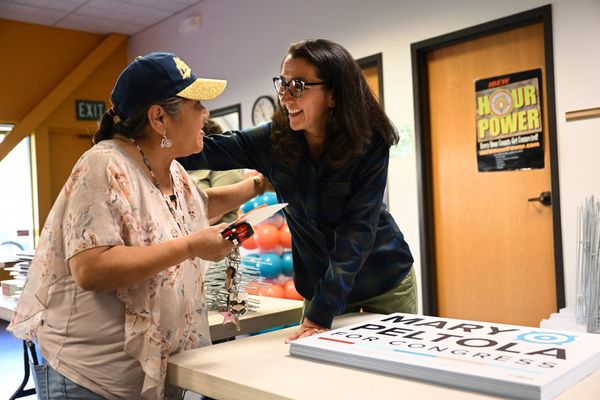
A Supreme Court ruling on mail ballot grace periods could disenfranchise thousands of Alaskan voters — and the communities most exposed are rural and Indigenous, the ones the postal system has always served worst.
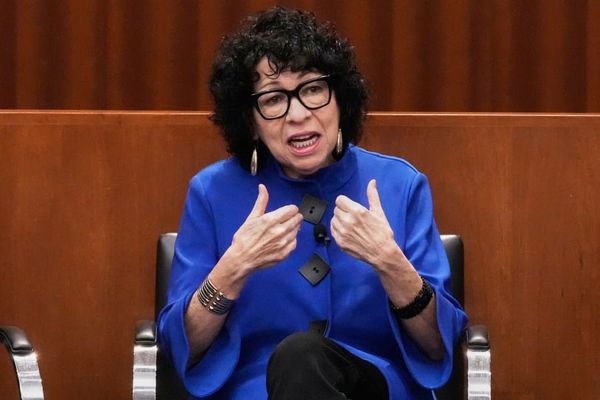
Justice Sotomayor called AI prediction of Supreme Court rulings 'a very bad thing.' She's right — but the real problem isn't that the court is predictable. It's what that predictability proves about whether law or ideology is driving the decisions.

The 14th Amendment guarantees birthright citizenship and equal protection under the law. A Supreme Court case could eliminate citizenship for millions of Americans born to undocumented parents.
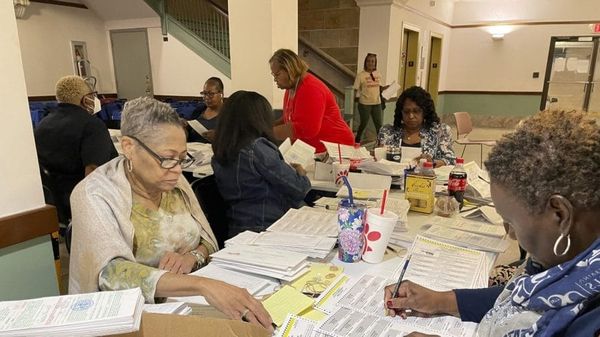
The Supreme Court could eliminate mail ballot grace periods used by 3.2 million voters in 2020, forcing states to reject ballots delayed by postal service failures beyond voters' control.
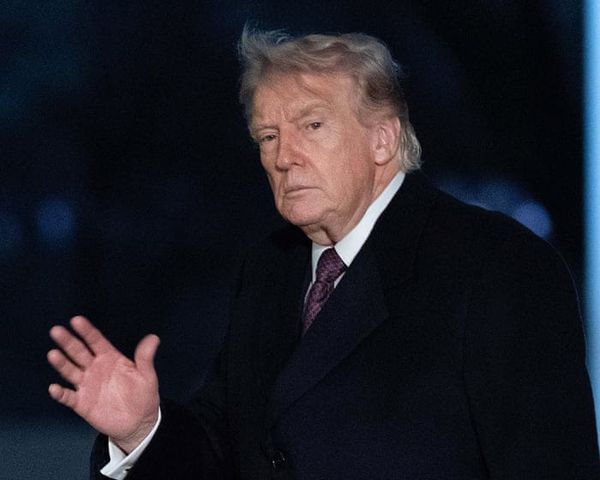
Trump's 2 AM declaration of 'absolute right' to override the Supreme Court on tariffs reveals his blueprint for undermining judicial independence ahead of the 2028 election.