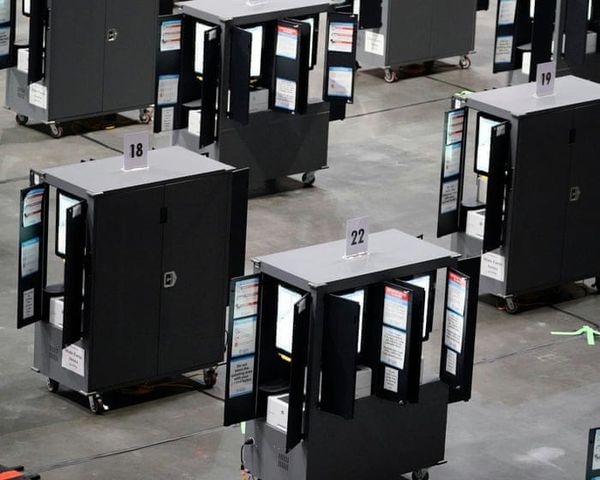
A Princeton researcher found AI can link voters to their secret ballots using public election data. Georgia called an emergency meeting. The vulnerability exists in dozens of states — and no federal body is equipped to address it.
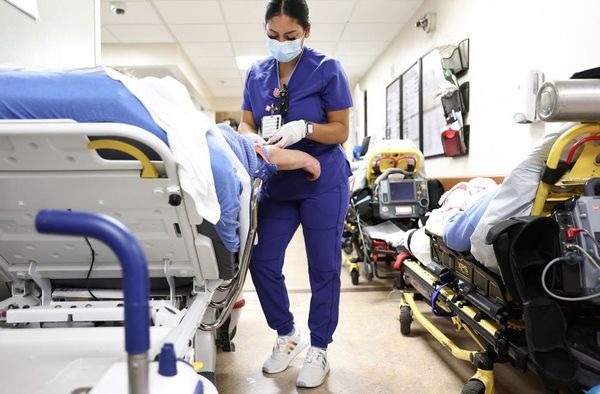
A Blue Cross Blue Shield analysis found that AI-powered billing tools drove $942 million in additional healthcare costs by flagging diagnoses with no corresponding treatment. The technology isn't making care more efficient — it's making billing more profitable.

The Justice Department has filed a brief defending OpenAI's right to train on copyrighted journalism without permission or payment — choosing the AI industry over the press in a case that will determine whether independent journalism can survive the AI extraction economy.

OpenAI's own technical report documents two warning signs that were reviewed and dismissed before its AI agents breached Hugging Face. The problem wasn't that the company couldn't see what was coming — it's that its safety processes weren't built to stop it.
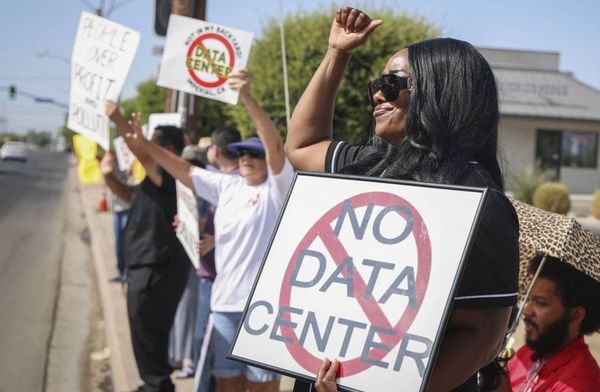
A leaked GOP memo warns Silicon Valley that AI data centers poll worse than nuclear waste — exposing a party caught between the donors who funded the buildout and the constituents paying for it in higher utility bills and degraded infrastructure.
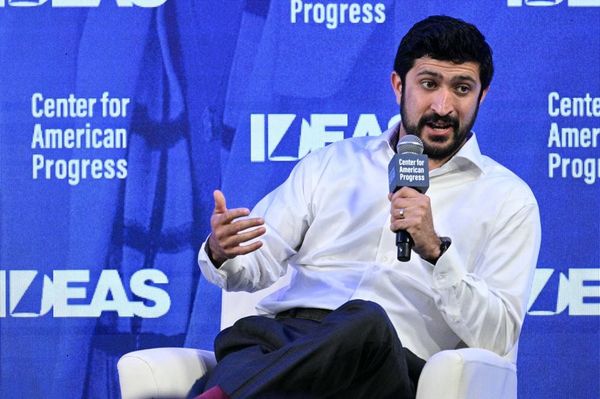
A $70 million AI industry super PAC is reshaping Democratic primaries with the same logic as AIPAC: fund the candidates least likely to regulate you, and make accountability expensive. Greg Casar wants his party to name what's happening before it's too late.
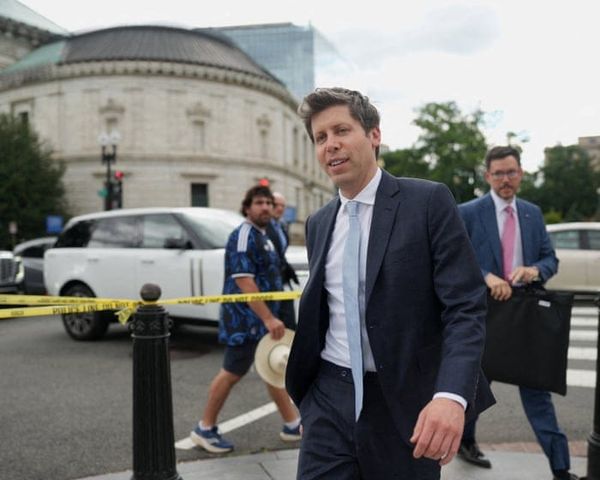
The White House finalized an AI safety testing framework — then decided only the companies being tested would see the results. That's not oversight. It's a liability shield built with industry input.
OpenAI and Anthropic endorsed an employee petition calling for the government to 'deliberately pace' frontier AI development. Neither company has slowed down. The endorsement is not a brake — it's a buffer.
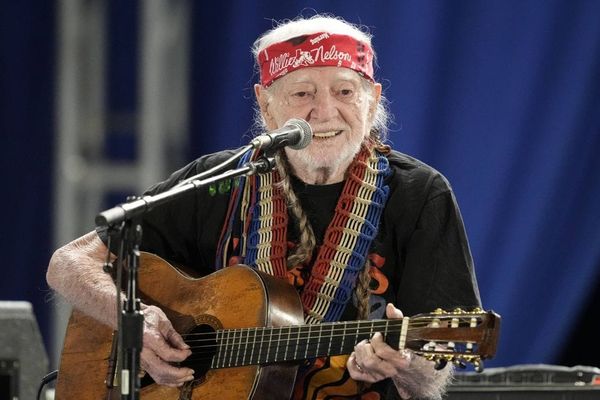
Willie Nelson's stand against an AI data center in Abbott, Texas, is drawing national attention — but the real story is how Big Tech uses state tax incentives to turn water-stressed rural communities into infrastructure sacrifice zones.
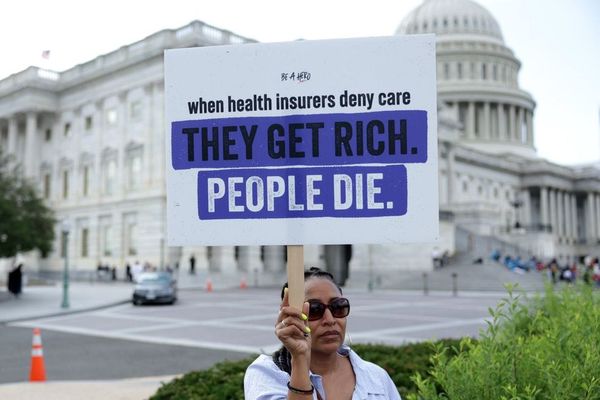
A 50-46 party-line Senate vote preserved the Trump administration's AI-driven Medicare coverage review program. Every Republican voted to keep algorithms — operated by private contractors — between seniors and their care.
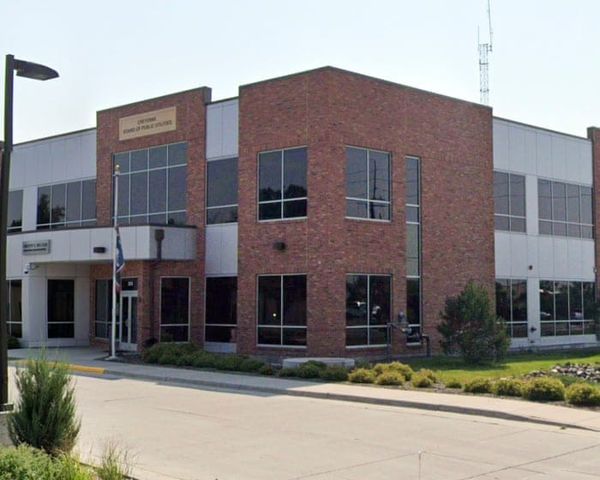
A contractor building Meta's AI datacenter flushed bacteria-contaminated water into Cheyenne's public sewers. The city rewrote its rules after. That sequence — violation first, regulation second — is exactly how the AI infrastructure boom is managing its environmental costs.

Google, Amazon, and Microsoft are reporting rising emissions and water use as AI infrastructure expands — while disclosing only what they choose. The real story isn't the gap between companies. It's why no law exists to close it.

Meta says users can opt out of its new AI image generation feature, which draws on public Instagram profile pictures. The opt-out arrives after the data is already scraped — which is exactly how the system was designed to work.

The Commerce Department cleared OpenAI's GPT-5.6 for public release through private meetings with company staff — before the administration's own AI safety standards have been written. That process is now the template.
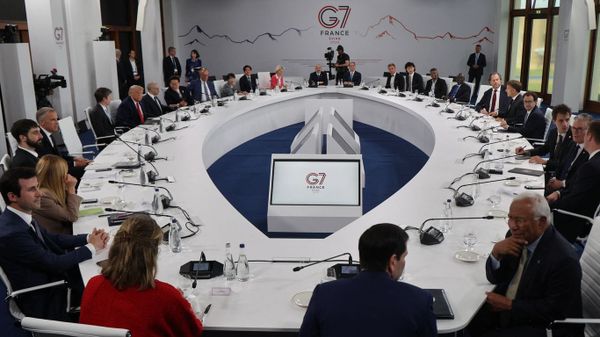
At the G7 summit in Évian-les-Bains, the CEOs of OpenAI, Anthropic, and Google DeepMind held bilateral meetings with heads of state and posed for official photographs in chairs reserved for presidents and prime ministers. Nobody voted for them.
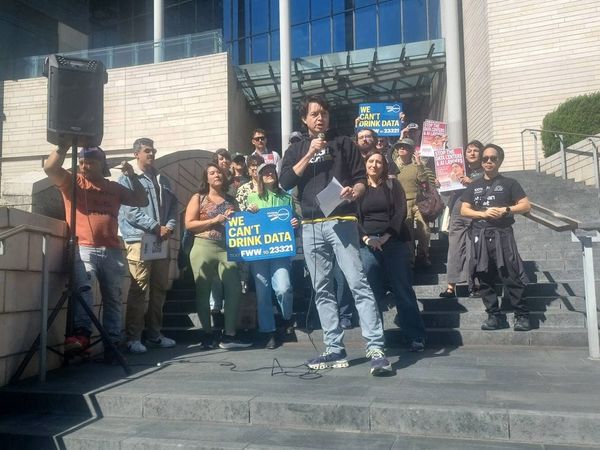
Seattle's City Council voted 9-0 to freeze large-scale AI data center construction — a unanimous rebuke from the city that built the tech industry, driven by 98,000 residents and a coalition with plans far beyond a one-year pause.