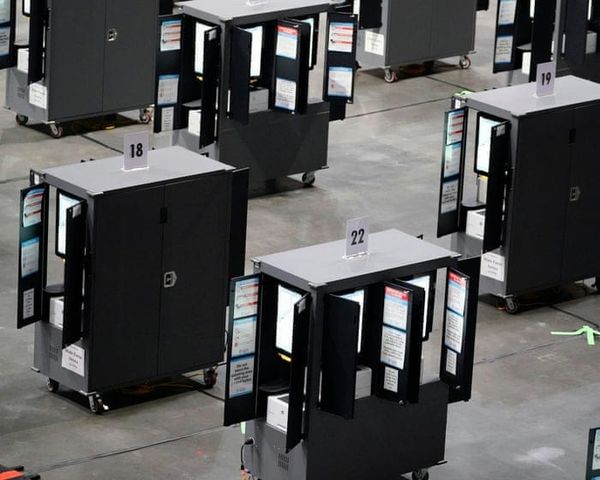
A Princeton researcher found AI can link voters to their secret ballots using public election data. Georgia called an emergency meeting. The vulnerability exists in dozens of states — and no federal body is equipped to address it.
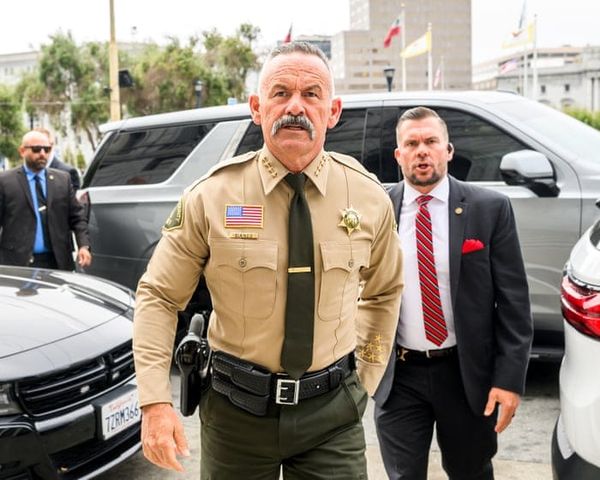
California's Supreme Court has ordered Riverside County Sheriff Chad Bianco to return more than 650,000 ballots his department seized in a voter fraud inquiry — ruling that law enforcement control over ballots is itself a threat to election integrity.
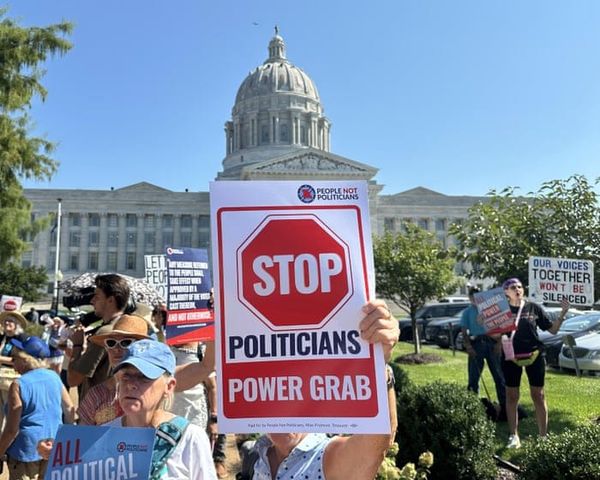
Justice Brett Kavanaugh's second block of Missouri's GOP-redrawn maps isn't a ruling against gerrymandering — it's a ruling against using courts as last-minute map-switching tools. The distinction is everything.

Tarrant County Republicans plan to close 92 polling places before November — and their own party chairman already told you why: fewer sites means fewer votes from the communities that don't vote Republican.
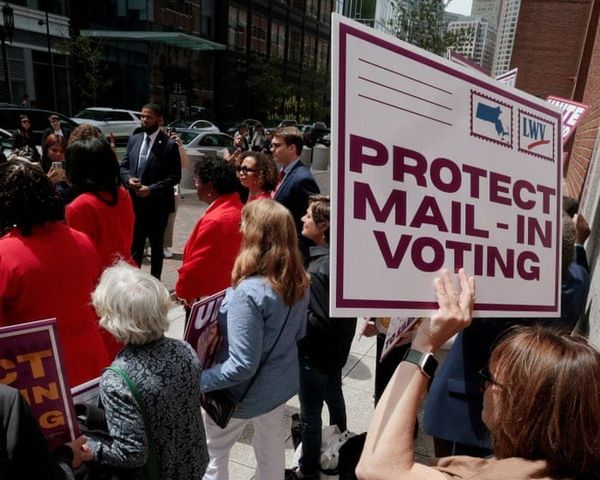
Twenty-four states are suing to block a presidential order restricting the Postal Service's role in mail-in voting. The lawsuit is really about whether the executive branch can use a federal agency to determine who gets to cast a ballot.
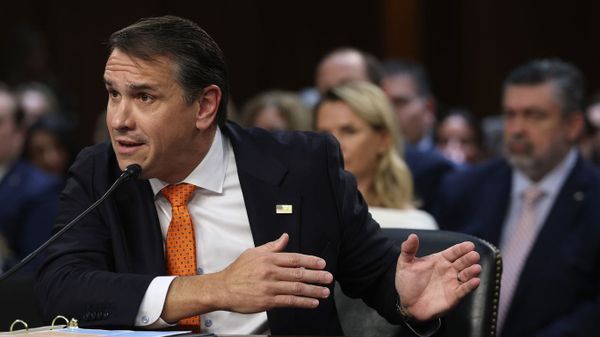
Todd Blanche's refusal to rule out armed federal agents at polling places isn't ambiguity — it's a roadmap. The administration has already deployed agents near voting sites in Texas and California. The only thing standing between that precedent and November is a set of pending lawsuits.

The Election Assistance Commission — the only federal body that certifies voting machines — has lost its last independent Democratic members. The 2026 midterms are 16 months away.
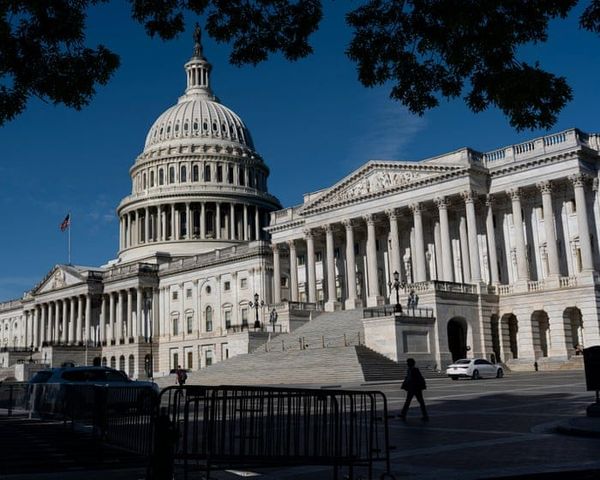
The White House shelved a bipartisan housing affordability bill — not because it failed, but because it was worth more unsigned. The price of delivery: a voting restriction law.
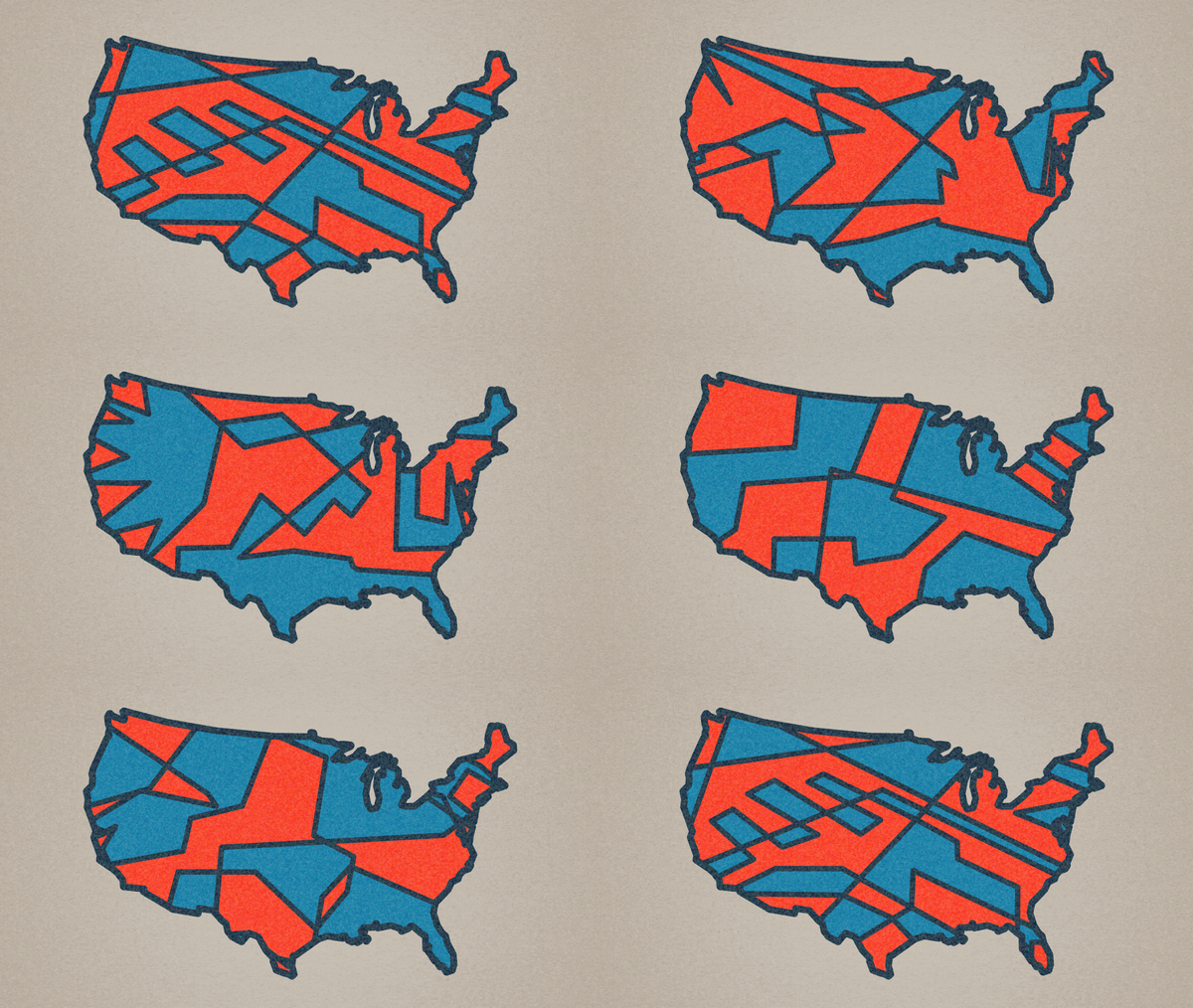
Forward Majority is spending $30 million on two dozen state legislative races this cycle — betting that eight obscure statehouse contests will determine who draws the congressional maps that shape House control through 2032. The real 2026 election is the one most voters aren't watching.

Brad Raffensperger's primary defeat completes a five-year project to remove every Georgia Republican who certified the 2020 election — replacing legal obligation with loyalty as the job requirement for election officials.

Louisiana Republicans passed a new congressional map eliminating the majority-Black sixth district drawn under federal court order — shifting the state's delegation to 5-1 Republican and testing how much enforcement power the weakened Voting Rights Act still has.

Virginia's Supreme Court struck down a Democratic redistricting map, erasing four expected House flips before a single ballot is cast. The ruling is the latest in a decade-long Republican project to lock in legislative majorities through courts — not campaigns.
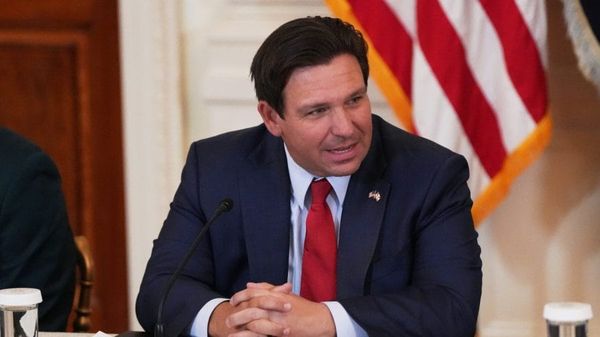
The Florida legislature fast-tracked a new congressional map that would give Republicans a 24-4 House advantage. The legal mechanism that made it viable was built by the Supreme Court — and every Republican statehouse in the country is watching.

Gerrymandering lets politicians choose their voters instead of the other way around. Here's how the system works, which states are most affected, and what's being done to stop it.
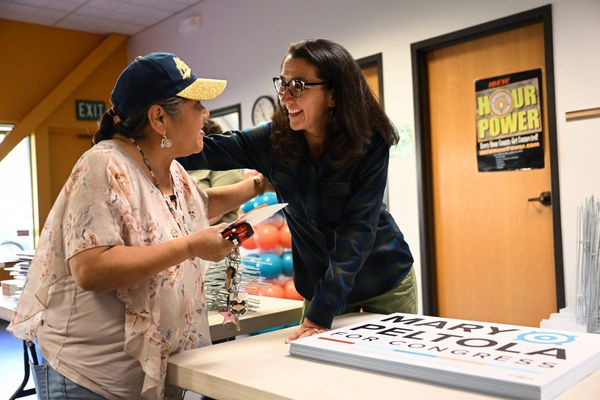
A Supreme Court ruling on mail ballot grace periods could disenfranchise thousands of Alaskan voters — and the communities most exposed are rural and Indigenous, the ones the postal system has always served worst.
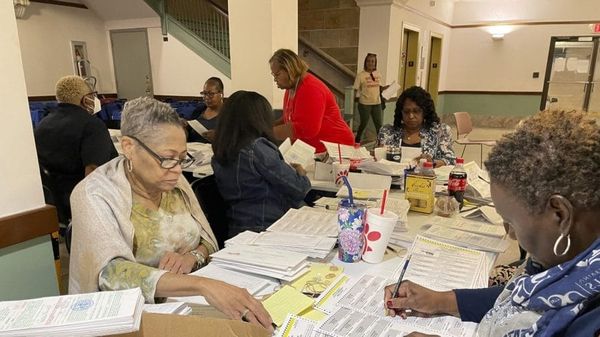
The Supreme Court could eliminate mail ballot grace periods used by 3.2 million voters in 2020, forcing states to reject ballots delayed by postal service failures beyond voters' control.