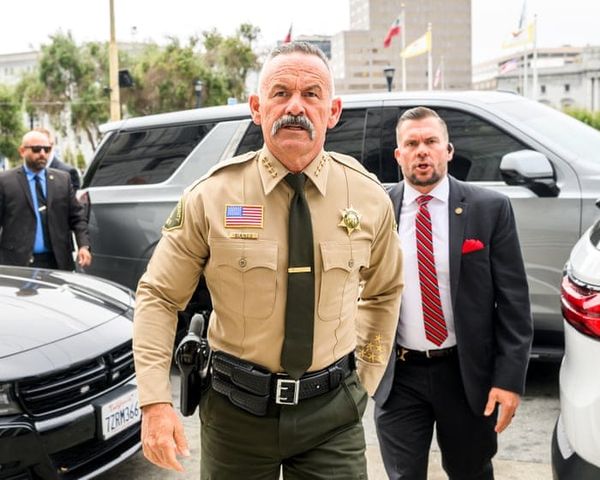
California's Supreme Court has ordered Riverside County Sheriff Chad Bianco to return more than 650,000 ballots his department seized in a voter fraud inquiry — ruling that law enforcement control over ballots is itself a threat to election integrity.
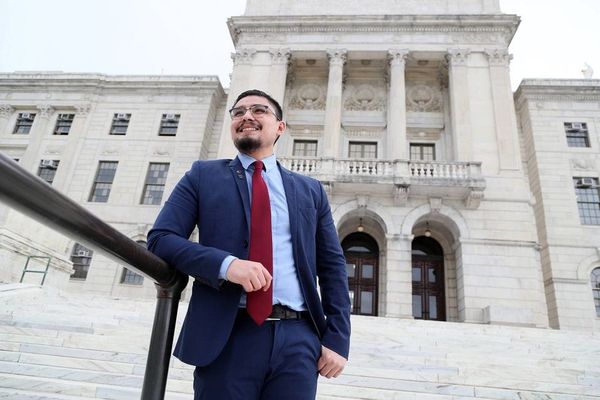
David Morales beat a sitting Providence mayor who vetoed rent stabilization. The win is the latest evidence that the democratic left's municipal strategy — target incumbents on housing, organize from the bottom up — is producing results.
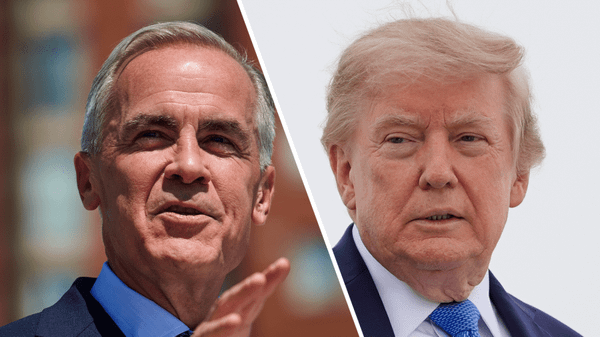
Canada's retaliatory tariffs — matching U.S. rates dollar for dollar on hundreds of American products — aren't a diplomatic abstraction. They're a tax on farmers, manufacturers, and consumers on both sides of a border that nobody voted to turn into a trade war.
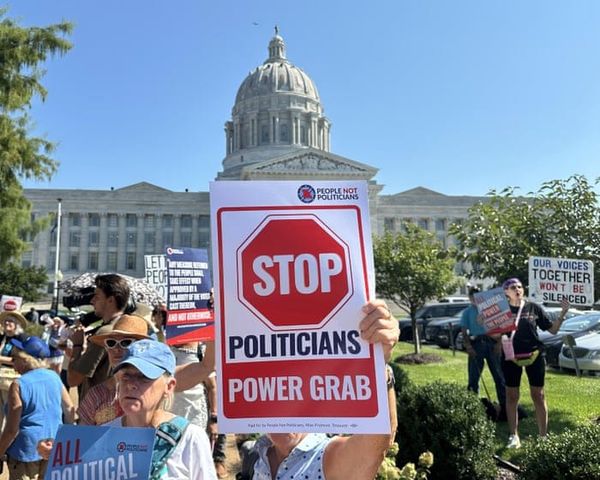
Justice Brett Kavanaugh's second block of Missouri's GOP-redrawn maps isn't a ruling against gerrymandering — it's a ruling against using courts as last-minute map-switching tools. The distinction is everything.

A new Public Citizen report finds Trump's crypto ventures — meme coin, governance tokens, and NFT trading cards — left retail investors $4.7 billion in the hole while the president collected $635 million in licensing fees on assets he acquired without investing a dollar.
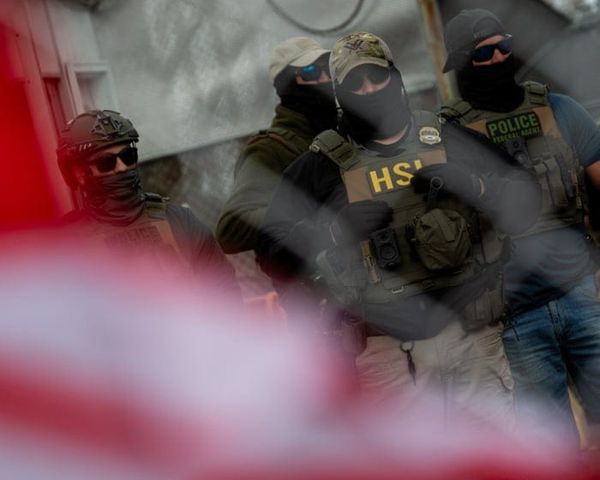
DHS is using an obscure customs law to pull phone records from journalists, nonprofits, and unions — bypassing courts that have already rejected the tactic and going directly to the platforms instead.

America's 100 lowest-wage S&P 500 corporations spent $718 billion on stock buybacks between 2019 and 2025 while their CEOs earned 614 times median worker pay — and lobbied to cut the food and healthcare programs their own employees rely on.
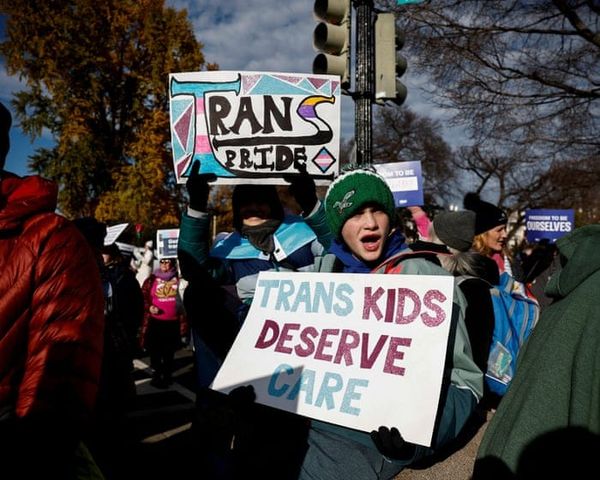
HHS published a report linking support for trans people to authoritarianism and political violence. Scientists say the methodology fails. The policy consequences — dozens of hospitals withdrawing care, a DOJ agreement with a New York hospital — are already real.

The Fifth Circuit ruled there is no constitutional right to clean water — dismissing Jackson residents' lawsuit and establishing precedent that forecloses one of the last remaining legal avenues for environmental justice claims.
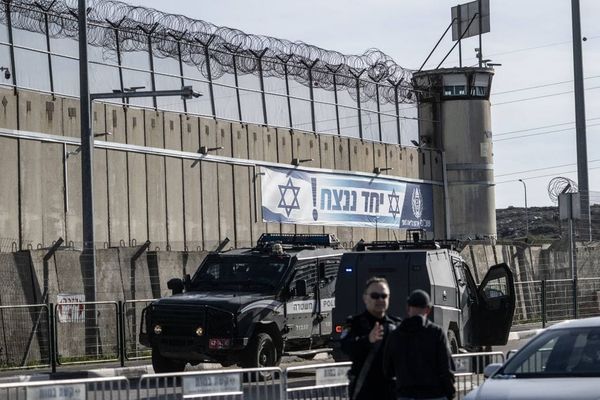
Newly surfaced texts show Israeli prison guards celebrating the deaths of Palestinian detainees they beat. Twelve guards face charges. The system that produced them faces nothing.
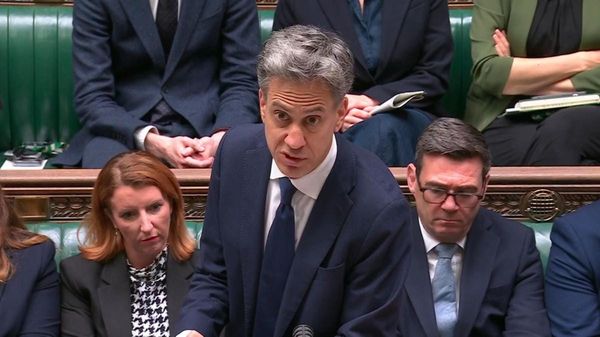
Britain's Foreign Secretary called it ethnic cleansing — and backed the word with sanctions. The U.S. has sanctioned the court officials who were investigating the same conduct. The distance between those two positions is now the story.
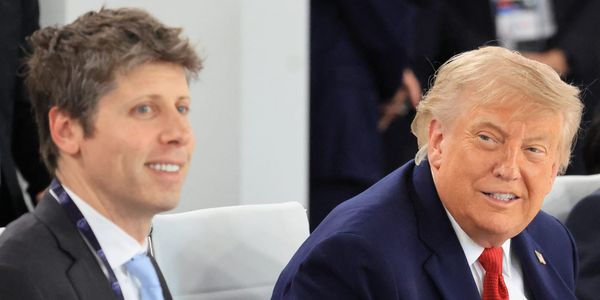
The Justice Department has filed a brief defending OpenAI's right to train on copyrighted journalism without permission or payment — choosing the AI industry over the press in a case that will determine whether independent journalism can survive the AI extraction economy.

Mayor Zohran Mamdani's new Office of Worker Power is the first municipal agency in the U.S. designed to help workers organize. It's also a direct challenge to the fiction that government is neutral in labor relations — and a template other cities have no excuse not to follow.
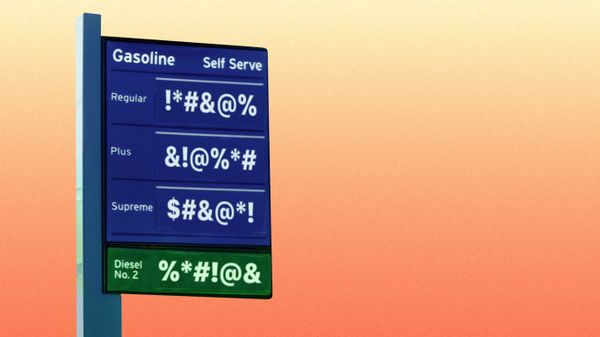
Brown University is tracking the Iran war's energy toll in real time: $100 billion and rising at $1 million every two minutes. The cost falls hardest on working families — and functions as a regressive tax nobody voted for.
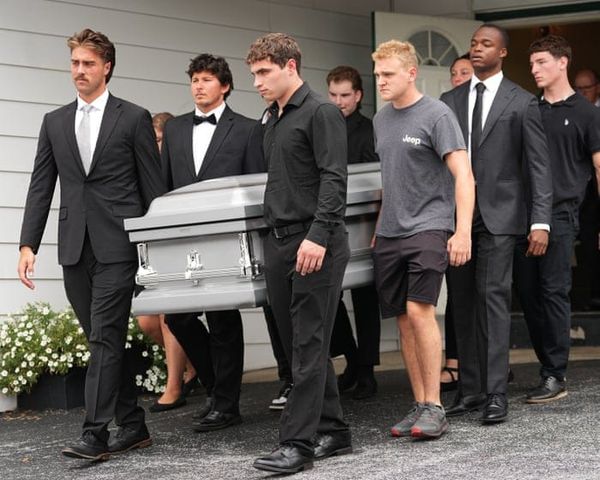
Glenwood Earl Pysher IV had his hands in the air when a Pennsylvania officer fired. The voluntary manslaughter charge filed this week isn't just a legal decision — it's a window into how American law was built to absorb police killings without calling them what they are.
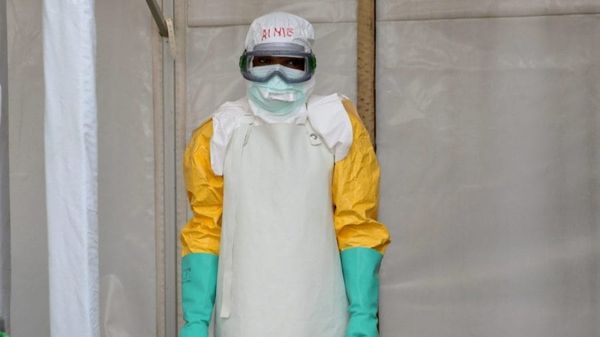
Congo's Ebola death toll has passed 3,000 in the fastest-growing outbreak in the country's history. The global health infrastructure built to prevent exactly this was dismantled by U.S. funding cuts earlier this year — and the two facts belong in the same sentence.