When the U.S. embassy in London formally objected to Britain's proposed under-16 social media ban, it was not acting as a neutral diplomatic observer. It was protecting the revenue models of American tech companies — using diplomatic infrastructure to do what lobbyists do.

A proposal to permanently integrate U.S. and Israeli AI and autonomous weapons development isn't just a policy choice — it's institutional architecture designed to make future course-correction nearly impossible, embedded in defense budget language where it can pass without a public debate about whe
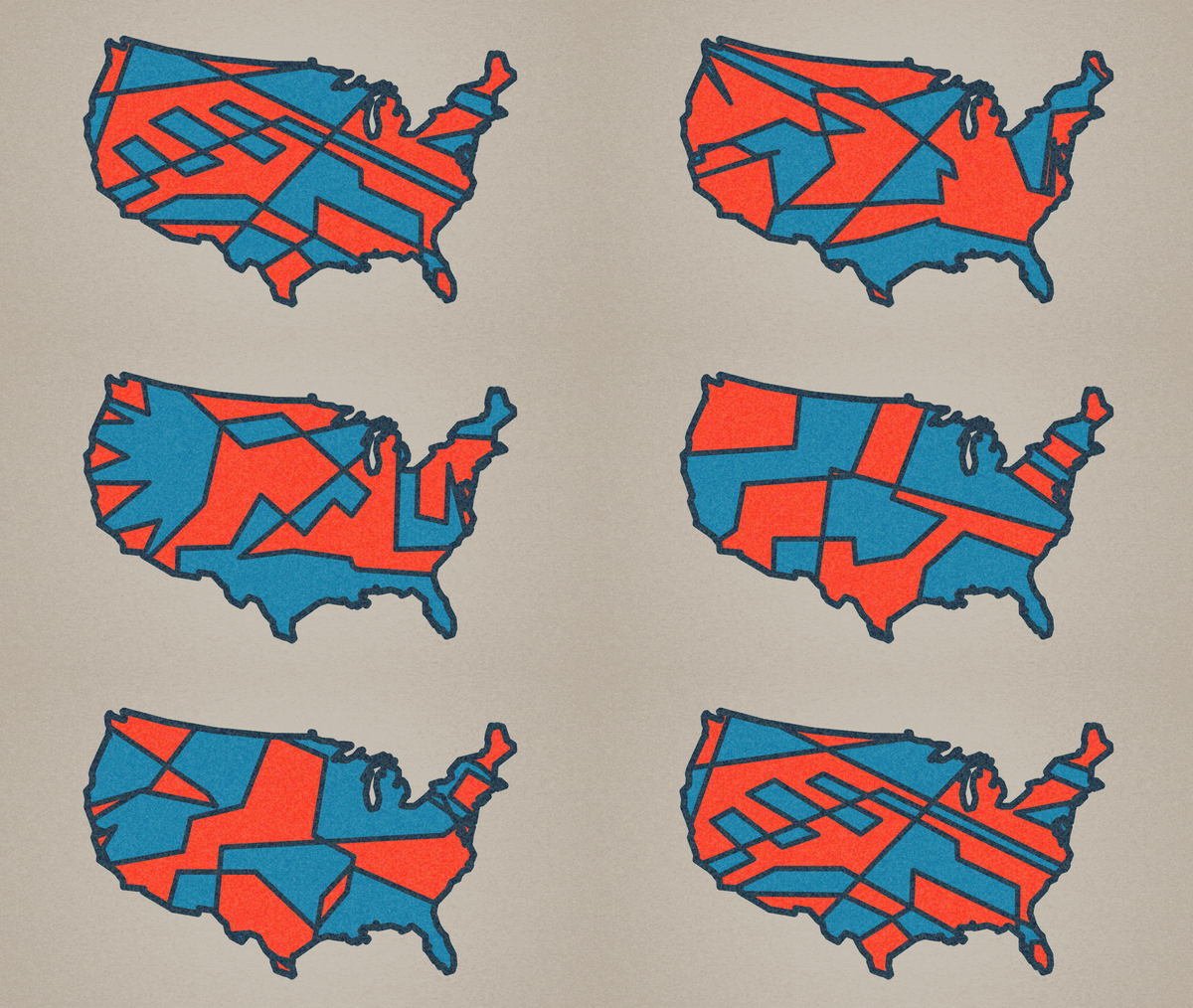
Forward Majority is spending $30 million on two dozen state legislative races this cycle — betting that eight obscure statehouse contests will determine who draws the congressional maps that shape House control through 2032. The real 2026 election is the one most voters aren't watching.
The White House is floating a government equity stake in AI giants like OpenAI and Anthropic. The companies lobbying for it are the same ones the government is supposed to regulate — and a shareholder has reasons a regulator should not have.

Families of Delaney Hall detainees describe a facility designed for invisibility — where injuries go unacknowledged, phone calls go dead, and a hunger strike is the only signal that reaches the outside world.
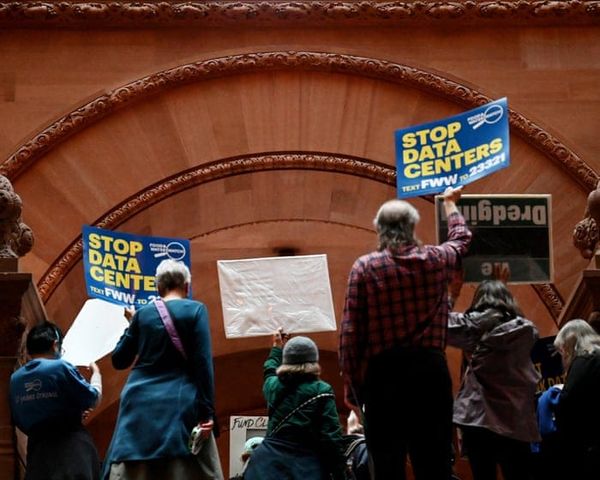
New York's legislature just passed the first state-level moratorium on hyperscale datacenter construction. Governor Hochul will decide if it becomes law — and whether democratic governments still have the power to say no to Big Tech's energy demands.

The Consumer Financial Protection Bureau deleted at least 2,200 webpages last month — consumer advisories, enforcement records, and congressional testimony dating to 2010. The deletion is not digital housekeeping. It is the erasure of an institutional record that the financial industry spent fifteen
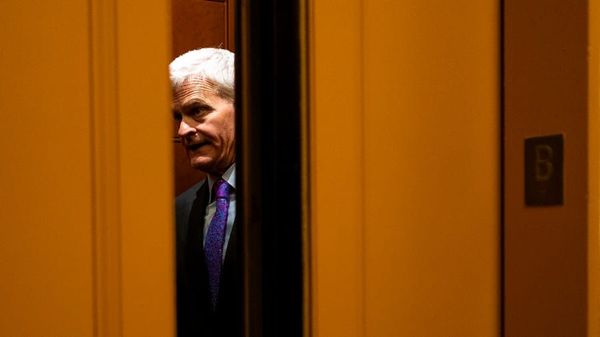
Sen. Bill Cassidy, a physician, publicly blamed RFK Jr. for the resurgence of measles and whooping cough. It is the clearest Republican accountability for a public health failure that was entirely predictable — and one senator's X post is not the same thing as a consequence.
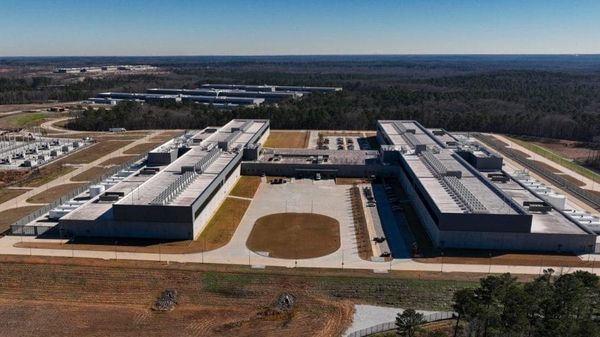
Eighty-six percent of voters in Monterey Park, California approved an outright ban on data centers — the first voter-passed prohibition in U.S. history. The AI infrastructure industry built its expansion on the assumption that communities had no real power to refuse. That assumption just failed its
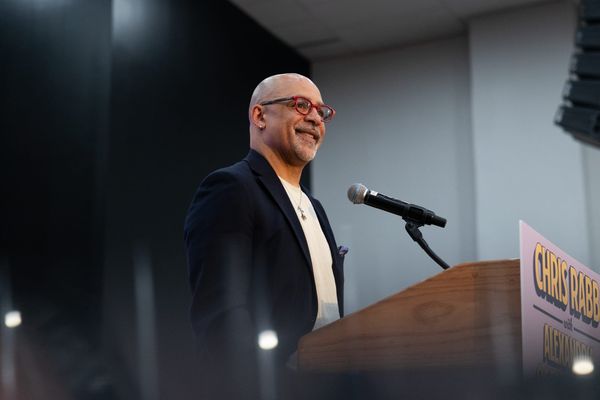
Chris Rabb, backed by the Squad, just won Pennsylvania's bluest House seat despite AIPAC's primary spending. The progressive wing is no longer the insurgency — it's the institution.
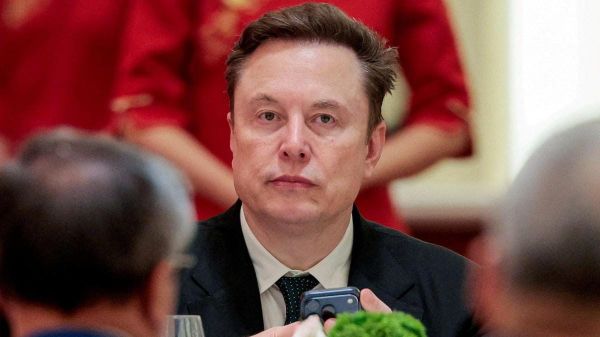
SpaceX is racing toward a stock market debut at a $1.75 trillion valuation. A significant share of that number is built on federal contracts awarded by agencies whose decisions are shaped by the company's owner — who also works inside the government.
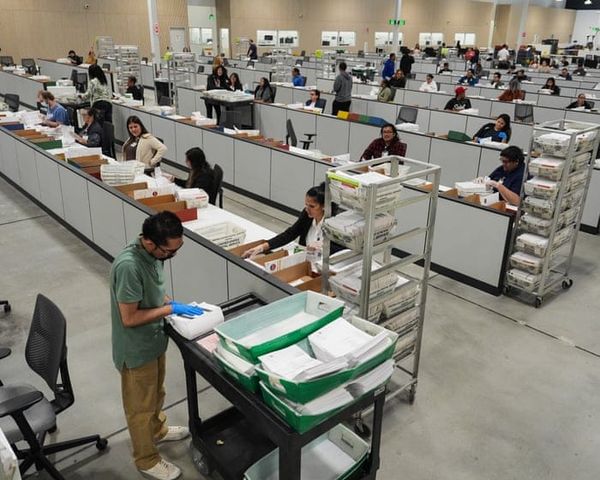
Tech billionaires lost the governor's race but won where it counts — in the down-ballot contests that control California's legislature, its regulatory agencies, and the AI policy agenda that the rest of the country is watching.

The administration is using emergency wartime authority to send $700 million to coal plants already on the industry's closure lists. The law was never designed for this — and that's precisely why it was chosen.

Brad Raffensperger's primary defeat completes a five-year project to remove every Georgia Republican who certified the 2020 election — replacing legal obligation with loyalty as the job requirement for election officials.
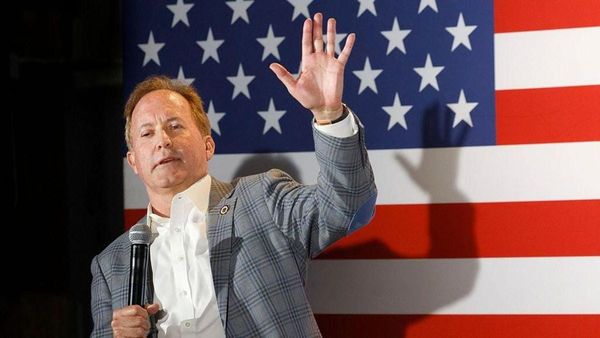
Trump's move dismayed Senate Republicans, many of whom have served with the Texan for decades.

For years, Washington condemned Beijing's artificial island-building in the South China Sea as a violation of international law. Other claimant nations watched carefully — and are now doing the same thing. The rules-based maritime order wasn't undermined by China alone. It was never enforced.