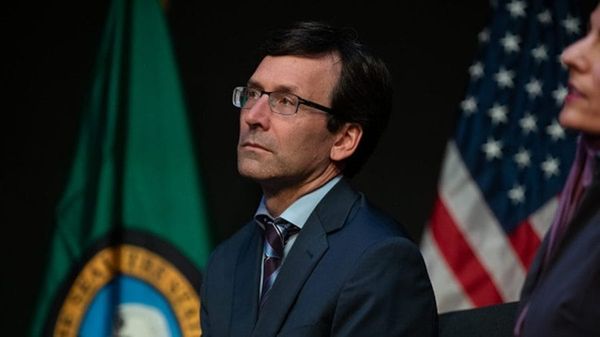
Initiative 645 has cleared Washington's signature threshold, putting the state's new millionaires tax on the November ballot. The repeal campaign reveals how organized wealth uses direct democracy as a veto on redistributive legislation.
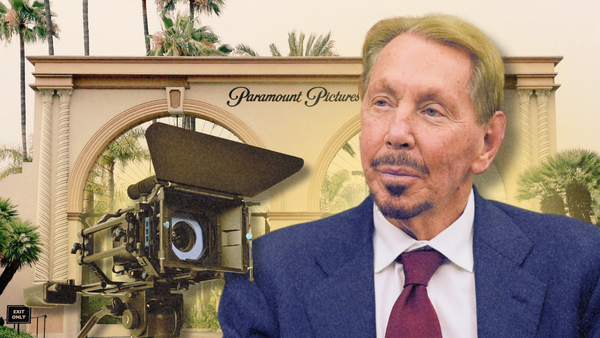
Twelve state attorneys general are suing to block the Warner Bros.-Paramount merger after the Trump administration waved it through. The case is a direct indictment of how federal antitrust enforcement is being selectively applied.

The company suspected in a cyclospora outbreak gave $2.2 million to GOP infrastructure — including $1 million to a Trump-aligned PAC days after the administration delayed the food tracing rule it would have been required to follow. Thousands are now sick.
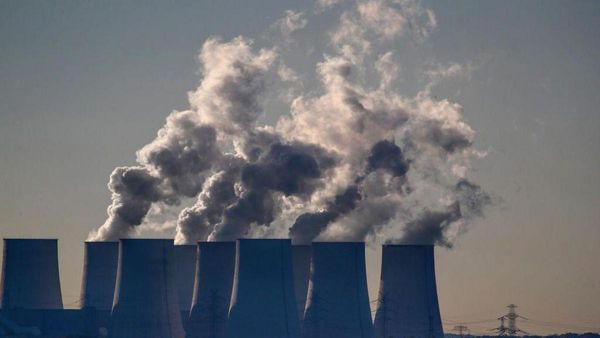
The EU's proposed relaxation of its emissions trading system follows a two-decade pattern: carbon markets are weakened precisely when they start to work. Corporate lobbying didn't kill European climate policy — it just keeps making it slower.
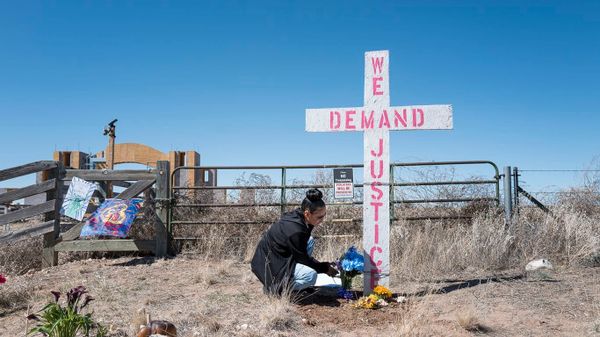
New Mexico AG Raúl Torrez says the DOJ is withholding unredacted Epstein files from the only active criminal investigation into his network. The federal government says it's following the law. The deadline to explain that position expires July 31.
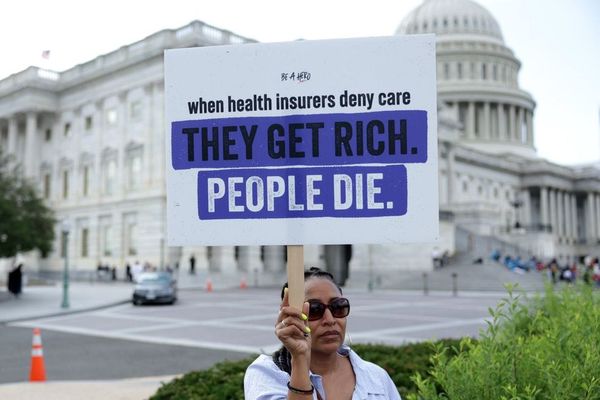
A 50-46 party-line Senate vote preserved the Trump administration's AI-driven Medicare coverage review program. Every Republican voted to keep algorithms — operated by private contractors — between seniors and their care.
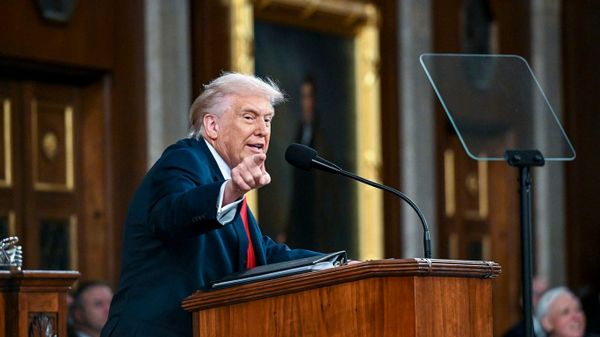
A White House teleprompter operator allegedly used advance knowledge of Trump's speeches to win more than $100,000 on prediction markets. The CFTC is investigating — and the case exposes a structural vulnerability the industry's self-regulatory claims cannot explain away.
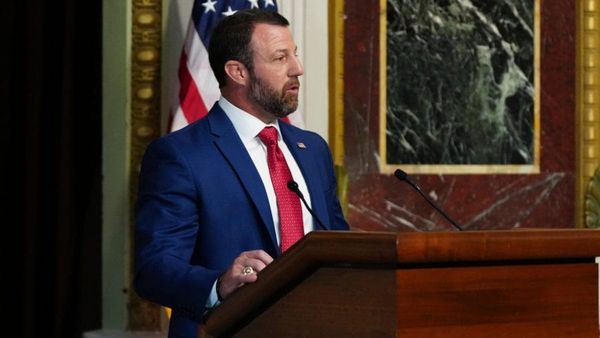
A new DHS rule cuts foreign journalist visas to 240 days and imposes stricter limits on Chinese reporters. The policy doesn't ban coverage — it makes sustained accountability journalism operationally impossible for a targeted class of reporters, while giving the government plausible deniability abou
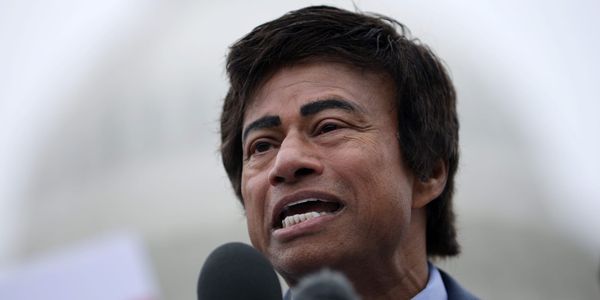
Two-thirds of Rep. Shri Thanedar's campaign cash came through AIPAC bundlers, according to The Intercept — a financial architecture that makes his $600K crypto loss secondary to the deeper question of whose interests a 67-percent-AIPAC-funded congressman actually represents.
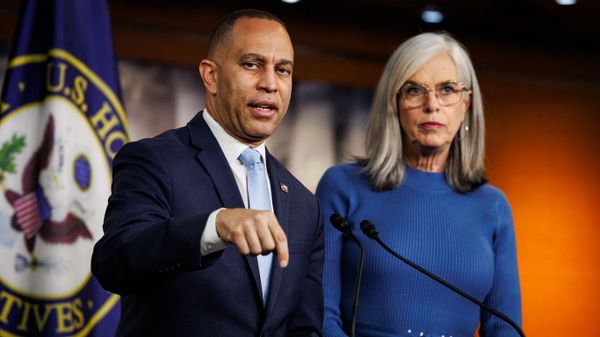
The split between Hakeem Jeffries and Katherine Clark on the Massie Israel aid amendment is the news. The bigger story is that House Democratic leadership no longer has the institutional capacity to hold a coherent position on Israel — and has no policy alternative to offer.

A contractor building Meta's AI datacenter flushed bacteria-contaminated water into Cheyenne's public sewers. The city rewrote its rules after. That sequence — violation first, regulation second — is exactly how the AI infrastructure boom is managing its environmental costs.
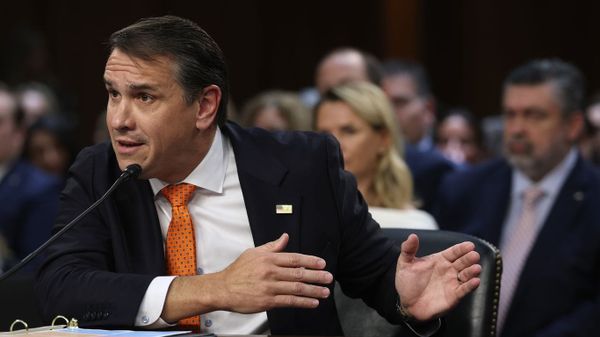
Todd Blanche's refusal to rule out armed federal agents at polling places isn't ambiguity — it's a roadmap. The administration has already deployed agents near voting sites in Texas and California. The only thing standing between that precedent and November is a set of pending lawsuits.
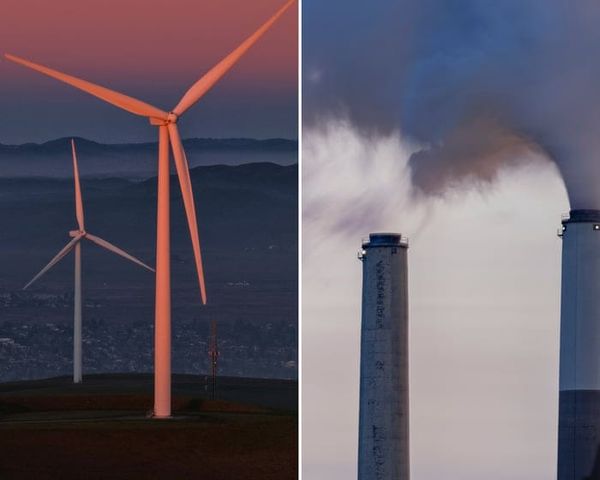
The Trump administration has spent $3.825 billion in taxpayer money propping up coal plants the market had already condemned — and working Americans are paying higher energy bills to cover the debt.
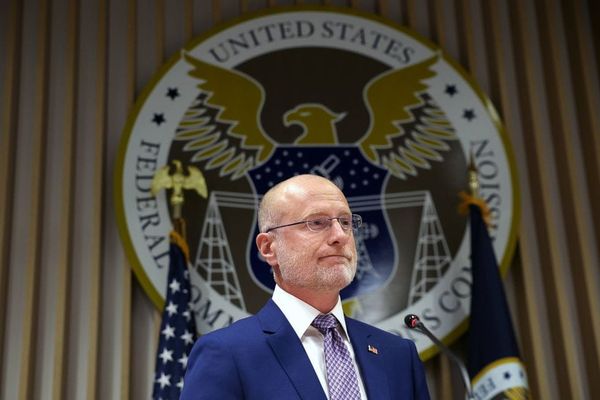
FCC Chair Brendan Carr is moving to eliminate a TV ownership cap that Congress wrote into law specifically to stop the FCC from changing it. The companies positioned to benefit are already in the middle of a federal lawsuit over the same rule.
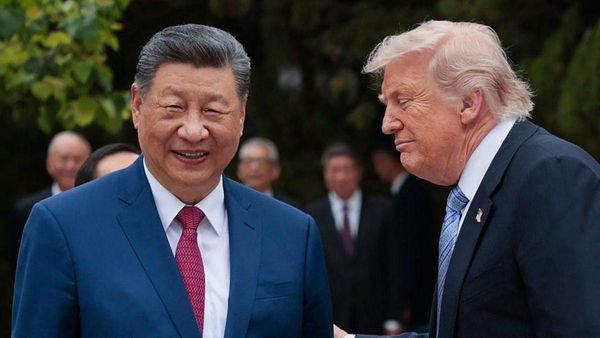
A new Pew Research Center survey finds more people worldwide now trust China over the United States. The story isn't the numbers — it's what produced them, and why a change in administration won't automatically reverse them.
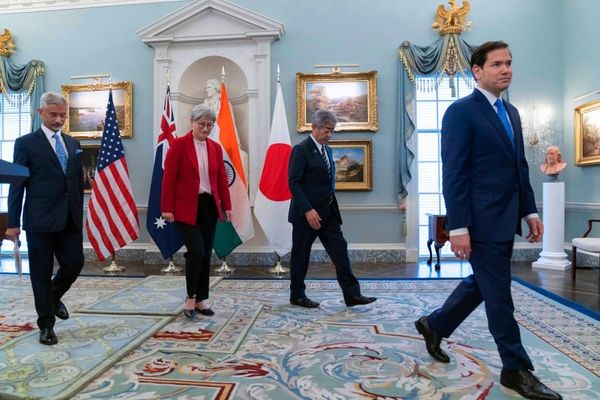
The Pentagon's retreat from its Indo-Pacific framework isn't a pivot forced by Beijing — it's an admission that the strategy was always more rhetoric than reality, exposed by a war Washington chose to fight.