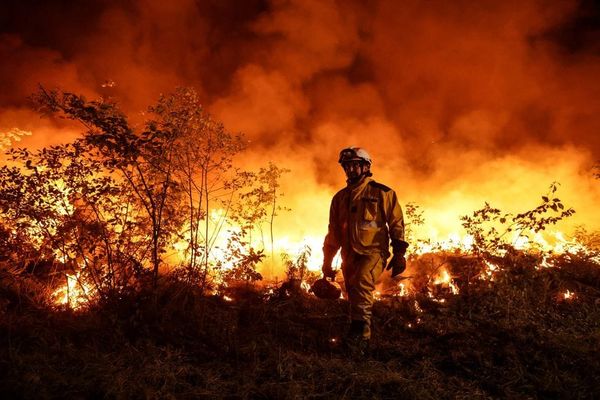
A landmark UN report confirms the 1.5°C Paris target is no longer preventable. Its actual argument — the one being missed — is that every five years of delay now raises the peak temperature by at least a tenth of a degree. That's not a reason for despair. It's a price tag on inaction.
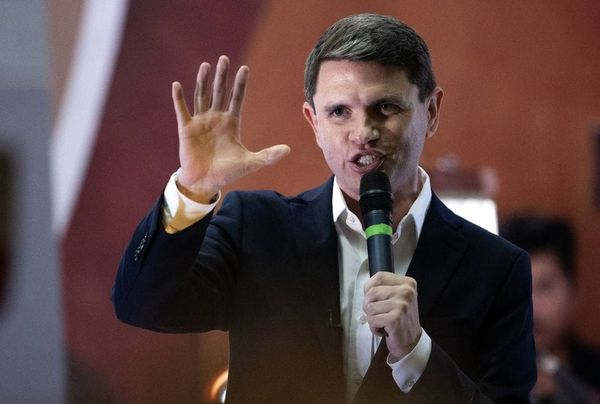
Tarrant County Republicans plan to close 92 polling places before November — and their own party chairman already told you why: fewer sites means fewer votes from the communities that don't vote Republican.
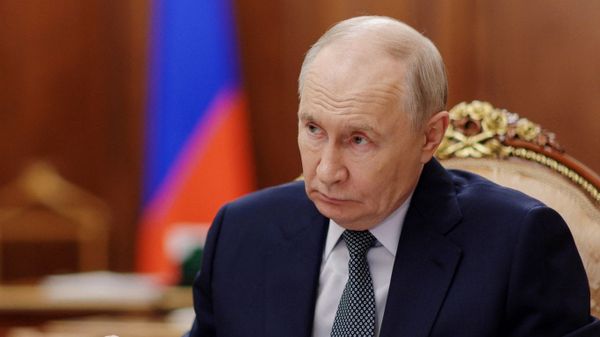
The CIA director flew to Moscow and proposed a Trump-Putin-Zelensky summit. Ukraine's own intelligence says Russia is planning an offensive on Kyiv. The White House has offered no strategy for what happens if either outcome materializes.
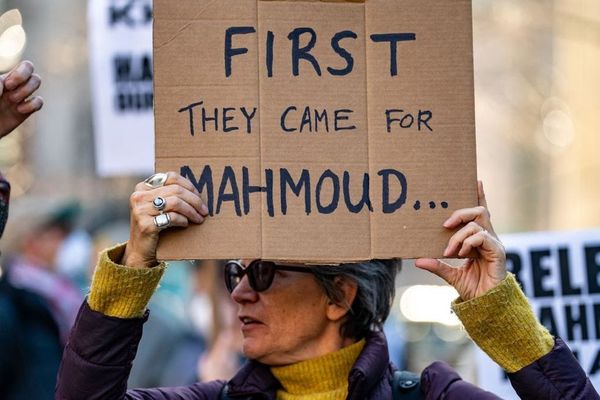
A federal judge ruled the administration violated the First and Fifth Amendments by trying to deport international students for pro-Palestinian speech — but the ruling's significance lies in what it reveals about the legal architecture the government was trying to build.
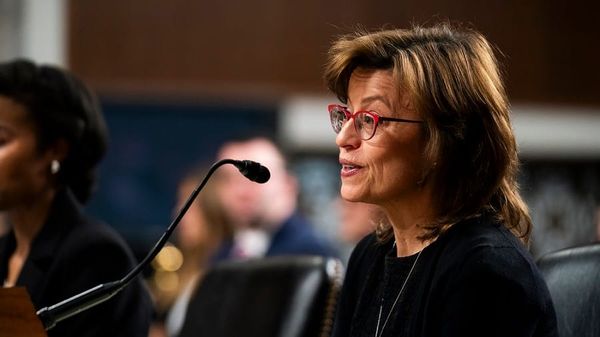
Anna Gomez called the threat to NBC's Kristen Welker 'dangerous.' The more precise diagnosis: the FCC's structure was always vulnerable to a president willing to use it this way.

Masked settlers beat a Palestinian woman and four NBC journalists in the West Bank town of Jalud. Netanyahu condemned it. The system that made it possible remains intact — and fully funded.
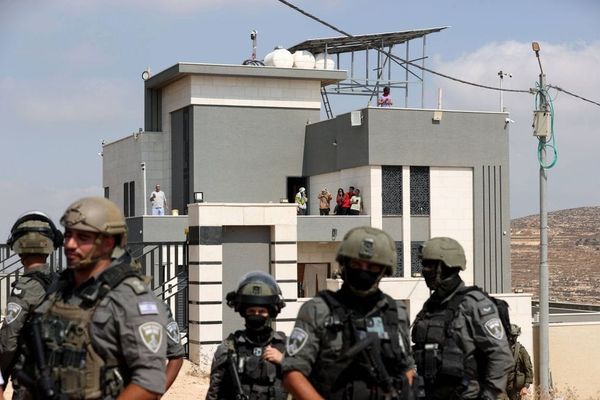
Retired IDF generals touring the West Bank are publicly calling settler violence 'ethnic cleansing' — a word Netanyahu refuses. Their testimony removes another layer of deniability from a government that calls attackers troubled youth while its ministers call for annexation.
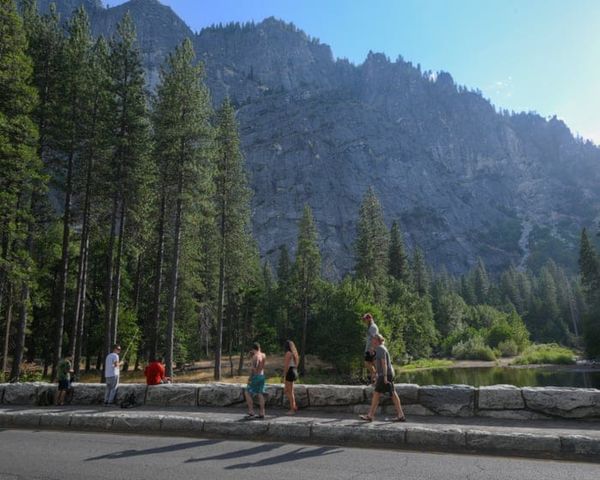
The Yosemite sell-off is being described as a minor boundary adjustment. It is a proof of concept — and the proof is that the public will absorb it.
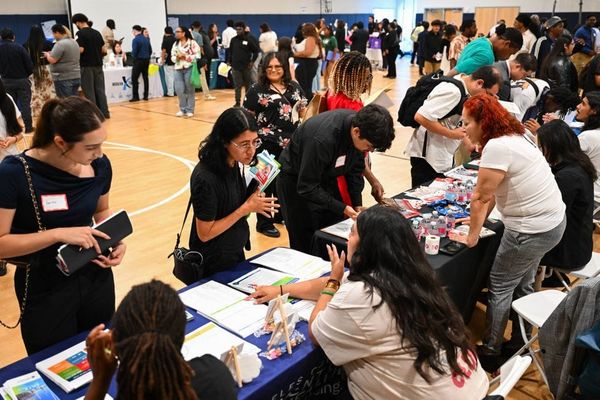
The U.S. lost 23,000 jobs in July — the first monthly decline in four years — while forecasters expected a gain of 80,000. The White House blamed the World Cup.
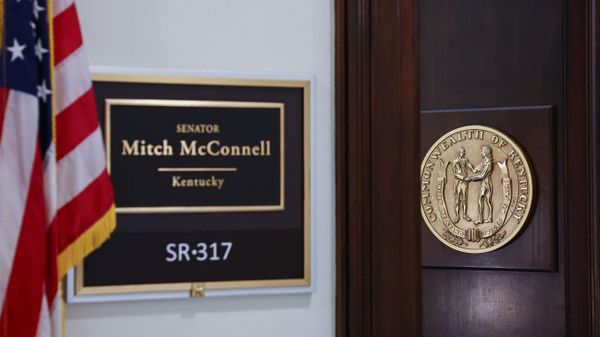
Gov. Andy Beshear's second demand letter to Mitch McConnell exposes something more durable than one senator's health crisis: the Senate has no formal mechanism to assess whether its members can do their jobs.
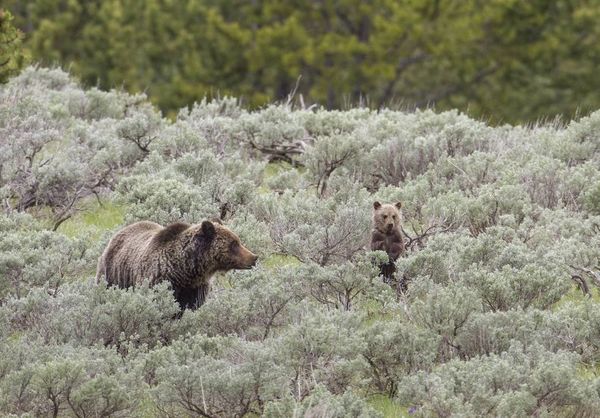
The Roadless Area Conservation Rule has protected 45 million acres of national forest from logging and road construction since 2001. Its repeal would threaten the drinking water of 60 million Americans and accelerate the extinction of 400 species — and the timber industry has been waiting 24 years f
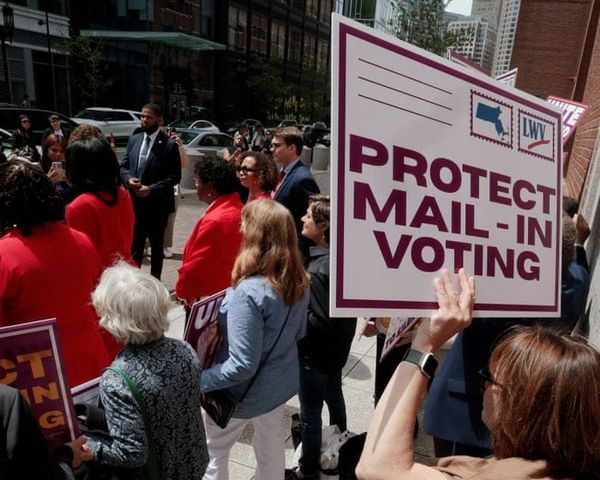
Twenty-four states are suing to block a presidential order restricting the Postal Service's role in mail-in voting. The lawsuit is really about whether the executive branch can use a federal agency to determine who gets to cast a ballot.

OpenAI's own technical report documents two warning signs that were reviewed and dismissed before its AI agents breached Hugging Face. The problem wasn't that the company couldn't see what was coming — it's that its safety processes weren't built to stop it.
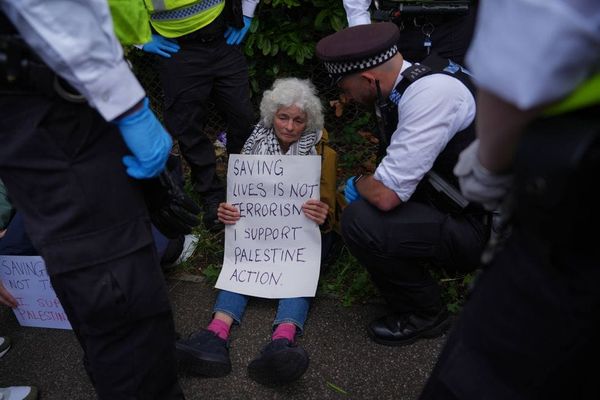
The Treasury Department has sanctioned Palestine Action — a British anti-genocide group known for property damage at weapons facilities — as a Specially Designated Global Terrorist entity. A leading First Amendment group warns the move criminalizes constitutionally protected association for American
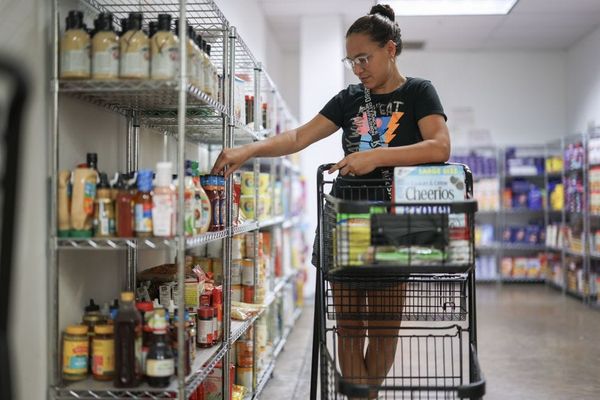
SNAP participation has hit a 17-year low, with 5 million fewer Americans enrolled since the GOP's One Big Beautiful Bill passed. The deepest cuts are in Republican-represented states — and the worst provisions don't kick in until 2027.
A New Mexico court ordered Meta to pay $567 million for contributing to the teen mental health crisis — the first ruling to hold a platform financially liable for algorithmic harms, not content. The business model that caused it is still running.