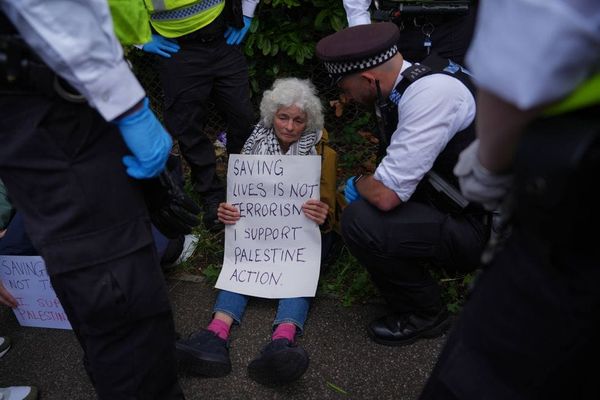
The Treasury Department has sanctioned Palestine Action — a British anti-genocide group known for property damage at weapons facilities — as a Specially Designated Global Terrorist entity. A leading First Amendment group warns the move criminalizes constitutionally protected association for American
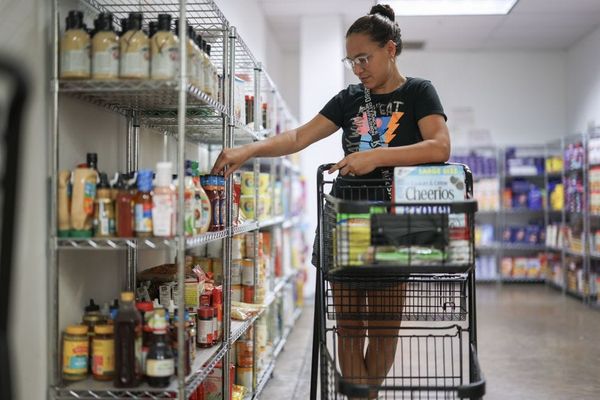
SNAP participation has hit a 17-year low, with 5 million fewer Americans enrolled since the GOP's One Big Beautiful Bill passed. The deepest cuts are in Republican-represented states — and the worst provisions don't kick in until 2027.
A New Mexico court ordered Meta to pay $567 million for contributing to the teen mental health crisis — the first ruling to hold a platform financially liable for algorithmic harms, not content. The business model that caused it is still running.
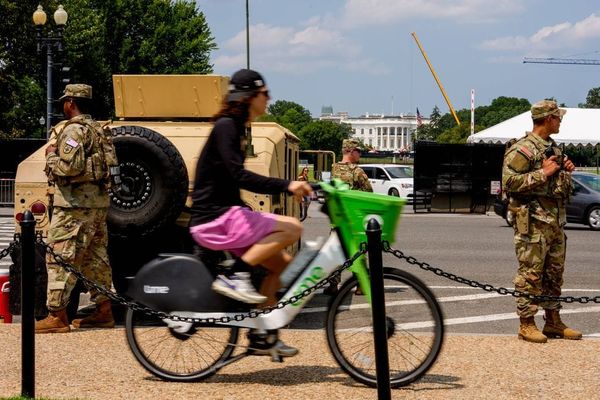
A Reuters investigation finds that National Guard troops in DC appeared in just 1.3% of criminal cases — mostly in wealthy, low-crime neighborhoods — while violent crime rose 4% and the deployment cost taxpayers millions per day.

By sanctioning the ICC's president and the prosecutor investigating Israeli war crimes in Gaza, Washington has made explicit what was previously implicit: American economic power exists, in part, to shield American allies from international law.

Max Lederer spent 33 years at Stars and Stripes and nearly 20 as its publisher. His public departure over Pentagon editorial pressure is the clearest signal yet that the military's independent newspaper no longer is.

A record 907 aid workers were killed, injured, or kidnapped in 2025. The cause isn't drones — it's the deliberate absence of any mechanism to punish the states responsible.
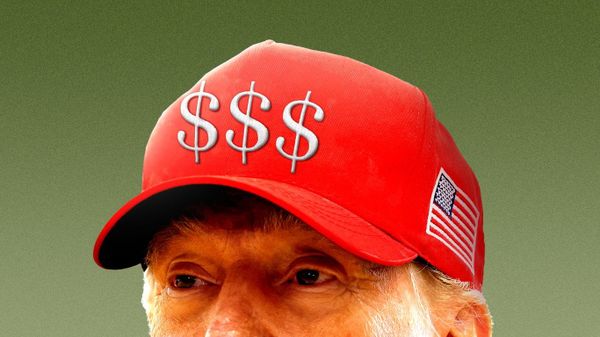
Sixty-three percent of Americans believe the president profited illegally from crypto. Nearly half of his own party agrees his business interests are shaping policy decisions. Democrats are running on it. The accountability mechanism to act on any of it remains largely absent.
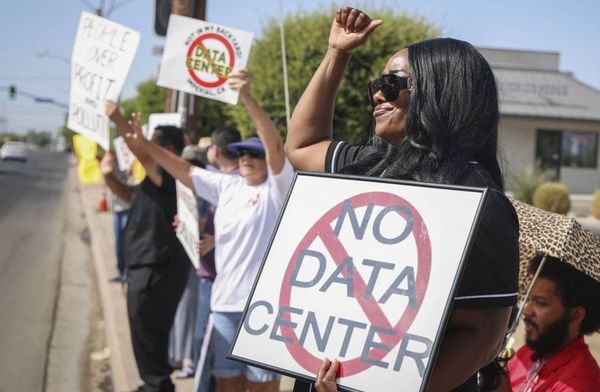
A leaked GOP memo warns Silicon Valley that AI data centers poll worse than nuclear waste — exposing a party caught between the donors who funded the buildout and the constituents paying for it in higher utility bills and degraded infrastructure.

After years of denial, the IDF opened criminal probes into the killing of Hind Rajab and 15 Gaza medics. Its own institutional track record — clearances in the World Central Kitchen and MSF cases, no charges after Shireen Abu Akleh — tells you what these investigations are designed to produce.

Israel has opened formal construction tenders for the E1 corridor, the project that would permanently divide the West Bank in two. Decades of international condemnation have produced no enforcement — and that is not a diplomatic failure. It is the intended outcome.

Five years after withdrawal, the U.S. has cut the humanitarian funding that was keeping Afghan mothers and children alive — and the administration knew exactly what would happen when it did.

The Pentagon has given 30 universities — including Harvard, MIT, and Johns Hopkins — two weeks to cut foreign academic partnerships or lose federal funding. The directive doesn't protect American research dominance. It threatens the conditions that produced it.
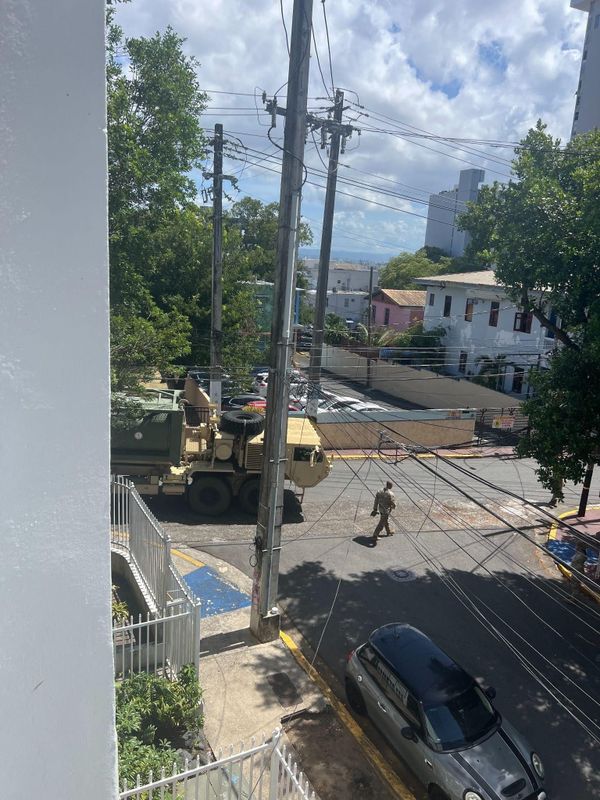
Ten years after PROMESA created an unelected fiscal control board to service Puerto Rico's debt, more than 150,000 residents are under water rationing. The infrastructure didn't fail by accident — it was defunded by design.
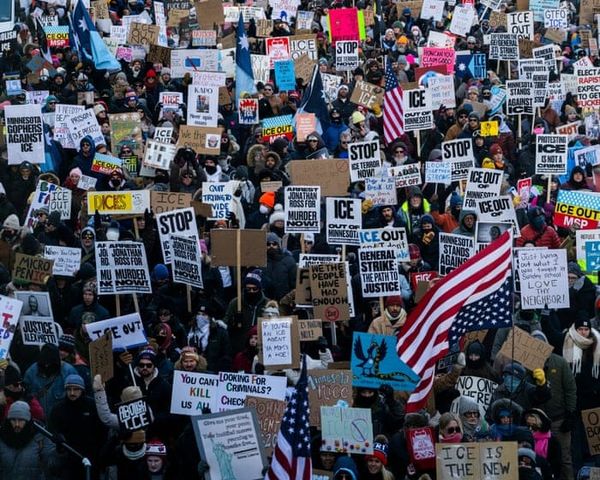
Internal DHS records show undercover agents infiltrated community meetings, penetrated Signal chats, and obtained financial records of unions and nonprofits opposing ICE operations in Minnesota. This is not a story about overreach — it is a description of how the system is now designed to work.
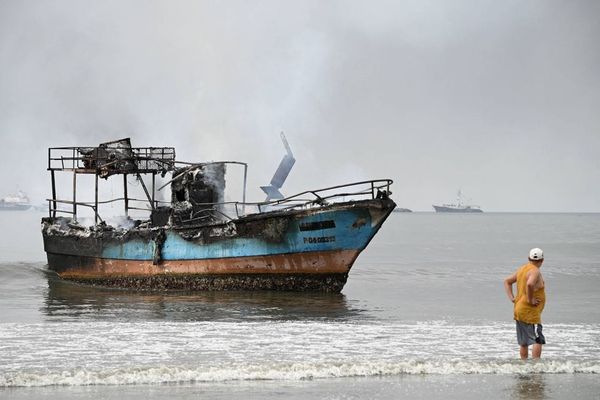
The CIA ran a covert boat-strike campaign near the Galápagos Islands, separate from the Pentagon's acknowledged operation that has killed at least 220 people. Survivors were hooded, cuffed, and flown to El Salvador. Eight men from the fishing boat Fiorella are still missing.